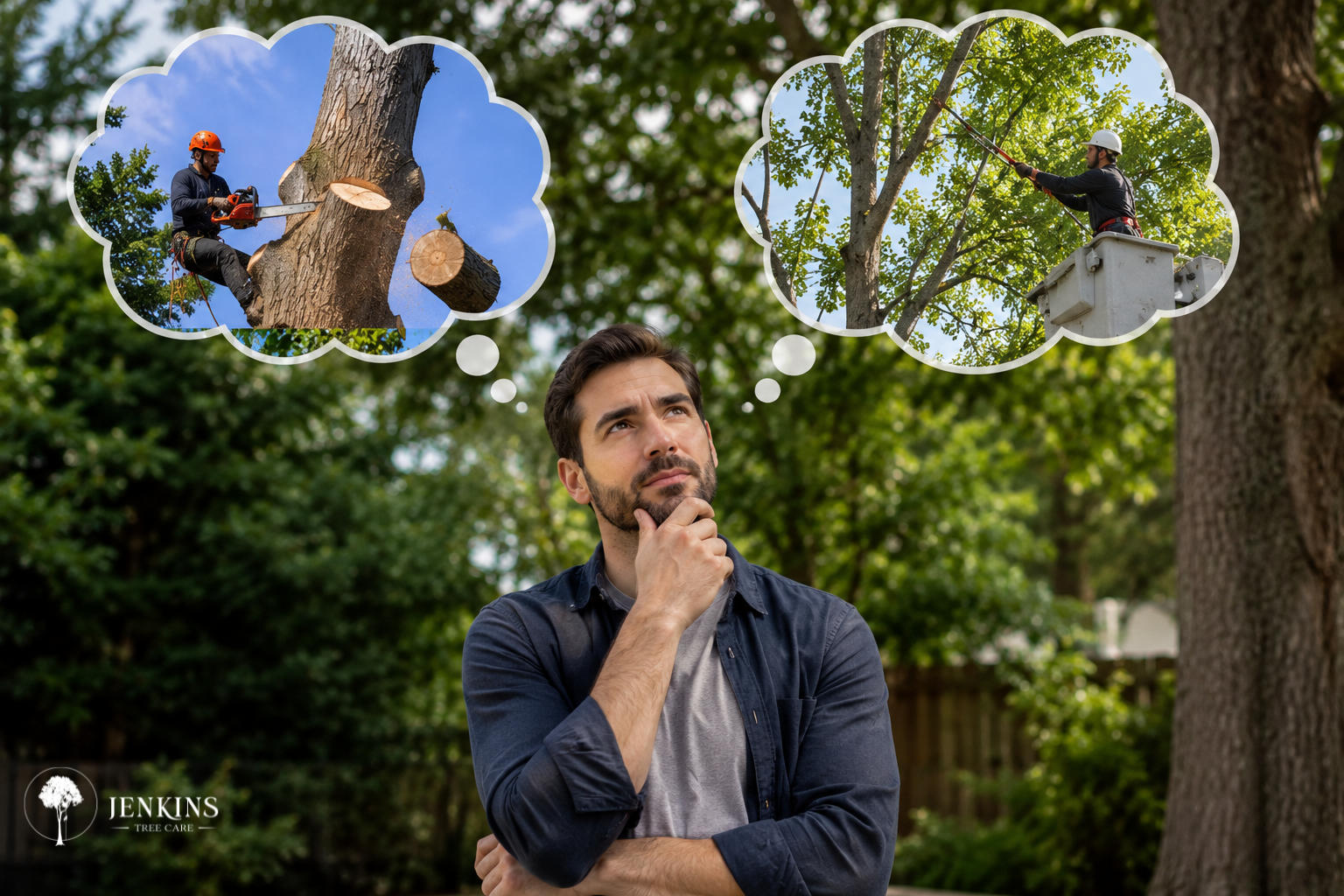
Trying to decide whether to trim or remove a tree can feel overwhelming. Making the right call can help protect your home, boost your curb appeal, and keep you from spending money on storm damage. But choosing wrong might leave you with a risky tree or result in removing one that could have been saved.
If you're in Asheville, NC, and need reliable tree services, it all starts with a good inspection. Sometimes, a tree just needs a little trimming. Other times, taking it down is the safest bet. This guide will help you spot the signs and make the best decision for your property.
Tree care is part of a bigger movement in urban forestry. Cities everywhere, including Asheville, are realizing the value of healthy tree canopies for safer, sustainable environments. The City of Asheville, for example, is committed to maintaining its trees and removing those that pose a risk. You can check out their approach on the city's tree services page.
Understanding the Difference Between Trimming, Pruning, and Removal
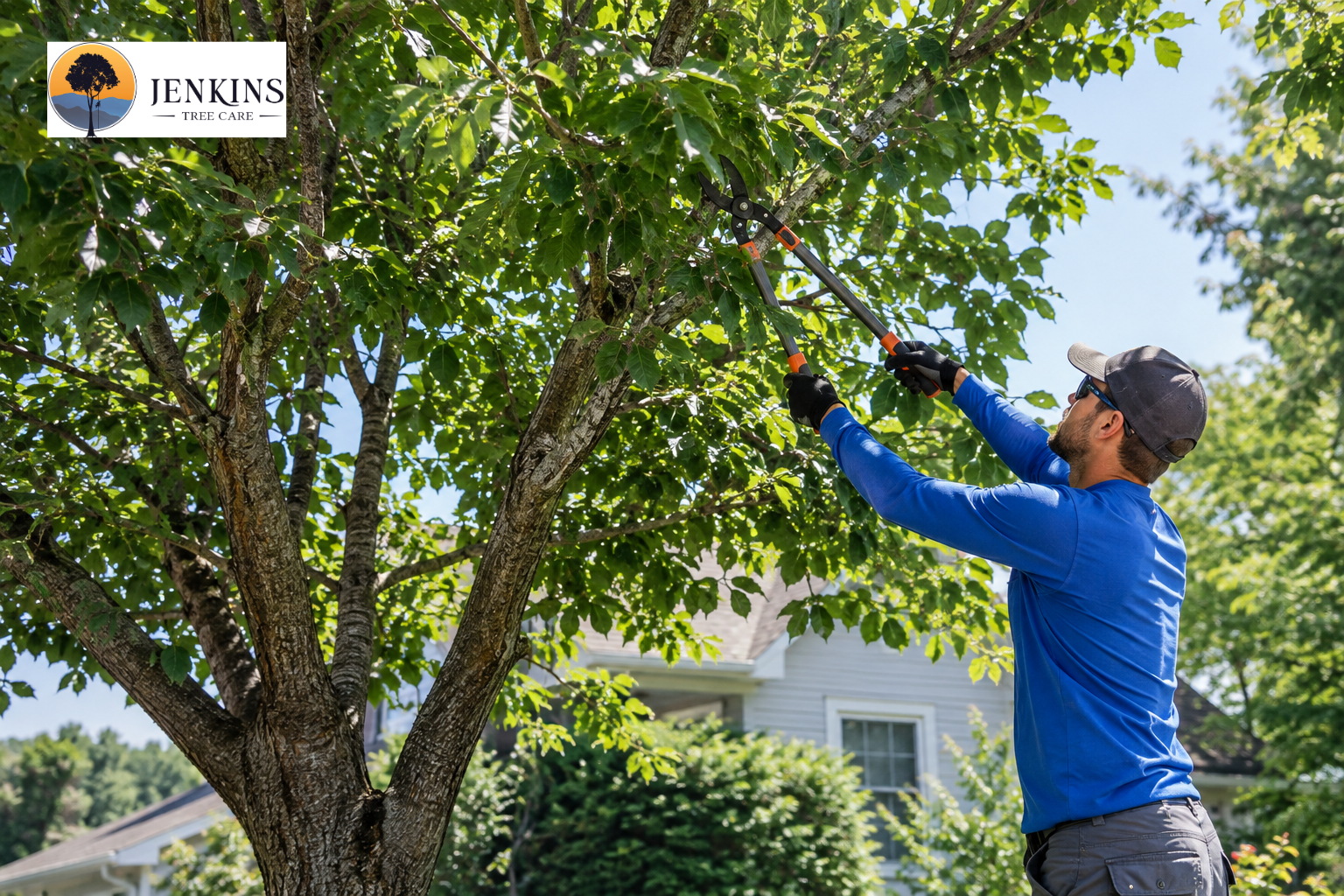
Tree trimming for shape and safety.
Trimming is all about managing overgrowth, clearing branches from roofs or power lines, and improving the tree's shape. It’s a great option for healthy trees that need a little tidying up. Trimming also lightens the load on branches, reducing the risk of breakage during storms.
If a tree is healthy but growing wild, blocking light, or getting too close to your house, trimming might be all it needs. With proper trimming, you can keep your trees in great shape for years to come.
Pruning for long-term health
Pruning is more targeted than trimming. It involves cutting away dead or damaged branches to promote better growth. Though the terms are often mixed up, pruning is more about health. A well-pruned tree has stronger branches, better airflow, and less decay risk.
Pruning is especially beneficial for young trees, helping them grow strong and avoid future problems. If you're looking to keep your trees healthy long-term, pruning is often a better choice than removing them.
Tree removal as a last resort
Sometimes a tree has to go. This might be because it’s dead, severely diseased, or structurally unsound. Damage to the roots or trunk can make a tree unsafe, posing a risk to people and property around it.
Though losing a mature tree can be tough, sometimes it’s necessary to remove it to ensure safety and make room for new growth or landscaping. Always consult a professional before making this decision. A qualified arborist can help evaluate the situation and recommend whether removal is the best option.
Signs Your Tree Can Be Trimmed Instead of Removed
Look for dead or crowded branches.
If your tree is healthy but has a few dead limbs or crowded branches, trimming might be enough. These issues are common and usually fixable. Removing problematic branches can prevent pests and disease without harming the tree’s structure.
Regular trimming can also help restore shape to trees that have been neglected. Often, homeowners only notice a tree needs attention when it starts encroaching on the house or blocking paths. This doesn't mean it's doomed; it likely just needs some maintenance.
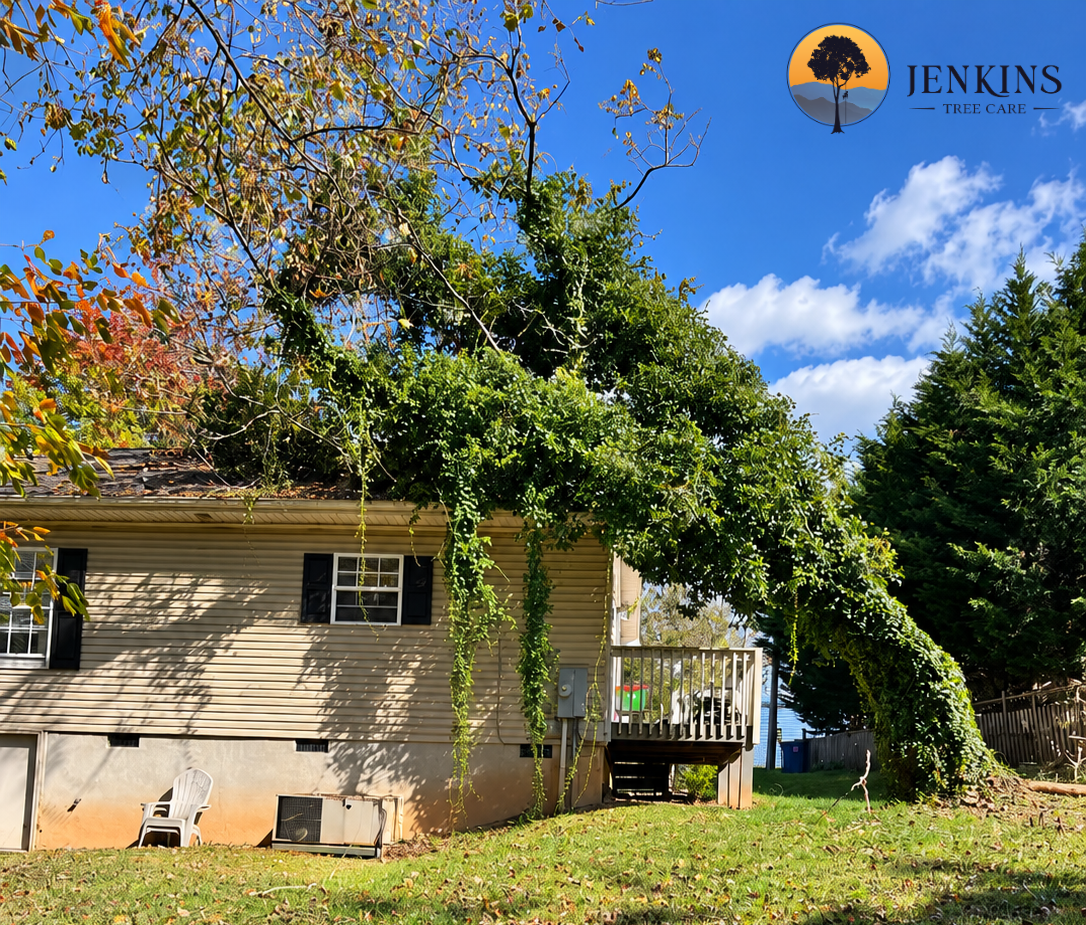
Branches are too close to structures or walkways.
Overhanging branches can be annoying, especially when they scrape roofs or block sidewalks. Trimming can help solve these problems while keeping the tree’s natural form.
A pro assessment is key here. Cutting too much can stress a tree, but trimming the right branches can extend its life. If your tree is healthy but growing into structures, selective trimming is often the solution.
The tree has a strong structure and healthy leaves
Healthy leaves, solid bark, and strong branches suggest a tree is worth saving. If the trunk is stable and the roots aren't declining, trimming might be all it needs. Trees that respond well to pruning can thrive for years.
Warning Signs That Tree Removal May Be Necessary
Watch for decay or hollowing.
Decay in the trunk, large cavities, or fungal growth are serious signs. While some decay can be managed, extensive damage often means the tree can't stand safely. Mushrooms on the roots or trunk can also indicate internal decline.
At this stage, trimming might improve appearance temporarily, but it won't address structural failures. An arborist can use visual inspections and advanced tools to decide if the tree can be saved. If not, removal is often the safest option.
Root issues can destabilize a tree.
Roots anchor the tree, and damage from construction, soil compaction, or disease can compromise stability. Leaning trees aren’t always dangerous, but a sudden lean, soil heaving, or cracking ground can signal a problem. Compromised roots may fail unexpectedly during severe weather.
These issues aren't always visible, so professional evaluation is crucial. A tree might look fine, but hide significant instability. If root failure is suspected, removal is usually safer than repeated trimming.
Storm damage might leave no safe recovery path.
After a storm, some trees can recover with cleanup or pruning, but others are too damaged. Major trunk fractures or severe canopy loss can mean the tree's structure is permanently compromised.
For immediate hazards, brush removal and cleanup can make a property safer while a full assessment is completed. Check out the National Weather Service for guidance on handling storm-damaged trees.
How Arborists Decide Between Trimming and Removal
They assess health, structure, and location.
Certified arborists look beyond the tree's appearance. They evaluate the trunk, roots, branches, and how close it is to buildings or busy areas. A good-looking tree might still pose risks if it has structural issues.
That's why certified arborist services are becoming more common. Homeowners are increasingly seeking expert evaluations before making major decisions. This trend aligns with the growing interest in tree cabling to support valuable trees.
They weigh risk against preservation value.
Not every problem tree needs to come down. Arborists often weigh the tree’s value against the risk it presents. A large, mature tree in a safe spot might be worth preserving with pruning or support. However, a tree with a high failure risk near a home might need removal, even if it’s still alive.
They follow local regulations and urban forestry goals
In cities with active urban forestry programs, tree work often has to comply with local rules and community goals. Asheville’s efforts to maintain its urban forest highlight the importance of balancing tree cover with safety. This is part of a larger conversation about stewardship and sustainability, as seen in BPR News.
Cost, Value, and the Real-World Impact of the Decision
Tree service costs vary.
The cost of trimming or removal depends on the tree's size, health, and risk level. In Asheville, average costs range from $500 to $3500, but this can vary. A simple trim is different from removing a large, storm-damaged tree near a house.
While cost matters, the cheapest option isn't always the best. Proper assessment can prevent higher costs later if a damaged tree fails or if improper trimming weakens it. A good estimate should include cleanup and any special equipment needed.
Preserving a tree can add property value.
Healthy trees can boost curb appeal, provide shade, and help with energy savings. They also make landscapes feel established and welcoming. In many neighborhoods, trees are a big part of a home’s identity.
That’s why trimming makes sense when the tree is sound. Instead of removing a tree that can be maintained, you can keep the shade and beauty while avoiding unnecessary disruption. Regular maintenance is often the most cost-effective strategy.
Removal may save money in the long run.
Removing a tree can feel expensive, but it might save on risks, emergency calls, and repairs. A tree with frequent limb failures or root issues can become a recurring problem. In those cases, removal is often cheaper than dealing with the same hazard repeatedly.
This is especially true if a tree threatens a roof, utility line, or parking area. Repeated cleanup and safety concerns can quickly exceed the cost of removal. When a tree is no longer viable, acting decisively usually protects both your budget and property.
What to Do Before You Make the Final Decision
Schedule a professional inspection.
Your first step should be a professional evaluation. An experienced arborist can spot issues you might miss, like hidden decay or root instability, and give a clear recommendation: trim, prune, support, or remove.
If you’re unsure which service to choose, a trusted local team can explain your options and prioritize safety. Whether it's trimming, pruning, cabling, or removal, base your decision on the tree’s actual condition.
Ask about preservation alternatives.
Not every risky tree needs immediate removal. Depending on the issue, cabling or selective pruning might restore safety. These options are worth exploring for mature or historically important trees that add value to your property.
Preservation solutions can also buy time. A tree not in immediate danger may benefit from staged care, allowing you to plan for replacement planting or seasonal follow-up work. This approach is practical and environmentally responsible.
Plan for the aftermath if removal is needed.
If the tree must come down, consider the aftermath. Stump grinding, brush clearing, and replanting are all part of the process. Removing the stump prevents tripping hazards and reduces pest problems, while replanting can restore shade over time.
For a cleaner finish, stump grinding is often the next step. It helps reclaim yard space and makes future landscaping easier. If there's leftover debris, brush removal can restore order quickly.
How Asheville Homeowners Can Think About Tree Care Differently
Local stewardship matters
Tree care isn’t just about individual properties. In a city with a strong tree canopy and an active community, maintenance helps the broader urban forest. Healthy trees moderate temperatures, support wildlife, and enhance neighborhood beauty.
Working with local professionals who understand Asheville’s landscape and community goals can make a big difference. Tree care decisions improve when guided by regional experience and long-term thinking.
Certified expertise builds trust.
The rise of certified arborist services reflects a shift toward professionalism and transparency in the tree industry. Property owners want more than a quick cut; they want informed recommendations and safe execution. Certified expertise ensures the work is done right and considers the tree’s future.
This is especially important for trees near homes and public spaces. The right team can distinguish between cosmetic concerns and real structural threats, helping you avoid unnecessary removals while addressing genuine hazards.
Preventive maintenance is usually the smartest investment
Routine care prevents emergencies. Trees inspected and maintained regularly are less likely to fail suddenly or develop severe overgrowth or disease. Preventative work is often easier, safer, and more affordable than waiting for a crisis.
For many properties, a simple maintenance plan with periodic pruning and hazard checks is enough to keep trees healthy for years. This is especially true for trees that are important to the landscape but need ongoing attention to stay sound.
Frequently Asked Questions About Trimming vs Removal
How do I know if my tree needs trimming or removal?
Look for dead branches, visible decay, sudden leaning, root damage, or branches interfering with structures. If the tree looks healthy but overgrown, trimming might be enough. If it has major structural damage or disease, removal may be safer.
Is tree removal always necessary for a diseased tree?
No. Some diseases can be managed with pruning, soil improvement, or monitoring. The decision depends on the disease's progression and whether the tree has enough healthy structure to recover. A professional inspection is the best way to decide.
How often should trees be trimmed?
Many trees benefit from trimming every three to five years, though some may need more frequent attention based on species, age, and location. Trees near homes or walkways often require closer monitoring. Young trees may need regular pruning to guide healthy growth.
What happens if I wait too long?
Waiting too long can turn a manageable trimming job into a removal issue. Overgrowth, disease spread, and structural decline can all worsen. That's why regular inspections and early action are vital, especially after storms.
Make the Safer Choice With the Right Tree Care Plan
Deciding whether to trim or remove a tree is about balancing preservation with safety. If a tree is healthy and only needs better shape or clearance, trimming or pruning is often the best answer. If the tree is dead, unstable, or too compromised to recover, removal is likely the responsible path.
Getting a professional opinion before making a final decision is smart. A knowledgeable arborist can help protect your property, preserve valuable trees, and remove hazards when necessary. If you’re evaluating a tree on your property, Jenkins Tree Care is ready to help with honest recommendations and tailored service.
Ready to take the next step? Explore your options for pruning, trimming, or safe removal, and contact a local tree care professional for a thorough assessment before the problem gets worse.