Essential Guide to Safe and Efficient Tree Climbing for Tree Care Professionals
Being a pro at tree climbing isn't just about getting up there; it's about doing it safely and effectively. Whether you're pruning, trimming, inspecting, or removing, you need a system that keeps everyone safe and the trees in good shape. The best climbers use solid techniques, trustworthy gear, and really know their trees to keep risks low and tree health high.
For tree service teams, climbing is more than just reaching the top. It's about picking the right method for the tree, the weather, and the task. Many crews combine traditional skills with new systems like Single Rope Technique (SRT) and communication tools to work better together. If you're curious about climbing and related tasks like tree pruning or tree trimming, knowing the basics of climbing helps you see why safety is so crucial.
Safety is key in tree work. Based on guidance from the California Division of Occupational Safety and Health, falls, crushing incidents, electrical contact, and chainsaw accidents can be deadly, making training and procedures a must. Check out Cal/OSHA's tree work safety overview to understand the hazards professionals face daily. Certified crews emphasize planning, redundancy, and being aware of their surroundings before any cutting starts.
Why Tree Climbing Safety Matters More Than Ever
Reducing Risk for Climbers and Clients
Safety in tree climbing protects the climber, the ground crew, the property below, and the tree itself. Even a small mistake in choosing an anchor, managing ropes, or handling a saw can turn a routine job into a serious accident. When done right, climbing jobs are completed faster with fewer disruptions and less chance of damaging the landscape or nearby structures.
Many clients think climbing is just about agility, but decision-making is the real game-changer. A trained arborist constantly evaluates branch strength, decay, weather, body position, and escape routes. This awareness makes professional climbing much safer than just winging it. Ongoing education and tree removal planning are crucial for dealing with hazardous or compromised trees.
The Hidden Costs of Poor Climbing Practices
Bad climbing habits can lead to more than injuries. They can stress the tree, create ragged wounds, strip bark, or break limbs that could have been saved. Over time, this damage can weaken a tree’s structure and increase maintenance costs for the property owner. A sloppy approach can also slow the crew down, making every move harder when the setup isn't right.
Good climbing improves work flow. It lets arborists work steadily, reposition with ease, and use the right tools at the right time. Safety and being well-prepared go hand in hand in professional tree care standards.
Core Equipment Every Climber Needs
Harnesses, Ropes, and Helmets
Safe climbing starts with a well-fitted fall arrest harness, a reliable climbing rope, a helmet, and good shoes with solid grip. These aren't just checkboxes. They need to match the task, support the climber’s movement, and be regularly inspected for wear. A poorly fitting harness can cause pressure points and fatigue, while a worn rope can compromise grip or strength.
Industry advice also suggests using high-visibility gear and communication-ready helmets when working near traffic, structures, or multiple climbers. Many modern helmets now include headsets or sensors to improve awareness without much bulk. These upgrades are particularly handy in complex jobs where verbal coordination is critical.
Hardware That Improves Control and Efficiency
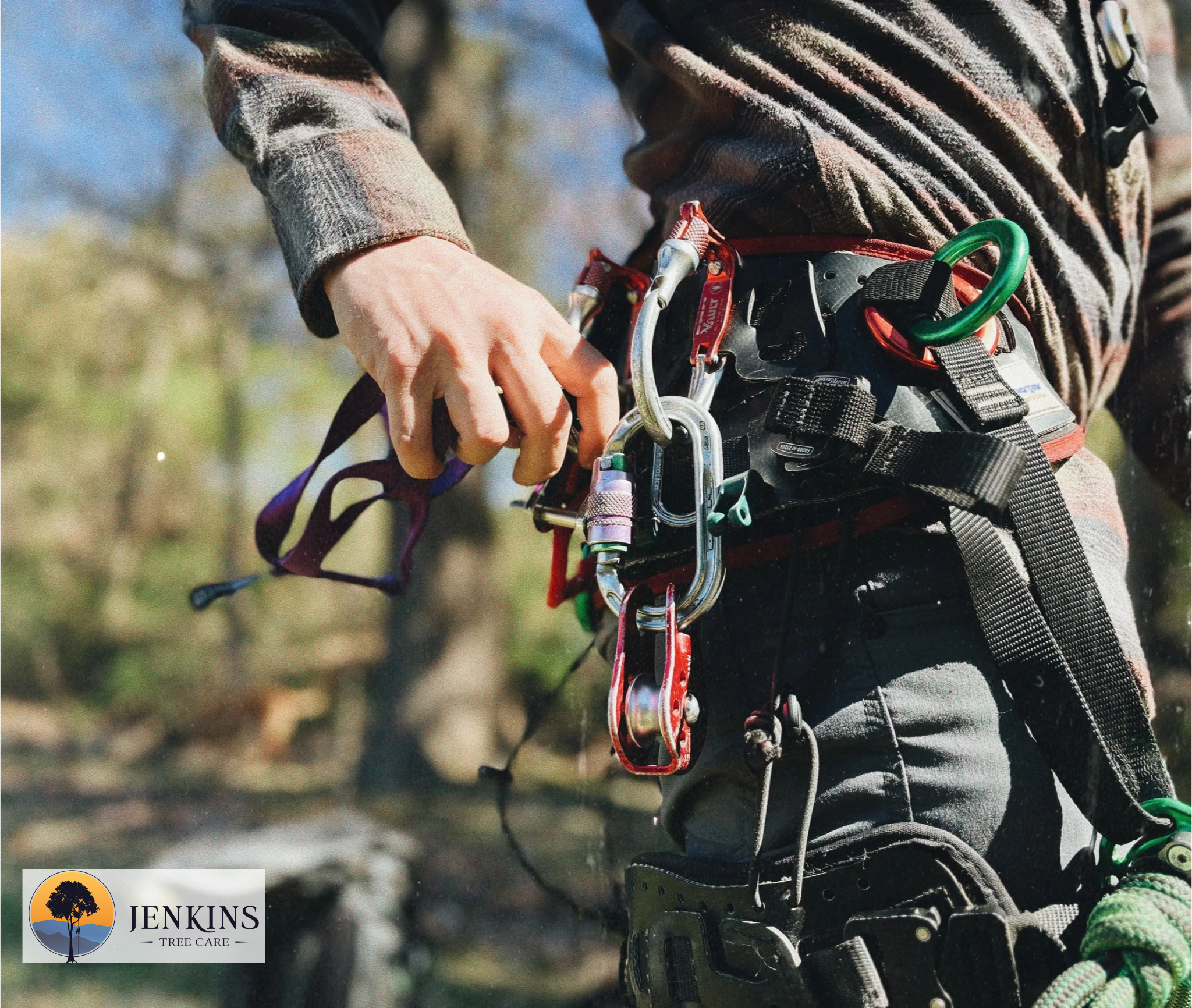
Climbing hardware includes carabiners, friction devices, ascenders, flip lines, redirect systems, and anchors. Each piece should be chosen for the specific work rather than used as a one-size-fits-all solution. A well-thought-out setup reduces strain, improves positioning, and helps the climber work more smoothly in the canopy.
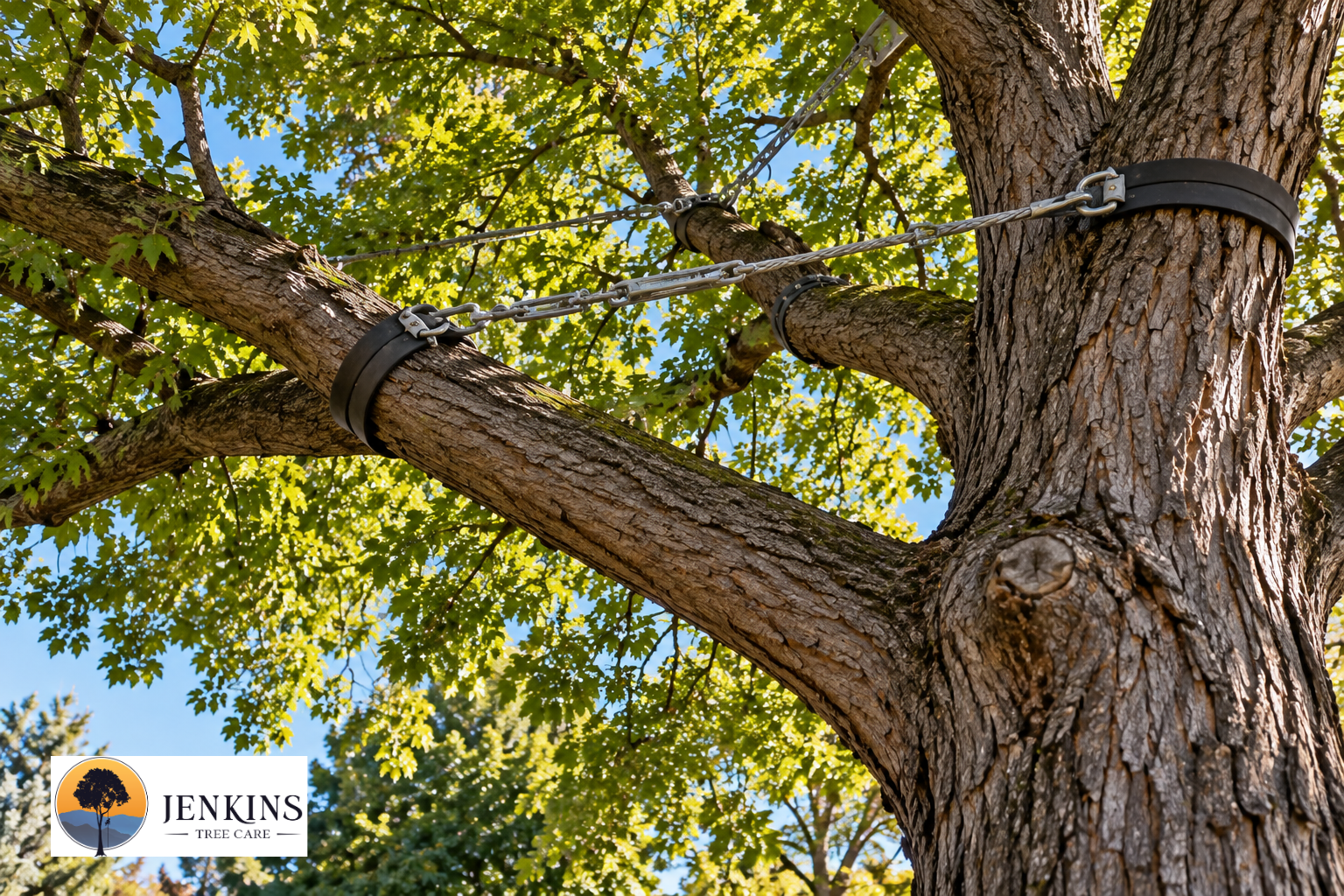
For jobs that require extra support or stability, techniques like cabling may be recommended after a proper assessment. If a tree has split limbs or structural weaknesses, professional tree cabling can help preserve valuable trees while reducing failure risk. That decision should always come from understanding the tree's condition, not convenience.
Climbing Rope Maintenance and Inspection
Rope care is often overlooked but crucial for safe tree climbing. Dirt, sap, cuts, abrasion, UV exposure, and chemical contamination all shorten a rope’s life. Before each climb, check ropes for fraying, soft spots, glazing, or unusual stiffness. If a rope seems damaged, retire it immediately rather than risk using it again.
Proper rope maintenance also includes storing it correctly. Keep ropes dry, out of direct sunlight when possible, and away from fuel, solvents, and sharp tools. A clean, organized rope system speeds up the climb and reduces tangles or mistakes when moving through the canopy.
Modern Climbing Techniques and Current Trends
Single Rope Technique (SRT)
One growing trend in arborist climbing is the use of Single Rope Technique (SRT). SRT can reduce effort during ascent and allow better movement in tall or complex trees. Compared to traditional methods, SRT often provides a smoother climb and might reduce physical fatigue, which matters on long workdays or in large trees.
SRT isn't automatically the best choice for every job, though. It requires proper training, reliable anchor selection, and understanding how rope forces behave. Used correctly, it's a powerful tool for tree care. Used carelessly, it can create new hazards, which is why professional instruction is so important.
Wearable Technology and Smart Helmets
Wearable tech is another major development in tree climbing. Smart helmets and integrated communication systems can improve coordination between climbers and ground crews, especially on jobs with multiple cut points or tight property boundaries. Some systems even monitor environmental conditions, helping crews stay alert to changes like heat, wind, or noise levels.
This technology doesn't replace skill, but it strengthens good habits. A climber who can communicate more clearly and receive real-time updates is better positioned to make safe decisions. As crews continue to adopt these tools, the industry is moving toward a more connected and informed approach to arborist work.
Efficiency Through Better Movement
Experienced climbers know that the most efficient movement isn't always the fastest-looking one. It's the movement that conserves energy, avoids unnecessary repositioning, and maintains stable body posture. Efficient climbing reduces strain on the climber’s shoulders, back, and hands while keeping the work zone controlled.
This principle is even more important in trees with dense canopies or awkward branching patterns. A climber who plans each repositioning step carefully can save time and reduce risk throughout the job. That’s why professional tree service teams often tie climbing strategy to the broader work plan, including tree pruning and cleanup needs.
How to Assess a Tree Before Climbing
Look for Decay, Deadwood, and Structural Defects
Every climb should start with a detailed tree assessment. Climbers and their team need to look for signs of decay, hollow areas, dead branches, included bark, weak unions, cracks, and previous storm damage. If a tree shows significant structural weakness, the climb may need to be modified or replaced with a different access method.
A visual inspection from the ground can reveal a lot, but it shouldn’t be the whole picture. Professional arborists often check root flare condition, soil movement, fungal growth, and canopy balance before deciding if climbing is the right approach. If the tree poses too much risk, services like tree removal might be the safer and more responsible option.
Consider Site Hazards and Utilities
Not all tree hazards are in the tree itself. Nearby power lines, fences, roofs, driveways, windows, and pedestrian paths all affect how a climb should be planned. The Occupational Safety and Health Administration emphasizes the importance of recognizing site hazards before work begins. OSHA’s tree trimming guidance is a good reference for understanding common job site dangers and the need for controlled work zones.
Wind and moisture also matter. A tree that seems stable on a calm day may become much more difficult to trust once conditions change. Crews that respect environmental variables typically work more safely and make better real-time decisions in the field.
Species-Specific Concerns in Asheville and Similar Regions
Different species create different climbing challenges. Some trees have brittle limbs, others have flexible branches, and some develop dense canopies that make movement slower and more technical. In areas with mixed hardwoods and ornamental trees, climbers should understand how species-specific growth patterns affect anchor points, branching angles, and wound response.
In Asheville and similar mountain or foothill regions, varied terrain can add another layer of complexity. Slopes, uneven access, and microclimates can change how a tree leans or how equipment is staged. Local knowledge helps crews anticipate issues before they become problems, which is one reason regionally experienced tree care teams are often better prepared for challenging work.
Best Practices for Safe Tree Climbing Operations
Continuous Fall Protection and Redundant Attachment
One of the top recommendations is continuous fall protection. At no point should a climber be without secure attachment unless the work system explicitly allows it and the risk has been addressed. Redundant attachment is especially valuable when a climber is cutting, repositioning near unstable branches, or working above hard surfaces.
This approach reduces the chance that a single failure will lead to a serious fall. It also gives the climber more confidence to work precisely instead of rushing. That confidence usually translates into cleaner cuts, better tree care, and less fatigue over the course of the day.
Stable Work Positioning and Minimal Tree Damage
A stable work position allows the climber to cut accurately while keeping the saw controlled. Instead of hanging in a twisted or overextended posture, a well-positioned climber can work with less strain and greater visibility. This improves both safety and quality.
Minimizing damage to tree tissue is another hallmark of professional work. Climbing spurs, repeated rope friction, and poor anchor placement can all leave scars if the crew is not careful. In preservation-focused jobs, the goal is to complete necessary work while protecting the tree’s long-term health.
Clear Communication Between Climber and Ground Crew
A climb is only as safe as the communication behind it. Ground crews need to know when a cut is coming, when a limb is loaded, and when the climber is repositioning. Climbers need updates about drop zones, equipment placement, and any changes to the plan.
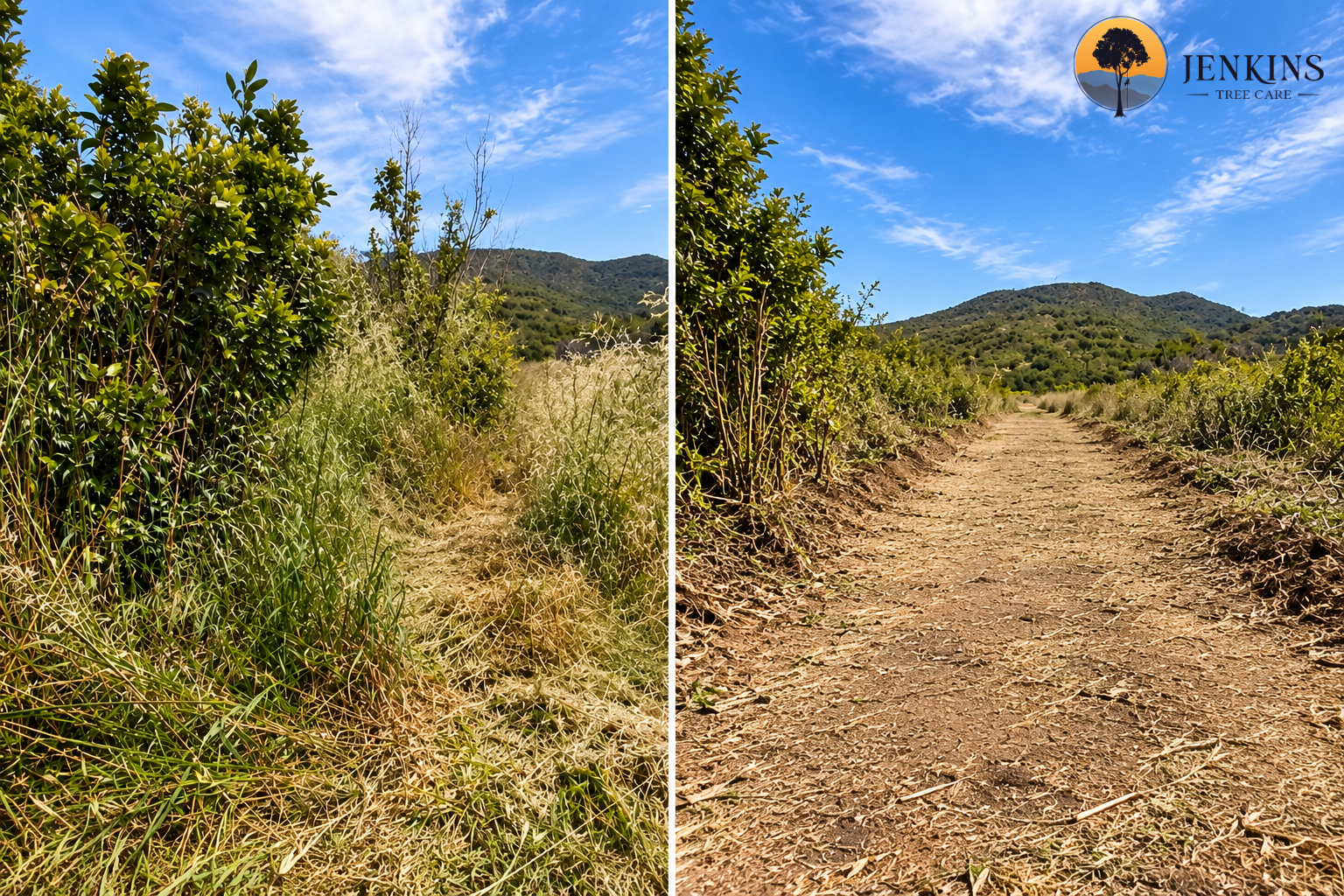
Simple, consistent commands reduce confusion. Many crews use pre-job briefings, hand signals, or helmet communication systems to stay coordinated. That level of organization becomes even more important when the job involves brush clearing, debris control, or multiple service steps such as brush removal after pruning or removal.
Training, Certification, and Ongoing Skill Development
Why Formal Training Matters
Tree climbing should never be treated as a skill that is learned once and then forgotten. The best climbers continue training because equipment changes, standards evolve, and tree work itself presents new conditions every day. Training improves judgment, not just technique, and judgment is what prevents many incidents before they happen.
Industry organizations consistently emphasize the importance of learning from qualified instructors and maintaining current knowledge of climbing systems and safety expectations. The International Society of Arboriculture is one of the best-known professional sources for arborist education and certification. For many crews, certification is not just a credential; it is a framework for working more safely and professionally.
Building Habits Through Repeated Practice
Good climbing habits are built through repetition. Gear checks, knot verification, rope inspection, and controlled movements should become automatic over time. The more these steps are ingrained, the less likely a climber is to skip something important when the job gets busy.
Repetition also builds efficiency. A climber who knows how to transition smoothly between ascent, work positioning, and descent can finish the job with less wasted energy. That efficiency benefits the entire crew and often improves the customer experience as well.
Teamwide Learning and Safety Culture
Training should not be limited to the person in the tree. Ground workers, foremen, and company owners all play a role in safety culture. When everyone understands the plan and feels empowered to speak up about hazards, the whole operation becomes more resilient.
This is especially important for companies that want to deliver dependable, long-term care rather than one-off services. A strong safety culture supports more consistent results, lower liability, and better outcomes for homeowners who rely on professional tree service year after year.
What the Data Says About Tree Work Injuries
Serious Injuries Are Often Preventable
The risk profile for tree work is not theoretical. Government and industry sources repeatedly show that falls, struck-by incidents, and contact with electrical lines remain among the most serious hazards. In a safety case study from Yosemite National Park, investigators found that many climbing fatalities and injuries were preventable and often tied to casual attitudes or avoidable mistakes. Review the Yosemite climbing safety findings from the National Park Service to see how preventable errors can become tragic outcomes.
That lesson applies directly to tree care. Even skilled climbers can be injured when they skip checks, underestimate branch condition, or rush into a complicated setup. The data reinforces a simple truth: discipline saves lives.
Common Injury Types and What They Mean
Tree work injuries can include crushing injuries, internal bleeding, skull fractures from falls, electrical shock, and lacerations from chainsaws. Each of these injuries can happen quickly and with very little warning. That is why prevention is focused on layers of protection rather than a single safety measure.
For crews, this means wearing the right gear, maintaining exclusion zones, controlling tools, and respecting electrical hazards. It also means recognizing when a tree is too compromised to climb safely. In those cases, a different strategy may be needed to protect the worker and the property.
Practical Examples of Safe and Efficient Climbing in Real Jobs
Pruning a Mature Shade Tree Without Over-Stressing the Canopy
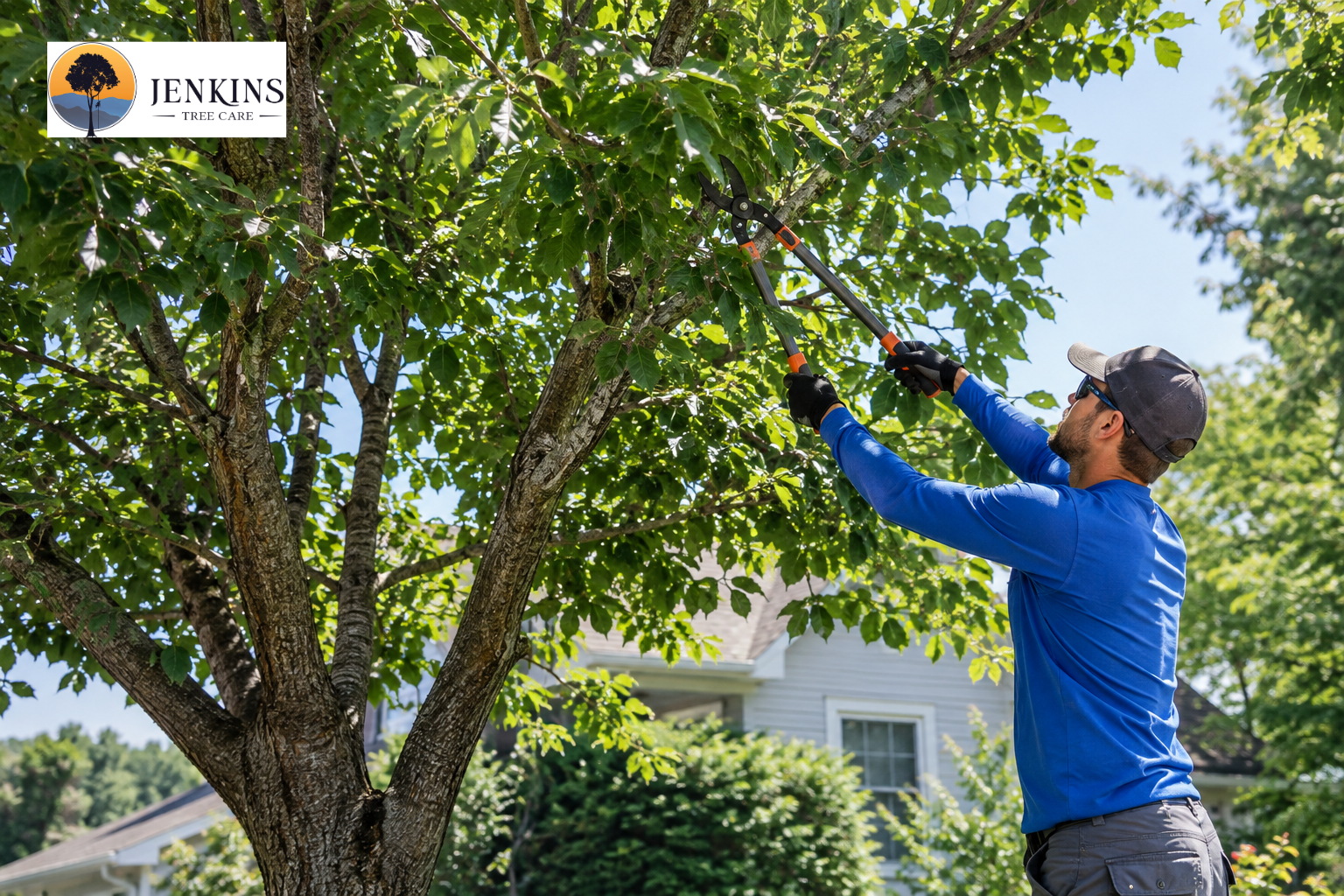
Imagine a mature shade tree with heavy limbs extending over a home and driveway. A climber must reach multiple sections of the canopy, make selective cuts, and keep the work area controlled. With the right anchor choice, efficient rope management, and stable positioning, the job can be completed without excessive movement or unnecessary branch damage.
In this type of job, the climber may also coordinate with a ground crew to remove cut branches quickly and safely. If there is significant debris afterward, pairing the climb with professional tree trimming and cleanup makes the process smoother and reduces trip hazards below.
Working on a Hazardous Tree Near a Structure
Now consider a tree with visible decay growing close to a roofline. The climber must think differently, because the main objective may be hazard reduction rather than preservation. In some situations, a partial removal or full removal is the safest approach. In those cases, the climb must be planned around drop zones, rigging, and the possibility that the tree will not support a standard access pattern.
These are the jobs where experience matters most. When the structure of the tree is questionable, the safest move is often to reassess, slow down, and choose the least risky access method. That approach protects everyone involved and avoids adding damage to an already compromised tree.
Efficient Climbing in a Complex Terrain Setting
Some properties combine slopes, tight access, and mixed species, which makes climbing more demanding. Efficient work in this environment comes from planning the route up the tree, selecting the best tie-in points, and minimizing unnecessary repositioning. A crew that understands these variables can complete the task more confidently, even when the landscape is challenging.
This kind of situation is common in mountain-adjacent areas where weather, terrain, and tree variety all influence the climb. Crews that keep their equipment organized and their plan flexible tend to produce better results with less stress on the team.
Frequently Asked Questions About Tree Climbing Safety
What Equipment Is Necessary for Safe Tree Climbing?
Essential gear includes a well-fitted harness, climbing rope, helmet, gloves when appropriate, and proper footwear. Additional hardware such as carabiners, friction devices, and ascent aids may be needed depending on the climb. The exact setup should match the job, the tree, and the climber’s training level.
How Do Professionals Assess Whether a Tree Can Be Climbed?
A climber looks for decay, deadwood, structural defects, root problems, nearby hazards, and environmental conditions. If the tree shows major weakness or instability, the safer option may be to avoid climbing or to use another method. A professional inspection helps determine whether pruning, support, or tree removal is the best choice.
How Often Should Climbing Gear Be Inspected?
Gear should be inspected before every use, with deeper periodic checks based on manufacturer guidance and work intensity. Any gear that has visible damage, contamination, or questionable wear should be removed from service immediately. In tree care, equipment failure is too costly to ignore.
What Makes SRT Different From Traditional Climbing?
SRT uses a single rope system that can improve efficiency and reduce fatigue during ascent and repositioning. Traditional systems may still be ideal in some situations, especially when the climb is short or the tree structure is straightforward. The best method depends on the job and the climber’s training.
Conclusion: Safer Climbing Leads to Better Tree Care
Safe and efficient tree climbing is not just about reaching the canopy. It is about combining training, equipment, judgment, and communication into one dependable system that protects people and preserves trees. From rope care and harness selection to SRT, smart helmets, and careful pre-climb assessment, every detail contributes to better outcomes.
For homeowners and property managers, the value of professional climbing shows up in healthier trees, fewer hazards, and cleaner work sites. For tree care teams, it means fewer delays, less physical strain, and a more consistent standard of workmanship. When climbing is done right, the results are visible long after the crew leaves.
If you need expert help with climbing-based tree care, hazard reduction, or site cleanup, Jenkins Tree Care is here to help with professional solutions tailored to your property. Learn more about our services, from tree pruning to stump grinding, and choose a team that values safety, efficiency, and long-term tree health. To discuss your project, call (828) 279-5756 or visit us at 18 Hilldale Rd, Asheville, NC 28803.