Pruning your trees the right way is one of the easiest ways to keep them healthy, beautiful, and safe for years to come. When done right, it gets rid of dead or sick branches, shapes the tree, reduces risks, and helps it grow stronger and more balanced. But if done wrong, it can harm the tree, invite decay, and leave potential hazards. That’s why many homeowners prefer to hire professional tree pruning or tree trimming services instead of trying to handle it themselves.
This guide will show you why pruning is important, how it helps tree growth, when to do it, and what signs to watch for that indicate a tree needs care. We’ll also look at how tree care is changing, why certified arborists are valuable, and how good maintenance can boost your property’s value over time. For more on pruning standards, check out the University of Minnesota Extension and the ISA Tree Owner information.
Why Proper Pruning Matters for Tree Health
Removing weak and unhealthy growth
Pruning is great for getting rid of branches that are dead, diseased, broken, or weak. These branches don’t help the tree’s health and can even drain energy or let in pests and decay. By removing them early, the tree can focus its resources on healthy leaves, strong limbs, and root development. This is a key part of tree care and is seen as preventive maintenance, not just for looks.
Pruning helps stop disease from spreading by improving airflow and letting more light through the canopy. When branches are too crowded, moisture sticks around longer, making it easier for fungi to spread. This is especially crucial in humid climates or shady yards where damp conditions linger. A well-thought-out pruning plan helps keep the canopy open for breathing while keeping the tree’s natural shape.
Encouraging strong, balanced structure
Young trees especially benefit from structural pruning because early decisions shape their future. Removing poorly attached limbs, crossing branches, and competing leaders helps build a stable framework. This cuts down the chances of future splitting, storm damage, or awkward growth that might need more drastic fixes later. Pruning now can save you from expensive problems down the road.
That idea is backed by forestry and urban tree management principles: it’s easier and less stressful to shape trees when they’re young instead of fixing major defects in mature trees. Homeowners who delay pruning often end up needing more aggressive tree removal or emergency tree work when a branch fails during a storm. A little care early on can keep a valuable tree healthy for years longer than neglect ever would.
The Science Behind Better Growth
How pruning redirects energy
Trees have a limited amount of energy, and every branch, leaf, and bud competes for it. When pruning removes weak or unproductive growth, the tree can focus on strong branches and new shoots. This redirection supports better canopy development, stable branch spacing, and resilient growth habits. The result is often a tree that looks fuller, healthier, and more naturally balanced.
Pruning can also influence the tree’s hormonal response. In many species, removing certain buds or stems encourages dormant buds below the cut to grow. That’s why pruning is sometimes used to improve shape, reduce crowding, or guide growth away from structures, fences, and walkways. The key is to make selective cuts with a clear purpose, not to remove large amounts of growth at random.
The role of dormant-season pruning
For many species, the best time to prune is during the dormant season, usually late winter to early spring. During dormancy, trees are less stressed, insect activity is lower, and the structure is easier to evaluate because the canopy is bare. This timing often allows pruning cuts to heal more efficiently once growth resumes. It’s also easier to spot crossing limbs, weak unions, and storm damage before spring leaf-out hides them.
Timing depends on the species and the reason for pruning. Flowering trees, fruit trees, and stressed trees might need a different approach. A certified arborist can help determine the best time based on the tree’s biology and the homeowner’s goals. For those in western North Carolina, professional tree pruning can be coordinated with local conditions to support growth instead of interrupting it.
How Pruning Prevents Future Problems
Reducing storm damage risk
One clear reason to prune trees is to reduce the chance of branches breaking during wind, ice, or heavy rain. Weak limbs, crossing branches, and dense canopies are more likely to fail under stress. Pruning removes obvious hazards and improves the tree’s ability to flex and shed wind rather than catch it. This is especially valuable for trees near homes, driveways, sidewalks, and utility lines.
If you want to understand tree risk better, resources from the National Weather Service can explain how storms create hazards in tree-heavy landscapes. When severe weather hits, a properly pruned tree is often less likely to lose major limbs. That can protect roofs, vehicles, outdoor areas, and nearby structures.
Preventing decay and structural failure
Every pruning cut is a wound, which is why quality matters. Certified arborists emphasize that cuts should be made carefully and only where necessary. Poor cuts can leave large exposed surfaces that decay quickly, while proper cuts help the tree compartmentalize damage and continue healthy growth. This is why arborists recommend precision and restraint over aggressive cutting.
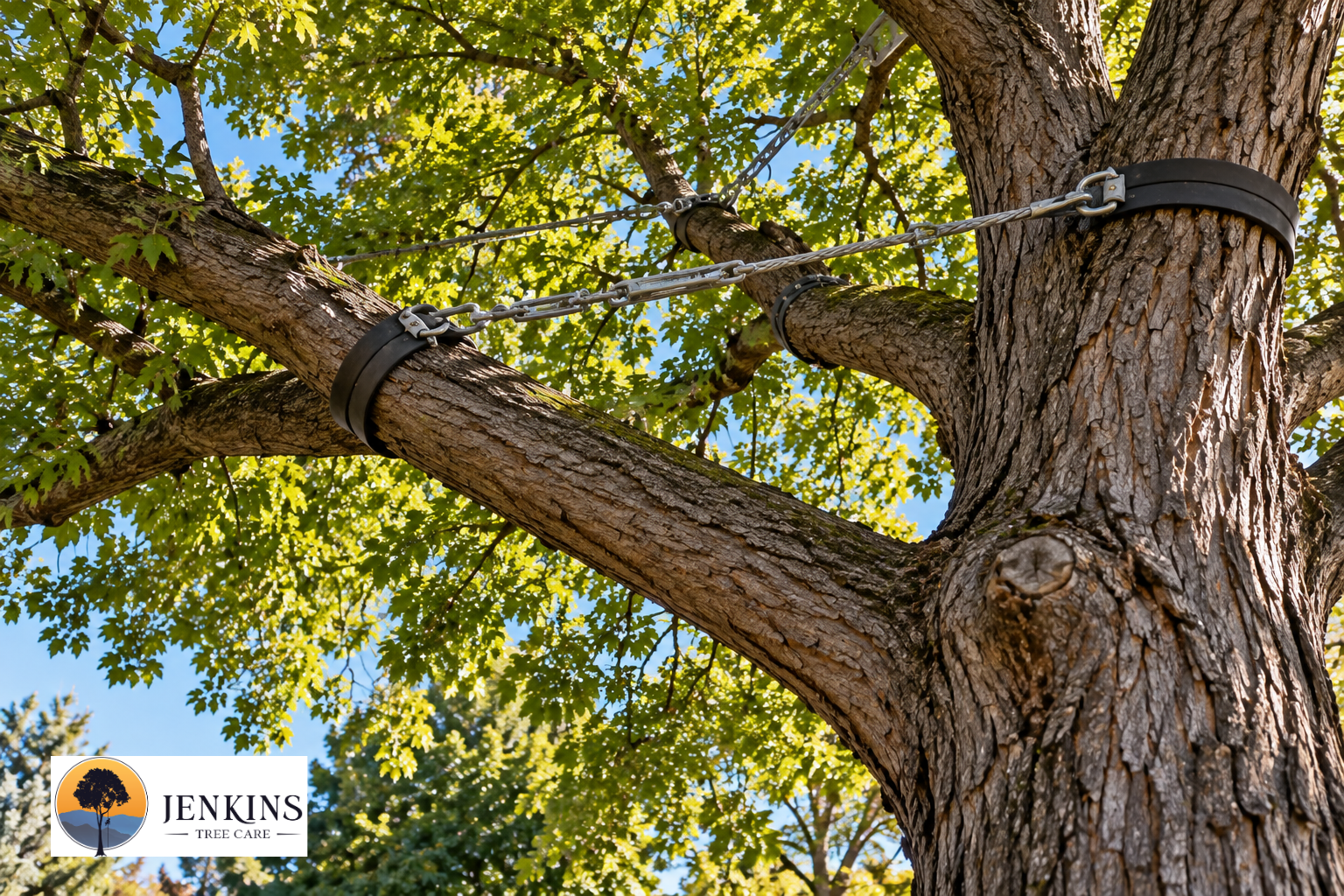
Sometimes, pruning reveals deeper structural concerns like split trunks, included bark, or weak branch attachments. When these are discovered early, the tree may be stabilized with tree cabling rather than being left to fail later. In other cases, unsafe limbs may need to be removed before they cause damage. Thoughtful pruning often starts a broader tree risk assessment.
Current Trends and Innovations in Tree Pruning
Autonomous and robotic pruning tools
Tree care is becoming more technical, and one of the most interesting developments is robotic pruning research. A 2022 experimental study described an autonomous system for pruning sweet cherry trees, achieving a cutting success rate of 58%. While still early-stage, the research shows how automation may eventually support fruit production and reduce labor in specialized settings. You can review the study on arXiv for more detail on the method and results.
Although robots aren’t replacing trained arborists in residential tree care, they show where the industry is heading. Smarter tools, imaging systems, and data-driven analysis may eventually improve how pruning decisions are made. For now, the human eye and a trained understanding of tree biology still matter most, especially when work involves mature shade trees, storm-damaged limbs, or valuable ornamental specimens.
More precise, preservation-focused pruning
Another important trend is the shift toward preservation rather than overcutting. Certified arborists increasingly stress that pruning should maintain a tree’s natural form while improving health and safety. This approach is reflected in professional guidance from arborist organizations and local experts alike. For example, best-practice resources from Trees Are Good emphasize making specific, purposeful cuts instead of heavy reduction.
This preservation mindset is especially important in established neighborhoods where mature trees contribute to character, shade, and environmental quality. It's also relevant in areas where trees are a major feature of the landscape, including places like Asheville. Local homeowners often want a combination of safety and beauty, which means pruning should support both objectives without stripping away the tree’s natural value.
How Professional Arborists Approach Pruning
Training and certification matter
Not every cut is equal, and not every tree should be treated the same way. Certified arborists understand species differences, branch attachment strength, growth patterns, and the long-term impact of pruning decisions. That knowledge helps them determine whether a tree needs selective pruning, weight reduction, structural correction, or in some cases removal. In the Asheville area, working with an experienced team like Jenkins Tree Care can help homeowners make the right choice for the tree and the property.
Professional arborists also understand that pruning is only one part of a larger maintenance plan. They may recommend follow-up care, seasonal inspection, mulch management, or a tree risk assessment depending on the tree’s condition. That holistic approach helps avoid repetitive emergency work and creates a healthier landscape over time. If a tree is too compromised to save, a more direct solution such as tree removal may be the safer option.
Choosing the right cuts
Good pruning is selective, not excessive. Arborists typically focus on removing deadwood, rubbing limbs, crossing branches, and growth that interferes with structures or degrades tree form. They also try to preserve the branch collar and avoid flush cuts, which can slow healing and increase decay risk. These details may seem small, but they have a major impact on future tree health.
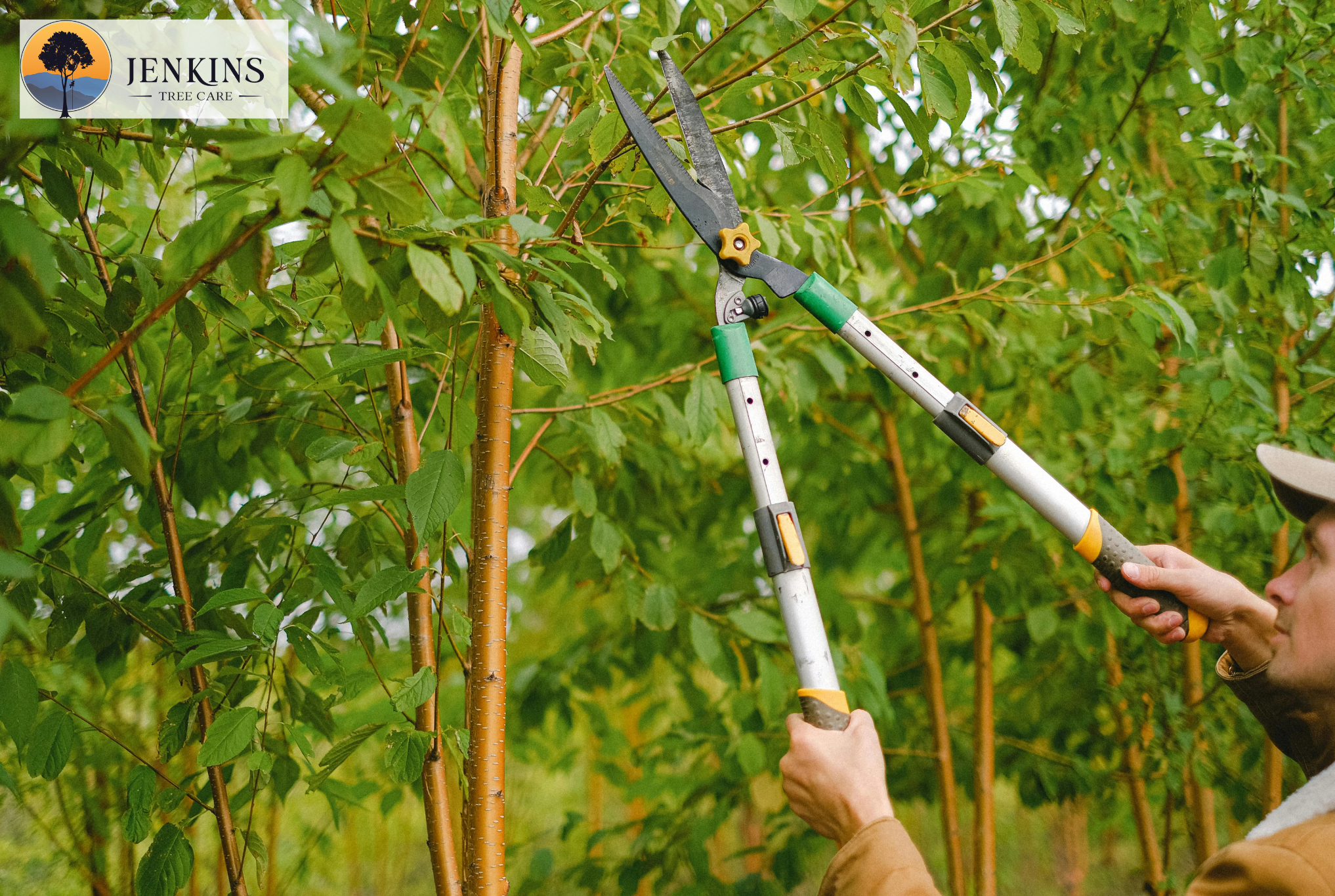
When homeowners try to prune without understanding those details, the result can be topped trees, stub cuts, or unbalanced growth that creates new hazards. That’s why major pruning should usually be left to professionals with the right equipment and training. For smaller overgrowth issues, tree trimming may be appropriate, but the goal should still be the same: guide growth without harming the tree.
Signs Your Tree Needs Pruning
Visible deadwood and diseased limbs
If you notice dead branches, broken limbs, fungus, or discolored foliage, your tree may need attention soon. These symptoms do not always mean the tree is beyond saving, but they do suggest that a problem is developing. The longer damaged limbs remain in place, the greater the chance they will fall or spread issues into healthy wood. Pruning is often the fastest way to reduce risk and improve the tree’s condition.
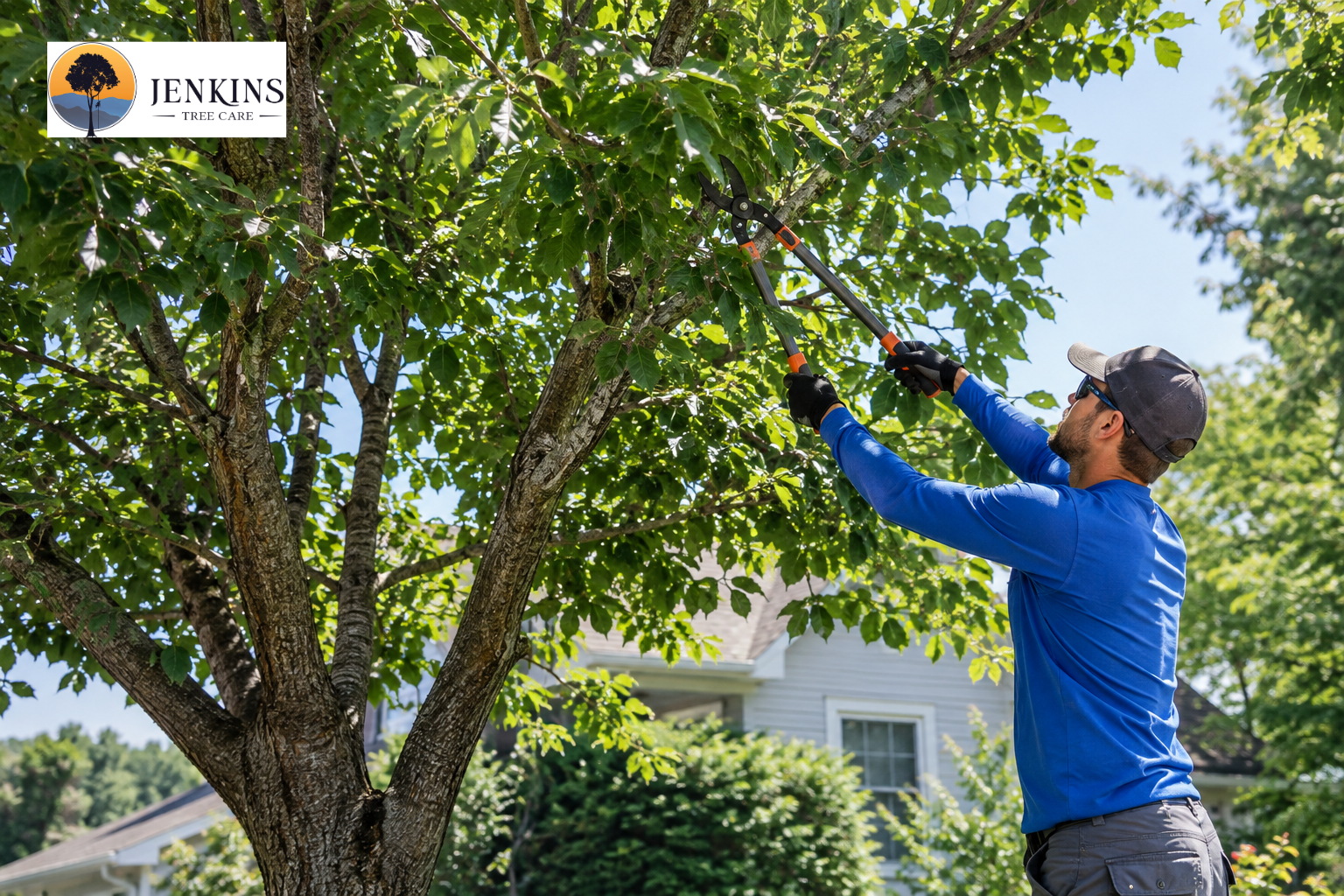
Homeowners should also watch for branches that rub together, grow at sharp angles, or extend over roofs and walkways. These are not just appearance concerns; they are structural red flags. A professional can evaluate whether the tree would benefit from tree pruning or whether the risk level justifies a different intervention. Either way, early action is usually the better choice.
Overgrowth near structures and utilities
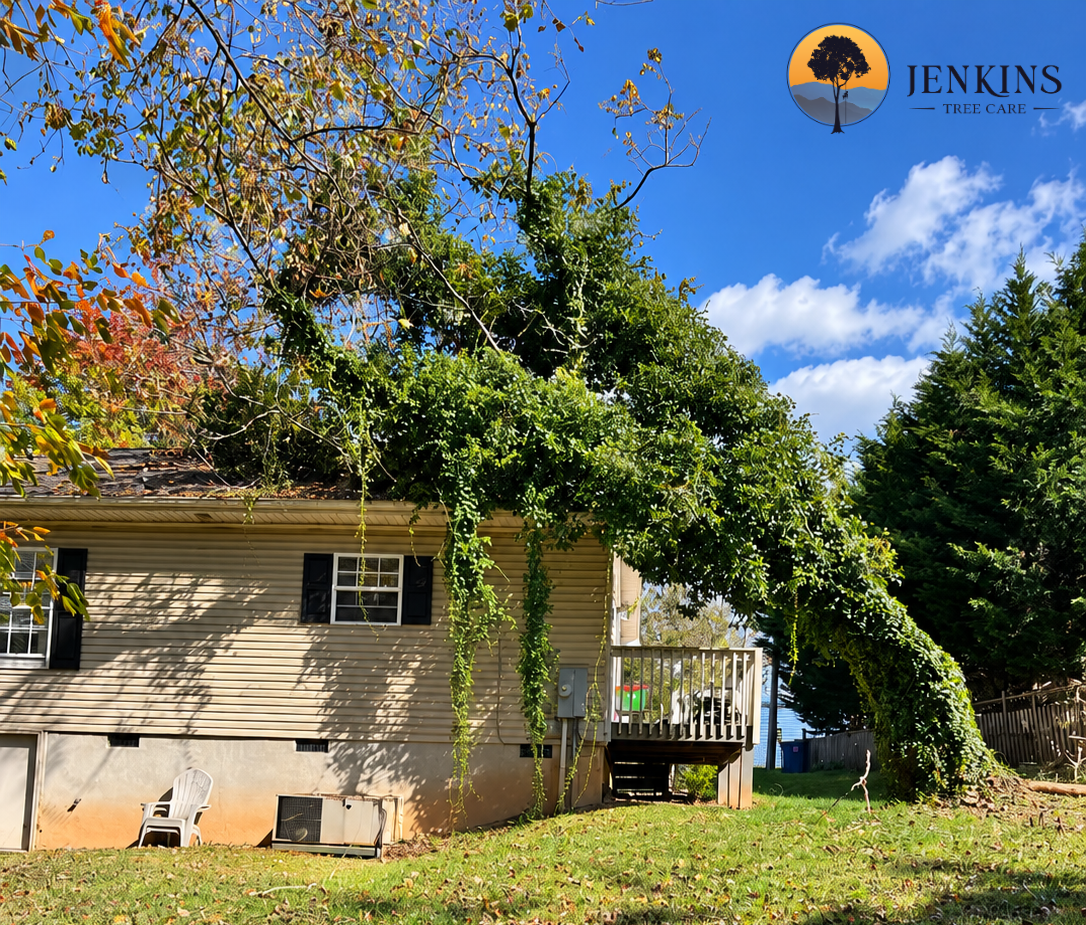
Another clear sign that pruning is needed is when limbs begin encroaching on homes, driveways, fences, or power lines. Overgrown trees may block light, scrape roofing, or interfere with safe movement around the property. In urban and suburban settings, this can become a recurring issue if not handled before branches get too large. Preventative pruning keeps the space safer and easier to maintain.
When branches are too close to hardscapes or utility corridors, the work often needs to be paired with a broader maintenance plan. In some cases, cabling can preserve a valuable tree while reducing movement in weak limbs. In others, removal may be necessary if the tree is already failing or if structural problems are too advanced. A thoughtful arborist will explain the options clearly and recommend the least disruptive long-term solution.
Pruning, Property Value, and Curb Appeal
Why healthy trees improve home value
Well-maintained trees do more than look nice. They can help improve the overall impression of a property, create shade, and contribute to a more inviting landscape. The USDA Forest Service has reported that well-maintained trees can increase property value by up to 15%, which is a strong reminder that tree care is also an investment in curb appeal. Proper pruning plays a direct role in that value by keeping trees attractive, balanced, and safe.
From a buyer’s perspective, a landscape with healthy trees suggests the property has been cared for. Trees with broken limbs, crowding, or visible neglect can have the opposite effect and create concerns about hidden hazards or future costs. That is why many homeowners schedule pruning before listing a home or after purchasing one. It is a practical way to improve appearance while reducing liability.
Supporting an attractive, usable yard
Pruning also improves how people use a yard. It opens views, increases sunlight for lawns and gardens, and creates clearance for patios, paths, and play areas. For families, that can make the outdoor space feel more open and functional. For property managers, it can reduce complaints and keep shared areas more orderly.
In some cases, pruning can also complement other cleanup work such as brush removal or stump grinding after a tree has been removed. A clean, well-managed landscape is easier to maintain and more pleasant to use. These improvements may seem small individually, but together they can completely change how a property feels and functions.
Case Study: Local Tree Care in Asheville
A preservation-first approach
In Asheville, trees often grow in landscapes shaped by slopes, storms, older neighborhoods, and changing soil conditions. That means pruning has to be tailored to local needs, not applied as a one-size-fits-all service. Local arborists like Jenkins Tree Care combine technical precision with practical knowledge of the region to help trees thrive. In many cases, the goal is to preserve a valuable tree while correcting the issues that threaten its future.
For example, a mature shade tree with weak limbs may need selective pruning to remove risk while keeping enough canopy to remain healthy and attractive. A younger tree may need structure correction to reduce future splitting. In either case, the work should be done with restraint and a clear understanding of how the species grows. That is especially important in neighborhoods where trees are part of the character of the property.
When pruning leads to better long-term outcomes
Real-world results often show that a little planning goes a long way. Trees that are inspected and pruned regularly are less likely to develop major hazards, less likely to need emergency work, and more likely to remain part of the landscape for decades. Homeowners who invest in preventative maintenance often spend less over time than those who wait for a failure to occur.
That is why many clients choose ongoing tree care instead of one-time fixes. Pairing pruning with regular inspection makes it easier to catch changes before they become expensive problems. It also gives arborists a chance to recommend support services such as cabling, tree removal, or seasonal trimming if the tree’s condition changes. For property owners who want to protect their investment, this long-term approach is usually the smartest one.
Frequently Asked Questions About Tree Pruning
When is the best time to prune trees?
For many trees, dormant-season pruning is ideal because it reduces stress and makes the structure easier to see. Late winter to early spring is often recommended, but species, weather, and tree condition all matter. Flowering trees and trees with special growth habits may need different timing. A certified arborist can help you choose the right schedule for your specific trees.
Can I prune my trees myself?
Minor pruning on small branches may be manageable for some homeowners, but major pruning should be handled by trained professionals. Working at height, using saws, and cutting large limbs can be dangerous. More importantly, improper cuts can harm the tree and create long-term problems. If the work involves large branches, power lines, or a potentially unstable tree, professional help is strongly recommended.
How do I know whether pruning or removal is needed?
The answer depends on the tree’s health, structural integrity, and location. If the tree still has strong growth, manageable defects, and a good chance of recovery, pruning may be enough. If the trunk is decayed, the root system is compromised, or major limbs are failing, removal may be safer. A full assessment can help determine the best option.
Conclusion: Prune Today to Prevent Bigger Problems Tomorrow
Proper tree pruning is one of the most effective ways to support healthy growth, reduce future hazards, and keep your landscape attractive. It helps remove dead or diseased wood, improves structure, encourages balanced development, and lowers the chance of storm damage or decay. Just as importantly, it protects your investment in the property by keeping trees strong, usable, and visually appealing.
If your trees are overgrown, damaged, or showing signs of stress, now is a smart time to act. Jenkins Tree Care offers professional pruning, trimming, cabling, removal, and cleanup services designed to protect both your trees and your property. For expert help and clear recommendations, explore our tree pruning services or contact us to discuss a maintenance plan that fits your landscape goals. Taking care of your trees today can prevent much larger problems in the future.