Understanding Tree Health: What Early Leaf Drop Means in Asheville
When a tree starts losing its leaves earlier than expected, it’s easy to think it's just the season's change. Sometimes that’s true, but early leaf drop can also signal that a tree is stressed. If you notice thinning canopies, patchy discoloration, or leaves falling when nearby trees still look full, it’s worth paying attention before a small issue becomes a bigger problem.
Healthy trees are a vital part of any yard. They provide shade, boost curb appeal, and support property value. But they need regular care to stay strong through changing weather, drought, pests, and disease. For homeowners who want help understanding what their trees are telling them, professional tree pruning and tree trimming can make a big difference in long-term health and safety. Often, the right intervention at the right time can prevent more costly damage later.
In this guide, you’ll learn the common reasons a tree may drop leaves too early, how to tell the difference between seasonal shedding and true stress, and what to do next. We’ll also cover when to call for an inspection, how professionals approach treatment, and which warning signs mean removal might be the safer option. To back up these ideas, understanding how trees respond to stressors like drought and disease is helpful, as sources like the U.S. Forest Service and Penn State Extension explain.
Why Early Leaf Drop Shouldn't Be Ignored
Leaf Loss: A Stress Response
Leaves are often the first place where a tree shows trouble. When a tree is stressed, it might shed leaves early to reduce the water and energy it needs to survive. This doesn’t always mean the tree is dying, but it does mean the tree is working harder than it should. Early leaf drop is often the tree’s way of conserving resources when roots, bark, or internal transport systems are struggling.
This stress response can be triggered by various issues like compacted soil, insufficient moisture, poor root development, insect feeding, or fungal infection. Because leaf symptoms often appear before visible trunk damage, homeowners might not realize there’s a deeper issue until the canopy becomes thin or branches begin to die back. That’s why routine observation matters so much.
Not All Leaf Drop Is Seasonal
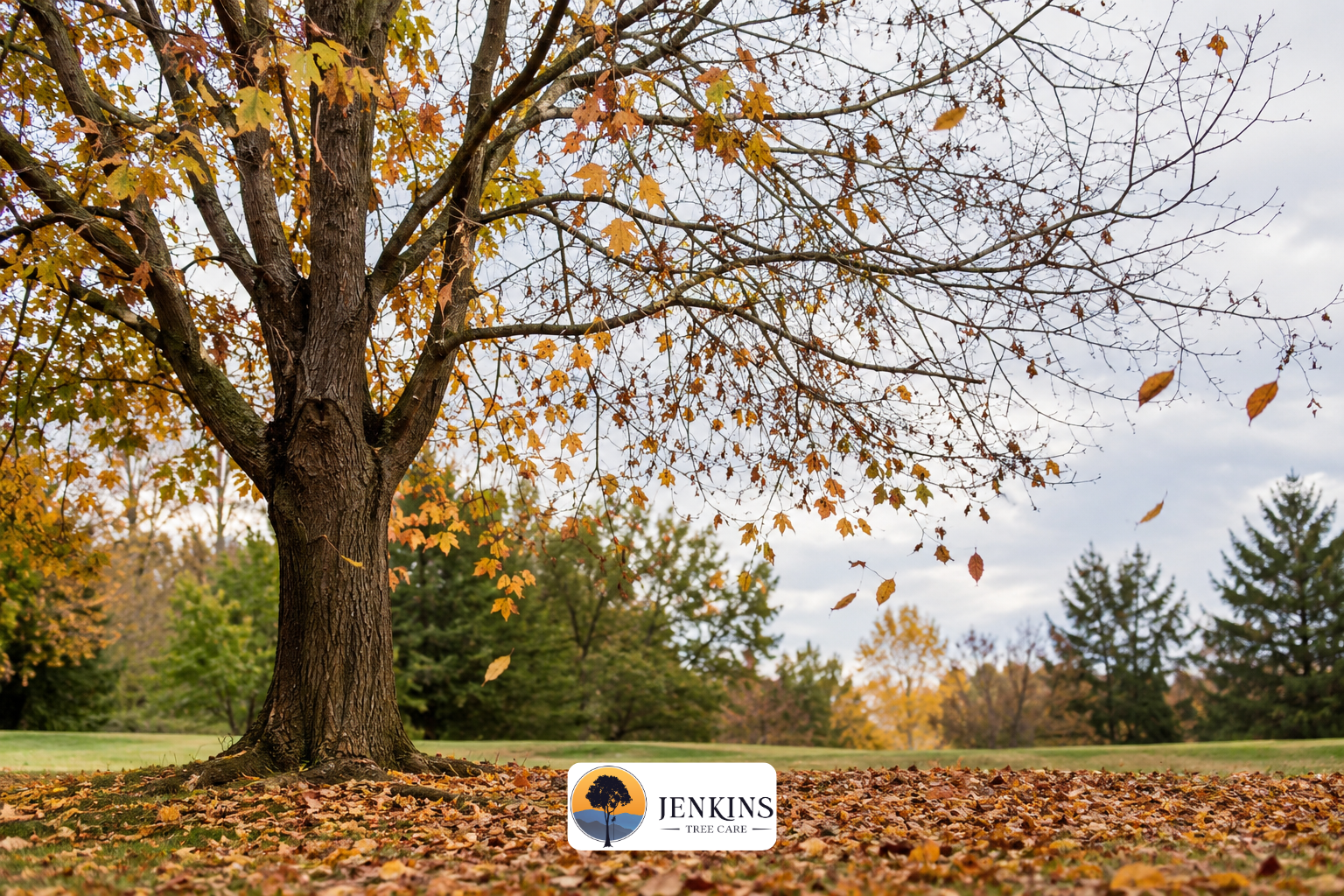
Many trees naturally shed leaves in fall, and some species may drop foliage earlier than others. However, if a tree loses leaves far ahead of the normal autumn cycle, especially during spring or summer, it often indicates a problem. The timing matters just as much as the symptom itself. A tree that drops leaves in response to drought in mid-summer is sending a different signal than a tree gently preparing for dormancy in late fall.
Seasonal change usually affects multiple trees at once in a predictable pattern. Stress-related leaf loss often appears unevenly, with only one tree or one portion of a canopy affected. If you compare several trees on the same property and one stands out as noticeably thinner, that difference can be an important clue.
Common Causes of Early Leaf Drop
Drought and Inconsistent Watering
Water stress is one of the most common reasons for premature leaf loss. Trees need deep, consistent moisture to support root function and nutrient transport. When soil dries out too quickly, the tree may respond by dropping leaves to reduce demand. This is especially common during hot, dry stretches, but it can also happen after long periods of irregular watering.
Even mature trees can struggle if their root systems are shallow or competing with turf grass and nearby landscaping. In compacted or sloped soils, water may run off instead of soaking in, leaving roots too dry. A tree can appear fine one week and then suddenly begin yellowing and shedding leaves the next if conditions worsen quickly.
Pests and Insect Activity
Insect infestations are another frequent cause of early leaf loss. Some pests chew leaves directly, while others damage stems, buds, or bark and disrupt the tree’s ability to move nutrients. When pests are active, leaves may become spotted, curled, skeletonized, or sticky before dropping. Aphids, scale, borers, and caterpillars are all examples of insects that can create visible decline.
Because pests often target weak or stressed trees first, an infestation may be a symptom as much as a cause. A tree already under pressure from compacted roots or poor drainage may be more vulnerable to attack. If you suspect pest pressure, a trained arborist can help determine whether the tree needs pruning, treatment, or more intensive care.
Fungal Disease and Root Problems
Fungal diseases often affect leaves, branches, roots, or the vascular system. Some diseases show up as black spots, powdery coatings, leaf blight, or premature browning. Others attack roots silently, preventing the tree from absorbing water even when the soil is moist. Root rot is especially concerning because the problem may be advanced before the canopy shows obvious symptoms.
Resources like Clemson Extension explain how root and foliage diseases can spread quickly when conditions stay wet or when trees are planted too deeply. If a tree is repeatedly stressed by saturated soil, poor grading, or damaged roots, leaf drop may be only one part of a larger decline. In severe cases, disease can weaken the entire structure and create a hazard.
How to Tell Stress Apart from Normal Seasonal Change
Look at the Pattern of Leaf Loss
Healthy seasonal leaf drop usually looks uniform and predictable. If a tree is simply entering dormancy, foliage often changes color gradually and falls over a normal timeline. Stress-related leaf loss may show up in clusters, on one side of the canopy, or in one section of the tree more than another. Uneven decline is a major clue that something is wrong.
Also pay attention to whether the leaves are green, yellow, brown, spotted, or curled when they fall. A tree can lose green leaves in response to shock or root failure, while yellowing or browning leaves often point to nutrient, water, or disease issues. The texture and color of the dropped leaves can help narrow the cause.
Check the Branches and Trunk
Leaves are only part of the story. Branch dieback, peeling bark, cracks, cankers, and cavities all suggest that the tree is under more serious stress. If limbs are brittle or small twigs are dying back throughout the canopy, the problem may extend beyond simple leaf loss. These structural clues are especially important when the tree is large or located near a home, driveway, or walkway.
A strong tree should have flexible, living twigs and consistent foliage throughout the crown. When the canopy starts thinning from the top or outer edges inward, the tree may be redirecting energy away from less critical growth. This is one reason professional inspection is so useful: an arborist can see whether the issue is cosmetic, localized, or systemic.
Consider Recent Weather and Site Conditions
Weather patterns often provide context for leaf loss. Extended heat, sudden frost, heavy rain, wind damage, or a late-season cold snap can all affect leaf retention. Trees planted in poor soil or near construction zones are even more sensitive because their roots have less room to recover from environmental stress. If your landscape recently changed, that may help explain the decline.
Construction, grading, trenching, and repeated foot traffic can all damage roots without obvious surface signs. Once the root zone is disturbed, the tree may not be able to support a full canopy. This is one reason arborists often ask about recent property work before diagnosing the cause of leaf drop.
What a Professional Tree Assessment Looks Like
Visual Inspection of Canopy and Structure
A professional tree assessment starts with a careful visual review of the canopy, trunk, and major limbs. The goal is to identify patterns that suggest disease, pests, mechanical injury, or structural weakness. During this stage, an arborist looks for deadwood, thinning, crown imbalance, bark defects, and signs of decay. The assessment helps determine whether the tree can recover or whether intervention is needed immediately.
This is also where a professional can distinguish between a tree that needs maintenance and one that poses a risk. For example, a tree with moderate stress may benefit from targeted tree cabling or pruning to reduce load, while a tree with severe trunk compromise may require a different solution. Good diagnostics prevent unnecessary removal while still protecting your property.
Soil, Roots, and Drainage Review
Leaves often reveal problems that begin below the ground. A proper inspection usually includes checking soil conditions, drainage, root flare visibility, and evidence of girdling roots. If the soil is compacted or constantly wet, the roots may not be getting enough oxygen. If roots are circling, broken, or buried too deeply, the tree may slowly decline even if the top looks only mildly stressed.
Root problems are especially important because they can remain hidden for a long time. By the time a homeowner notices early leaf drop, the tree may already have been struggling for months. An arborist can recommend soil improvements, watering adjustments, or other corrective steps based on the findings.
When Removal Becomes the Safer Choice
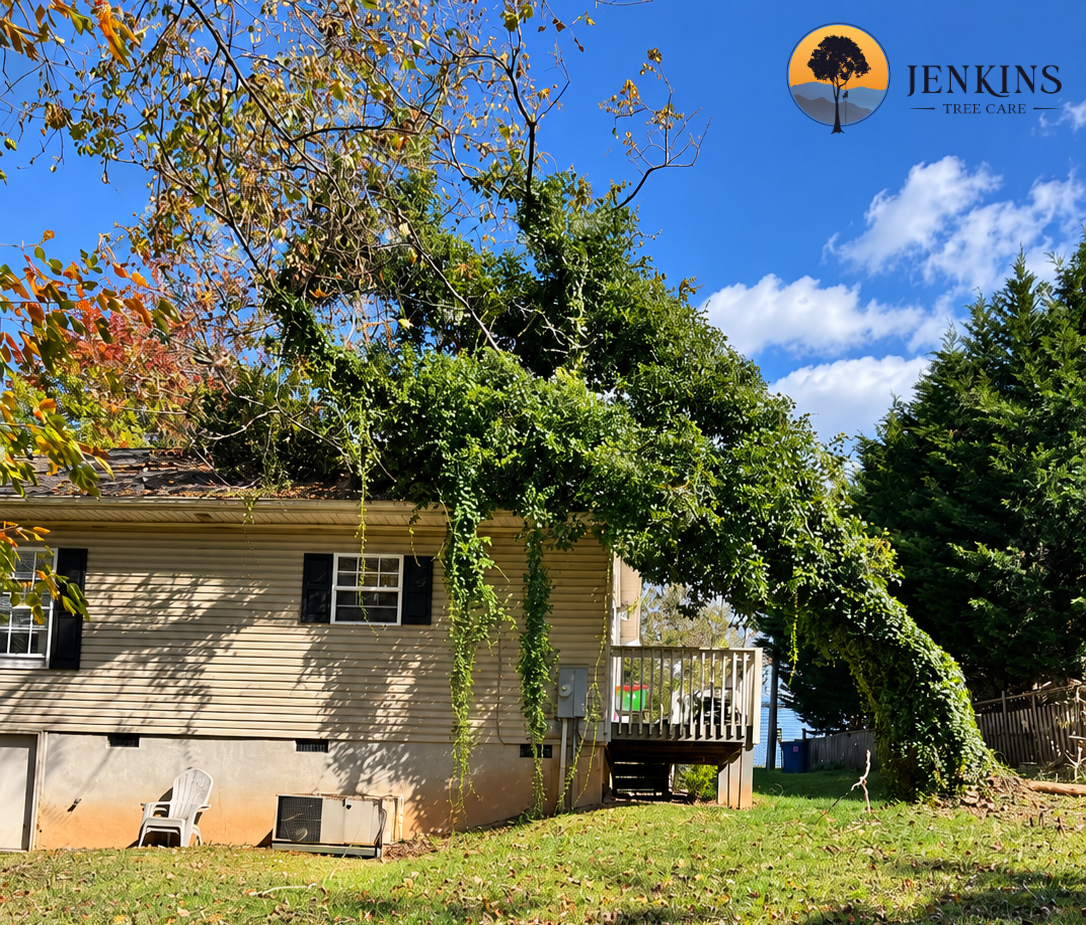
Sometimes a tree that is losing leaves early can still be saved. Other times, the safest move is tree removal. If the tree has extensive decay, major structural failure, or severe root loss, continued decline may create a hazard. The right decision depends on the species, size, location, and how advanced the damage has become.
Removing a tree is not the first choice in many cases, but it can be the best choice when safety is at stake. If the tree is near a home, utility line, fence, or high-traffic area, waiting too long can increase risk. A professional can explain the difference between a tree that can be preserved and one that should be removed before it fails.
Practical Steps Homeowners Can Take Right Now
Document the Symptoms
If you suspect a problem, start by taking clear photos of the tree from several angles. Capture close-ups of leaves, branches, bark, and any visible damage. This record can help you compare changes over time and provide useful information if you schedule an inspection. Photos also make it easier to track whether the decline is progressing or stabilizing.
Note the date you first observed the issue, the recent weather, and any changes to the property. This simple habit can make it easier for a tree care professional to identify patterns. The more context you can provide, the faster a diagnosis can be made.
Adjust Watering and Mulch Carefully
Many stressed trees need improved moisture management, but overwatering can be just as harmful as drought. Deep, infrequent watering is usually better than frequent shallow watering because it encourages stronger roots. Mulch can also help regulate soil moisture, but it should be kept away from the trunk so it does not trap excess moisture against the bark.
For trees with unknown issues, avoid making drastic changes until you know the cause of the leaf drop. If the tree is already declining from disease or root injury, random watering changes may not solve the underlying problem. A professional recommendation is often the safest route.
Remove Hazards Around the Tree
If branches are dropping or the canopy looks unstable, clear the area beneath the tree. Keep people, pets, and vehicles away from dead limbs, and watch for falling debris after storms or strong winds. If brush or broken limbs are piling up nearby, brush removal can help restore safety and make the area easier to inspect.
Safety should always come first when a tree is showing signs of stress. A weakened tree may fail without much warning, especially if it has already lost strength in the roots or trunk. Creating a safer perimeter buys time while you decide on the next step.
How Tree Care Professionals Help Protect Tree Health
Targeted Pruning and Trimming
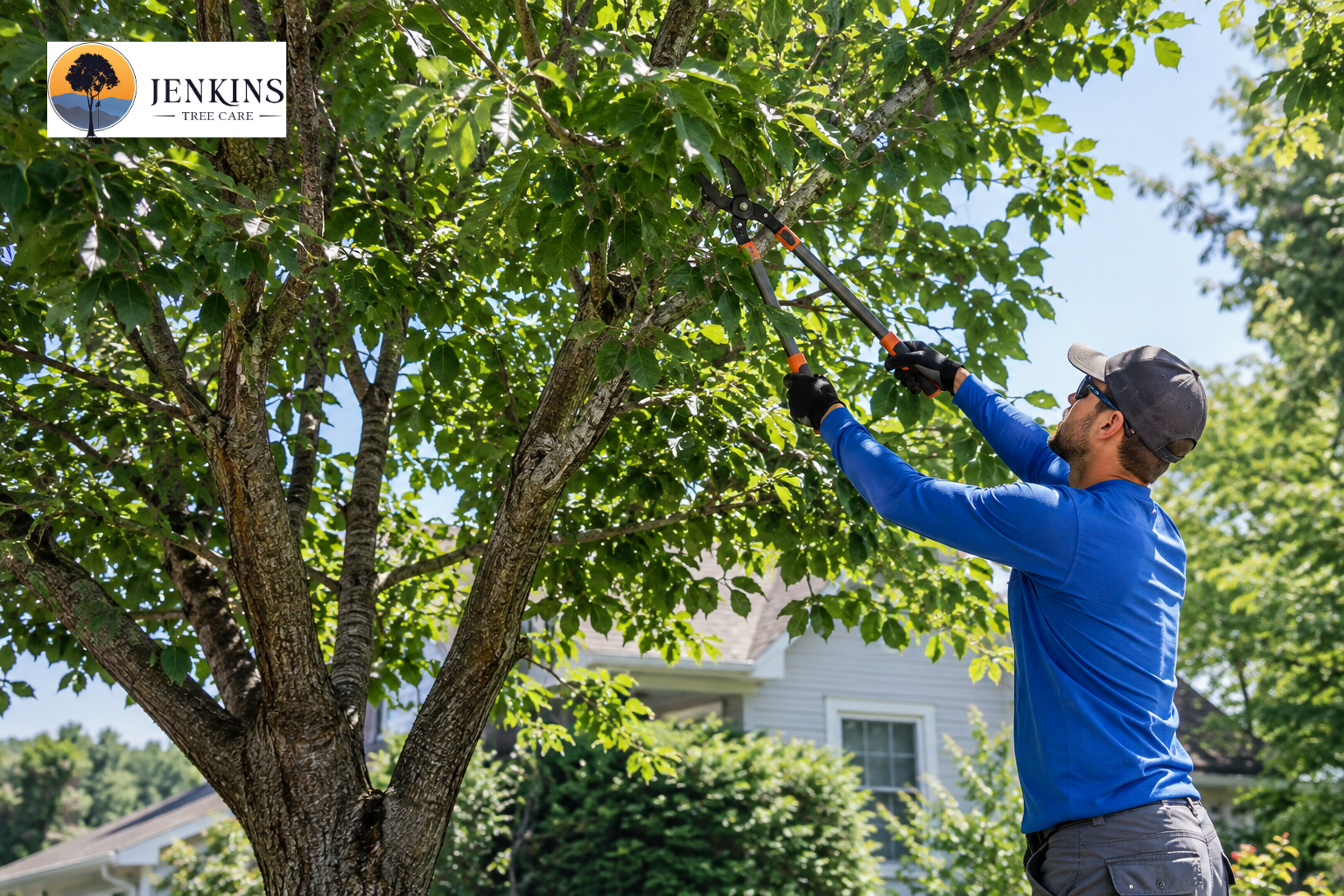
When early leaf drop is caused by overcrowding, weak branch structure, or deadwood, selective pruning may help the tree redirect energy into healthier growth. Proper cuts can also improve air circulation and reduce stress from rubbing limbs or heavy canopy load. This is why experienced arborists approach each tree individually rather than using a one-size-fits-all method.
Well-planned pruning is most effective when it supports the tree’s natural form. For many properties, a combination of structural pruning and tree trimming can reduce risk while preserving beauty. The goal is not to remove as much as possible, but to improve the tree’s ability to thrive.
Support Systems and Preservation Options
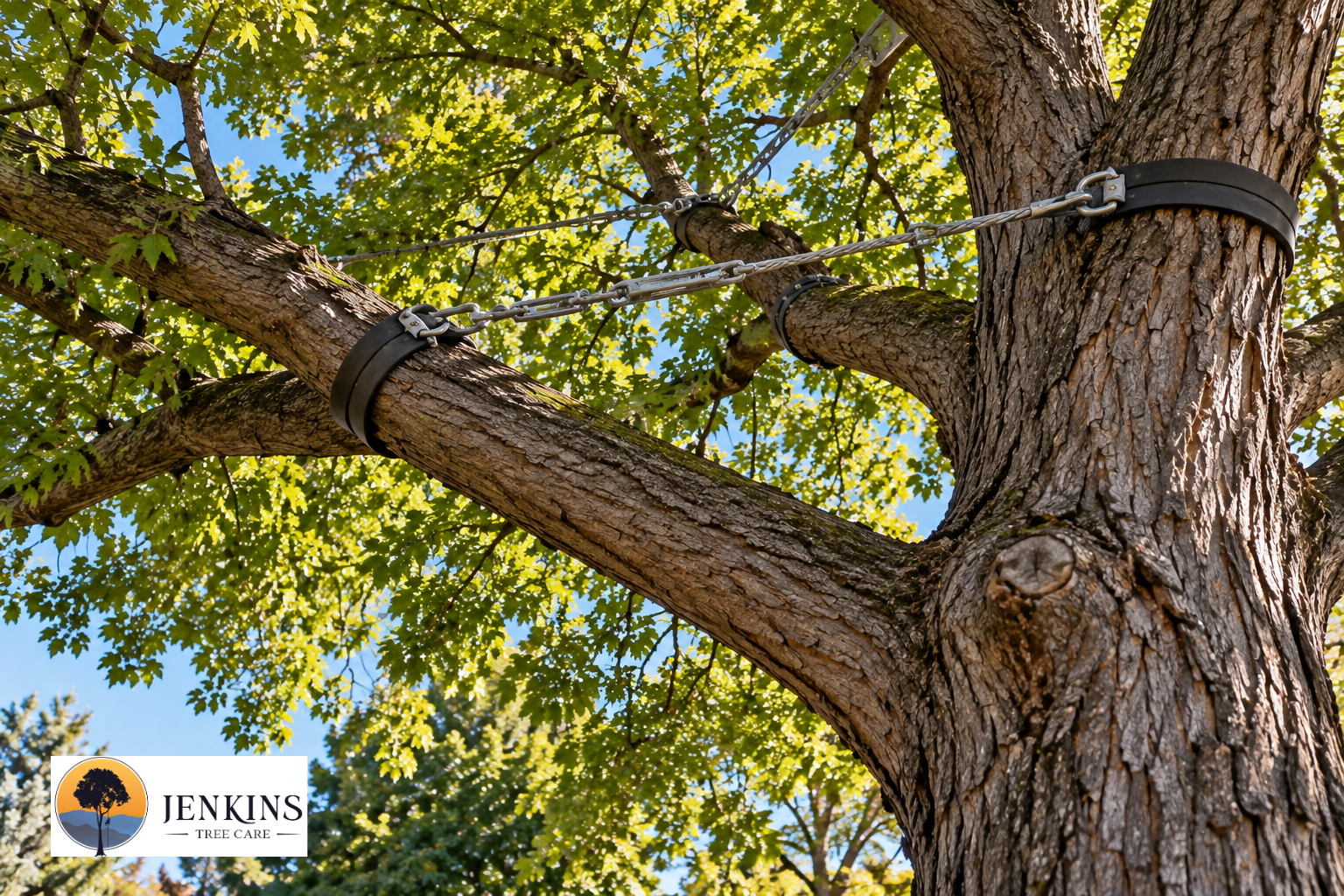
Some trees don’t need to be removed, but they do need support. Cabling and other structural support methods can help stabilize split limbs or weak unions when the tree still has good long-term potential. These techniques are especially useful for mature trees that offer shade, character, or landscape value. They aren’t a cure for every problem, but they can be part of a thoughtful preservation plan.
Support systems work best when combined with regular monitoring and maintenance. If the tree continues to decline, the support method may need to be reevaluated. An honest assessment of ongoing health is essential, because preservation only makes sense when the tree still has a realistic path forward.
Cleanup and Long-Term Yard Recovery
When a tree loses leaves, twigs, or branches, the surrounding yard often needs cleanup too. Dead material can attract pests, create slip hazards, and make it harder to inspect the rest of the landscape. In more severe cases, leftover debris may hide stumps, root issues, or hidden damage. Professional cleanup can restore order and help you make informed decisions about the property.
If a tree does need to come down, finishing the job properly matters. Services like stump grinding can help reclaim space and reduce the chances of regrowth or trip hazards. Complete cleanup also creates a better starting point for replanting or redesigning the area later.
Examples of What Early Leaf Drop Can Mean in Real Life
Case 1: Summer Drought Stress
A homeowner notices that one maple tree is dropping leaves in July while other shade trees on the same property still look healthy. The leaves are curling and turning dull before falling. A closer inspection reveals dry, compacted soil and a lack of deep watering during a long hot spell. In this case, the problem may be recoverable with improved irrigation, mulch, and ongoing monitoring.
The key lesson is that early leaf drop doesn’t always mean immediate death. It can be the tree’s attempt to survive a temporary environmental stressor. Quick attention often improves the outcome.
Case 2: Root Disease or Decay
A different tree begins thinning at the crown and losing leaves earlier each year. Even after rain, the tree never fully recovers. An inspection reveals root decay and signs of trunk compromise. In this scenario, the early leaf loss was only one symptom of a deeper structural problem. The tree may no longer be safe to keep in place.
This type of case shows why visible symptoms should never be dismissed. When decline repeats from season to season, the root cause may be worsening beneath the surface. At that point, a professional recommendation becomes essential.
Case 3: Pest Pressure on a Stressed Tree
Another homeowner sees leaf spotting, partial defoliation, and small holes in the canopy. The tree is in a tight landscape bed with heavy competition from nearby plants. A pest population has moved in, but the tree was already weakened by poor growing conditions. Treatment may help, but long-term recovery also depends on improving the site.
These real-world examples show why tree health is rarely caused by just one factor. Most problems develop over time through a combination of stress, environment, and biology. That’s why professional diagnosis matters more than guessing.
When to Call for Help
Signs That Need Prompt Attention
Call a tree care professional if early leaf drop is paired with branch dieback, cracks in the trunk, fungal growth, leaning, exposed roots, or large dead limbs. These symptoms may indicate a higher level of risk. If the tree is near a structure or high-use area, waiting can make the problem more dangerous and more expensive to address.
Homeowners should also call sooner if the decline seems to be spreading quickly. Fast changes often point to a more active issue such as disease, storm damage, or severe root stress. Timely action is almost always the better choice.
Why Local Expertise Matters
Local tree care experience is valuable because climate, soil, and common species vary from place to place. Trees in western North Carolina face specific conditions that influence growth, moisture, and storm resilience. Working with a company that understands those local patterns helps improve diagnosis and treatment planning. For homeowners looking for dependable tree service in Asheville, local expertise can make the difference between guessing and solving the real issue.
That’s especially true when a tree’s decline seems minor at first but keeps returning. A knowledgeable team can evaluate whether the tree should be monitored, pruned, supported, or removed. The right recommendation should always balance safety, tree health, and the homeowner’s long-term goals.
Frequently Asked Questions About Early Leaf Drop
Is Early Leaf Drop Always a Sign of Disease?
No. Early leaf drop can be caused by drought, pests, root damage, soil compaction, transplant shock, or disease. The leaves are only one part of the diagnosis, so the cause should be evaluated in context. A professional inspection can help rule out simple seasonal change and identify whether treatment is needed.
Can a Tree Recover After Losing Leaves Too Early?
Yes, if the underlying cause is found and corrected in time. Some trees bounce back after better watering, pruning, or pest management. Others may need more intensive care or monitoring over several seasons. Recovery depends on how severe the damage is and how quickly the issue is addressed.
Should I Fertilize a Tree That Is Losing Leaves?
Not automatically. Fertilizing without knowing the cause can sometimes make matters worse, especially if root damage or disease is involved. It’s usually better to diagnose the problem first and then choose the right treatment. In many cases, the most effective solution is not fertilizer, but correcting water, soil, or structural issues.
Protecting Tree Health Before Small Problems Become Big Ones
Early leaf drop is one of the most useful warning signs a tree can give you. It may indicate drought stress, pest activity, disease, or deeper root problems, and the sooner you respond, the better the odds of preserving the tree. A careful inspection, thoughtful maintenance, and timely action can often make the difference between recovery and decline.
If you’re noticing leaf loss that seems out of season or unusually heavy, don’t wait until the tree becomes brittle or dangerous. Jenkins Tree Care can help evaluate the situation, explain your options, and recommend the right solution for your property. From tree pruning and tree trimming to tree removal and cleanup, the goal is always to protect your yard and your safety. If you want professional guidance, now is the time to take the next step and schedule an assessment before the warning signs get worse.