Your Guide to Professional Tree Care: Keep Your Yard Safe and Healthy
Trees can really make a yard pop, but they need regular care to stay safe and look good. Whether you're dealing with wild branches, a leaning trunk, storm damage, or an annoying stump, professional tree service can make a big difference in your landscape. In this guide, we'll talk about what professional tree care involves, how to spot issues early, and why taking a proactive approach can save you time, money, and stress in the long run.
For homeowners seeking reliable help, services like tree trimming and tree pruning are often the first steps toward healthier growth and better curb appeal. If a tree becomes dangerous or can't be saved, tree removal might be the best option. Throughout this article, we'll also reference practical standards from trusted sources like the International Society of Arboriculture and storm-preparedness guidance from Ready.gov so you can make informed decisions.
Why Professional Tree Care is More Important Than You Think
Safety Comes First
Tree care isn't just about looks. Weak limbs, dead branches, and shaky roots can turn a lovely tree into a hazard. When heavy winds, ice, or rain hit, small issues can become big problems. A professional tree service helps spot these risks early on and reduces the chance of damage to homes, vehicles, fences, and walkways.
Safety also matters when you're doing the work. Cutting trees without the right gear or training can be dangerous, especially when chainsaws, ladders, and falling branches are involved. Trustworthy crews use techniques designed to protect people and property, and they know when a tree can be saved and when removal is the smarter choice.
Healthy Trees Grow Better Over Time
Regular maintenance is key to extending the life of your trees. Proper pruning removes dead, diseased, or crossing branches so the tree can focus its energy on growing strong and healthy. This also improves airflow and sunlight exposure, which can reduce the chance of disease and pests. The result? A tree that not only looks great but also has a strong structure for the future.
Tree health is especially crucial for mature landscapes, where one decline can throw off the whole yard's balance. A careful plan that includes pruning, trimming, cabling when needed, and regular inspections creates a more resilient yard. Jenkins Tree Care’s tree cabling service can help support weak limbs and preserve valuable trees that still have long-term potential.
How to Tell When Your Trees Need Help
Warning Signs You Should Never Ignore
Many homeowners wait until a tree looks clearly damaged before asking for help, but early warning signs often appear long before major failure. Common signs include dead branches in the canopy, splitting bark, fungus growing near the trunk base, sudden leaning, and branches rubbing against each other. These symptoms may signal decay, structural weakness, or stress from weather or soil issues.
Another clue is change over time. If a tree that used to leaf out well now looks thin, sparse, or delayed, it may be under stress. Premature leaf drop can also suggest deeper issues. For more insight, check out our guide on early leaf drop and tree stress, which explains why timing matters and when a tree may need a professional look.
Storm Damage That Might Be Hard to See
After strong winds or heavy rain, a tree can look fine from a distance while hiding cracked branches, split trunks, or unstable roots. These problems are often harder to spot if debris is blocking the view or if the damage is high in the canopy. A quick look from the ground is helpful, but it's not enough to fully determine whether a tree is stable.
That's why storm cleanup needs to be done carefully. According to FEMA, storm preparation and post-storm safety are important when hazards are present. If you're unsure whether a tree can be saved, a qualified arborist can explain whether trimming, cabling, or removal is the next best step.
Understanding Tree Trimming, Pruning, and Cabling
Tree Trimming for Shape, Safety, and Clearance
Trimming is often the most visible type of maintenance. It focuses on reducing overgrowth, improving clearance around roofs and power lines, and keeping branches from crowding structures, sidewalks, or driveways. Trimming can also improve curb appeal by restoring balance to a tree that has grown unevenly. For many properties, this service is the quickest way to make a yard feel cleaner and more open.
Well-timed trimming is also a preventative measure. When limbs are allowed to extend too far or hang too low, they are more likely to break in storms or interfere with daily use of the property. If your trees are getting too close to the house or blocking key outdoor areas, professional tree trimming in Asheville can help restore safe spacing without harming the tree’s natural form.
Tree Pruning for Long-Term Structure and Health
Pruning is more selective than trimming. It removes problematic branches while improving the tree's overall framework. A skilled crew looks for weak attachments, competing leaders, deadwood, and limbs that might become hazards in the future. The goal is to guide the tree toward stronger, healthier growth.
Arborists generally follow established standards when making pruning decisions, and those standards are worth understanding. The ISA’s pruning guidance explains why correct cuts matter and how poor cuts can create long-term problems. This is one reason it pays to work with experienced professionals rather than treating pruning as a simple DIY task.
Tree Cabling for When Preservation is Possible
Sometimes a valuable tree has a split trunk or major limb that needs extra support. In those cases, cabling can reduce movement and distribute stress more evenly. This isn't a fix for every tree, but it can be a great solution when removal would be premature, and the tree still has meaningful life left. Cabling is especially useful for mature landscape trees with sentimental or aesthetic value.
The key is that cabling should be paired with a full assessment. A support system works best when the tree still has a sound structure and the underlying issue is manageable. If you're weighing preservation against removal, compare the tree’s condition carefully and ask if support will truly improve safety over time.
When Tree Removal is the Right Choice
Dead, Dying, or Unsafe Trees
Tree removal usually comes up when a tree can't be maintained safely or effectively. That might happen because of severe decay, major trunk damage, root failure, or repeated storm breakage. In some cases, a tree is just too close to a structure or utility line to stay safely in place. Removal can feel disappointing, especially when a tree has been part of the landscape for years, but it’s sometimes the most responsible choice.
The decision should always be based on risk, not looks alone. Some trees seem healthy on the outside while hiding internal decay. Others may have enough visible damage that the risks clearly outweigh the benefits of keeping them. If you’re trying to evaluate a questionable tree, Jenkins Tree Care’s tree removal service can provide a safe, careful plan for handling hazardous or unwanted trees.
Removing Trees for Property Improvement and Construction
Not every removal is caused by failure. Sometimes a tree has to be removed because it blocks a project, interferes with drainage, shades out a garden, or limits usable space. In these cases, removal can improve how the property functions while opening up new design possibilities. The key is to make sure the work is done cleanly so the surrounding landscape can recover and remain attractive.
After removal, many homeowners overlook the stump and leftover debris, which can create hazards and make the area harder to use. That’s why stump grinding and brush cleanup are often part of a complete service plan. When the job is finished properly, the yard is easier to mow, safer to walk through, and ready for future planting or hardscaping.
The Role of Stump Grinding and Brush Removal
Why Stump Grinding Matters
A leftover stump can be more than an eyesore. It can attract insects, create tripping hazards, interfere with landscaping, and make mowing difficult. In some yards, the stump remains the most noticeable reminder of the old tree long after removal. Grinding it below grade helps reclaim the space and makes the property feel finished again.
For homeowners who want a clean result, stump grinding is one of the most practical upgrades to include after tree removal. It also reduces the chance of regrowth from stubborn roots in certain species. If you want to make the area safer and more usable, it’s usually worth handling the stump at the same time as the rest of the work.
Brush Removal for a Cleaner, Safer Property
Brush, limbs, and debris can pile up quickly after pruning, removal, or storm cleanup. Even when the major tree work is complete, leftover material can make a property feel cluttered and difficult to manage. Brush also tends to conceal hazards, from uneven ground to sharp branches, and it can create a maintenance burden if it’s left in place too long.
Professional cleanup turns a rough-looking job site back into a usable yard. That’s especially helpful for homeowners who are trying to improve curb appeal, prepare for a sale, or simply enjoy a more open outdoor space. If overgrowth is becoming a problem, brush removal can quickly restore order and make the property easier to care for throughout the year.
What to Expect During a Tree Service Visit
Inspection, Planning, and Safety Setup
A quality tree service visit starts with a detailed look at the tree and surrounding area. The crew should consider the tree’s health, size, species, proximity to structures, and any obstacles that may affect the work. This planning phase helps determine whether pruning, trimming, cabling, or removal is the best solution. It also allows the team to prepare the right equipment and minimize disruption.
Safety setup is another essential part of the process. Crews may establish drop zones, protect nearby surfaces, and communicate with the homeowner about access and timing. The goal is to complete the work efficiently while limiting risk and keeping the property as clean as possible.
Efficient Work and Careful Cleanup
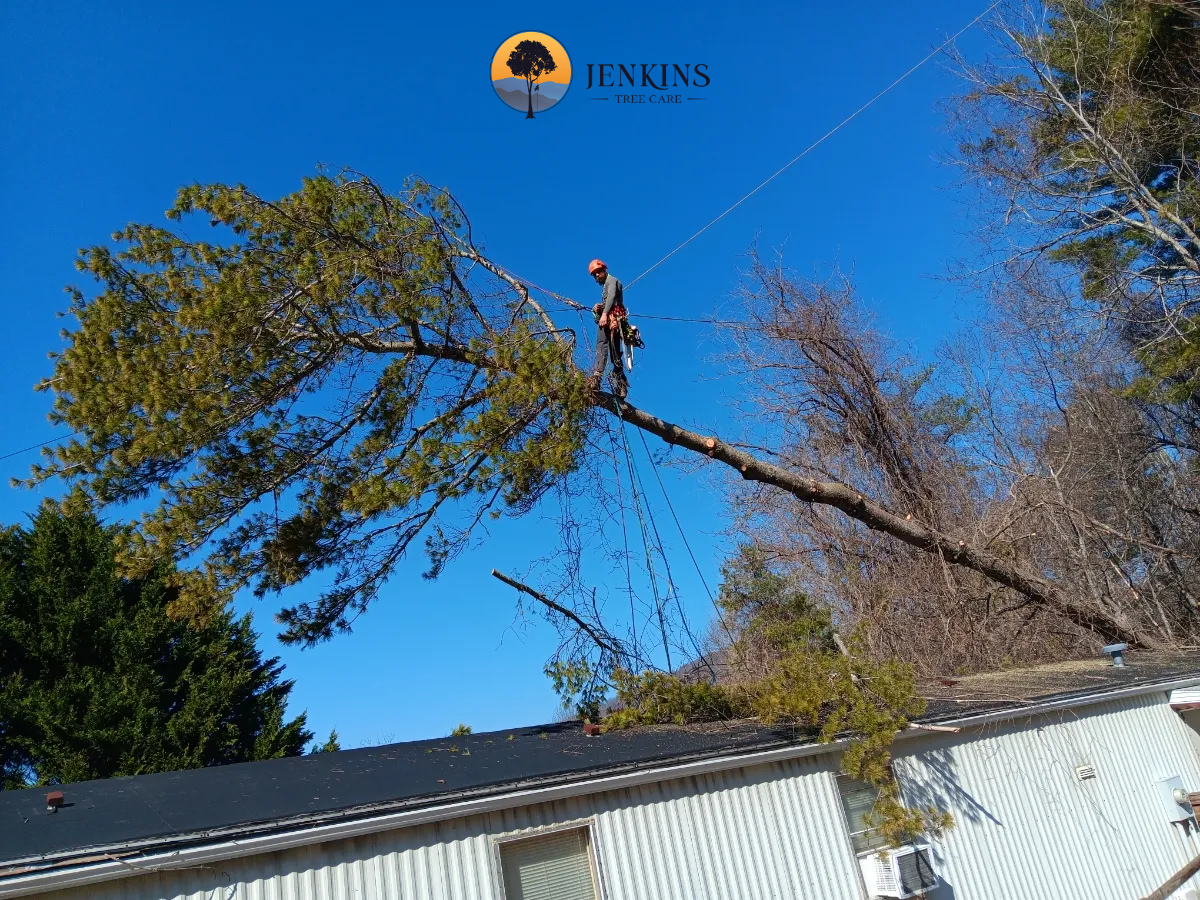
Once the plan is in place, the actual tree work should move in a controlled sequence. Branches are often removed in sections, rather than all at once, so the crew can manage weight and direction. This is especially important when working near roofs, fences, gardens, or driveways. A thoughtful approach makes the job safer and helps avoid unnecessary damage.
Cleanup is just as important as the cutting itself. Chips, limbs, and debris should be removed or organized according to the homeowner’s preferences. A professional crew respects the property from start to finish and leaves it in better condition than they found it.
How Preventive Tree Care Protects Your Investment
Lower Long-Term Costs
Preventive maintenance might seem optional when trees look fine, but it often reduces the chance of expensive emergency work later. A small issue caught early is usually less costly to address than a broken limb, storm collapse, or failed trunk that causes property damage. Regular pruning and inspections can prevent bigger complications before they start.
There is also a practical cost to neglect. When trees become overgrown, they may require heavier work, more equipment, and more labor to manage safely. A maintenance plan spreads care over time, which is generally easier on both the trees and the budget.
Better Curb Appeal and Property Value
A well-maintained yard sends a clear message that the property is cared for. Trees that are shaped properly, free of deadwood, and balanced within the yard can dramatically improve first impressions. This matters whether you plan to stay in your home for years or are thinking about selling in the near future.
Tree care can also support the overall feel of the property. Healthy canopies provide shade, define outdoor spaces, and make a yard feel more polished. That is why many homeowners treat tree service as a form of property care rather than a one-time fix. For more perspective on the value of professional tree care, see our related post on how healthy trees enhance property value and curb appeal.
Choosing the Right Tree Service Company
Look for Insurance, Experience, and Clear Communication
Not all tree companies offer the same level of professionalism. Before hiring anyone, ask whether the company is insured, what kind of experience the crew has, and how they handle safety. Clear communication is also important, especially when the work is complex or involves multiple trees. A dependable company should be able to explain the plan in plain language.
It also helps to choose a team that respects both the tree and the property. The best crews understand how to balance aesthetic goals with safety concerns, and they know when a conservative approach is better than an aggressive one. That balance is what turns a tree job into a lasting improvement.
Ask About Sustainable Practices
Tree care can be done in a way that supports the environment. Responsible crews look for opportunities to preserve healthy trees, recycle wood chips, and avoid unnecessary removal. They may also recommend maintenance strategies that extend tree life rather than replacing mature trees too soon. This approach keeps landscapes greener and more resilient.
Sustainability is especially relevant in areas where mature trees provide shade, erosion control, and habitat benefits. A thoughtful tree service company should consider these factors as part of its recommendations, not as an afterthought. Choosing preservation when possible and removal when necessary creates a more balanced result for the property and the surrounding environment.
Frequently Asked Questions About Tree Service
How Often Should Trees Be Inspected?
Most properties benefit from a visual tree check at least once a year, plus additional inspections after major storms. Mature trees, trees near structures, and trees with previous damage may need more frequent attention. If you notice sudden changes in leaf production, branch structure, or trunk condition, it’s wise to schedule an evaluation sooner rather than later.
Is Pruning the Same as Trimming?
People often use the terms interchangeably, but they’re not exactly the same. Trimming usually refers to reducing size and improving clearance, while pruning focuses more on plant health, structure, and the selective removal of problematic limbs. Both services are important, and the best choice depends on the tree’s condition and your goals for the property.
Can a Damaged Tree Always Be Saved?
Not always. Some trees can be preserved with pruning, cabling, or targeted care, while others are too compromised to remain safe. The age of the tree, the extent of the damage, the species, and the location all play a role in the final recommendation. A professional assessment is the best way to determine whether saving the tree is realistic.
What Should I Do After a Storm?
Stay clear of hanging limbs, damaged trunks, and any tree touching utility lines. Do not attempt to cut large branches yourself if the situation is unstable. Document visible damage if it is safe to do so, then contact a qualified tree service. If you are uncertain whether the tree poses an immediate hazard, err on the side of caution and avoid the area until it has been assessed.
Why Homeowners Trust Jenkins Tree Care
Family-Owned Service with a Local Mindset
Jenkins Tree Care is built on the kind of customer-first approach that homeowners appreciate: careful work, honest recommendations, and attention to detail. As a family-owned business serving Asheville, Brevard, and surrounding communities, the team understands that every property is different. That is why the company focuses on customized solutions instead of one-size-fits-all tree care.
Whether the job involves routine maintenance or a complex hazard removal, the goal is the same: protect the property, support tree health when possible, and leave the site cleaner than before. Homeowners who want dependable help can reach out directly for guidance, a quote, or a plan tailored to their needs. You can learn more about the company’s approach by visiting the main site at Jenkins Tree Care.
A Full-Service Approach That Saves Time
One of the biggest advantages of working with a full-service tree company is convenience. Instead of hiring separate providers for pruning, removal, stump grinding, and debris cleanup, you can work with one team that understands the whole property. That makes scheduling easier and helps ensure a more cohesive final result.
It also means fewer gaps in the process. When the same crew evaluates the tree, performs the work, and handles cleanup, the homeowner gets better consistency and clearer communication. That’s especially useful when the job involves multiple trees or a mix of urgent and preventative tasks.
Final Thoughts and Next Steps
Tree service is about more than cutting branches. It is about protecting people, preserving valuable trees when possible, and keeping outdoor spaces functional and attractive. A proactive approach with regular inspections, selective pruning, timely trimming, and smart removal decisions can prevent problems before they become expensive or dangerous. When the work is done well, your property feels safer, cleaner, and easier to enjoy.
If you have trees that need attention, don’t wait for a branch to fall or a trunk to fail before taking action. Start with a professional evaluation, ask questions about the best options, and choose a company that values safety, sustainability, and clear communication. For help with everything from tree pruning to tree removal, Jenkins Tree Care is ready to help you protect your landscape and make confident decisions about your trees. Reach out today to take the next step toward a healthier property.