Just because a tree looks healthy doesn't mean it's safe. Hidden decay, weakened roots, or a sudden storm can turn a seemingly stable tree into a big problem. Spotting these warning signs early can protect your home and family.
This guide helps you figure out if a tree might be risky, what arborists check for during an inspection, and when it might be time to get professional help. Preventive care, like tree pruning and tree trimming, often reduces risk before things get out of hand.
For folks in western North Carolina, local weather, steep terrain, and mature trees make regular check-ups even more important. The goal isn't to cut down every tree, but to make smart decisions based on a tree's condition and surroundings. Often, careful assessment and targeted maintenance can preserve a valuable tree while minimizing the risk of property damage.
Understanding Tree Risk Assessment
Risk: It's About Likelihood and Consequence
Tree risk assessment is about figuring out the chance that a tree, or part of it, might fail and cause harm. Arborists don't just look for bad-looking trees; they consider how likely it is to fail, which part might fail, and what could be damaged if it does. A tree leaning away from a driveway may be less concerning than one leaning over a roof or power line.
The International Society of Arboriculture has guidelines for tree risk assessment to make inspections more consistent and useful for property owners. These methods help turn vague concerns into actionable steps, whether that means monitoring, pruning, cabling, or removal.
Visual Checks Are Just the Beginning
Homeowners usually notice obvious signs first: dead limbs, split trunks, or mushrooms at the base. These are helpful clues, but the real risk isn't always visible from the ground. Internal decay, compromised roots, and subtle structural defects can exist long before a tree shows dramatic symptoms. That's why a basic walk-around is just the start, not the whole story.
A certified arborist often combines visual inspection with a closer look at the root zone, branch unions, and the tree’s history. If the tree is near a home or outdoor living space, even moderate defects may justify proactive care.
Warning Signs That a Tree May Be Hazardous
Cracks, Splits, and Weak Branch Unions
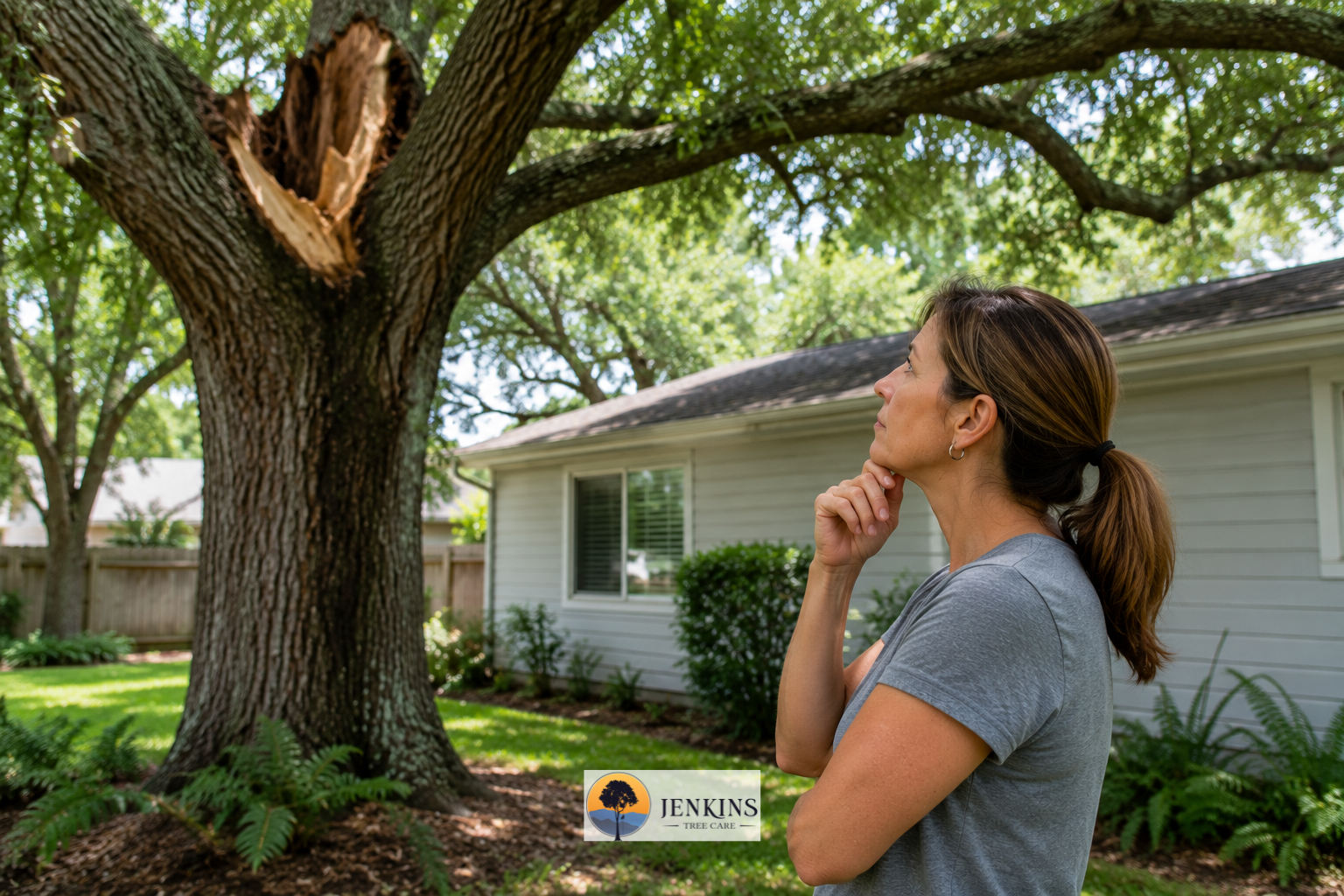
Cracks in the trunk or major limbs can mean the tree is under stress or already failing. Deep vertical cracks, open seams, and splitting where limbs meet the trunk need immediate attention. Weak branch unions, especially those with included bark, are common failure points during high winds or heavy rain.
These issues might not be urgent emergencies, but they shouldn't be ignored. A tree can stand for years with a visible defect, then fail suddenly during a storm. If the branch or trunk is positioned above a home, patio, fence, or vehicle area, getting a professional opinion becomes even more important.
Leaning, Root Exposure, and Soil Movement
A leaning tree isn't necessarily dangerous, as many species naturally grow at an angle. The concern rises when a lean is new, worsening, or paired with lifted soil, exposed roots, or cracked ground on one side. These signs can point to root instability, especially after heavy rain or construction work.
According to the Arbor Day Foundation, visible structural concerns and root problems should prompt a closer inspection. This advice is especially relevant where soil conditions shift quickly, like on sloped or saturated properties. When roots lose their grip, the entire tree can become less predictable.
Dead Wood, Fungal Growth, and Hollow Areas
Dead branches might seem like a minor issue, but they often indicate decline or poor canopy health. Large sections of dead wood can break unexpectedly, especially when stressed by wind or ice. Fungal conks, mushrooms near the base, or soft areas in the trunk may suggest internal decay that can’t be confirmed from a glance.
Hollow sections aren't always automatic reasons for removal, as some trees can compartmentalize decay and remain stable. Still, a hollow trunk combined with other defects can raise the level of risk significantly. The best next step is an assessment by a professional who can judge the severity based on species, size, location, and remaining sound wood.
How Weather and Local Conditions Affect Tree Safety
Storms Increase the Need for Inspection
Severe weather is a big trigger for tree failure. High winds, saturated soils, and lightning can all stress trees beyond their normal load. After a storm, a tree may look intact but still have damaged roots, cracked limbs, or internal fractures that aren't obvious right away.
This is one reason arborists recommend regular inspections after major weather events. Research shows that regular evaluation and maintenance can reduce the likelihood of incidents and lower long-term costs. For property owners, catching problems early is often cheaper and safer than waiting for an emergency callout.
Construction and Grading Can Quietly Destabilize Roots
Tree roots need oxygen, room, and stable soil. When grading, trenching, or heavy equipment changes the soil around a tree, the root system may be damaged even if the trunk still looks healthy. These impacts are easy to miss because the visible injury may not appear until months later.
If you've remodeled, installed drainage, or changed the hardscape around your yard, it's smart to have a tree checked. In those cases, tree cabling might be recommended for certain valuable trees with structural weaknesses, especially if they're worth keeping. A targeted support system can sometimes extend the safe life of a tree without removing it.
Western North Carolina Terrain Adds Complexity
In areas with uneven grades and mixed soil conditions, tree stability depends on more than species and size. Slopes can increase the odds of root movement, while concentrated runoff can weaken the ground around the trunk. That makes local knowledge important, because a tree that seems manageable on flat land may need a different approach on a hillside property.
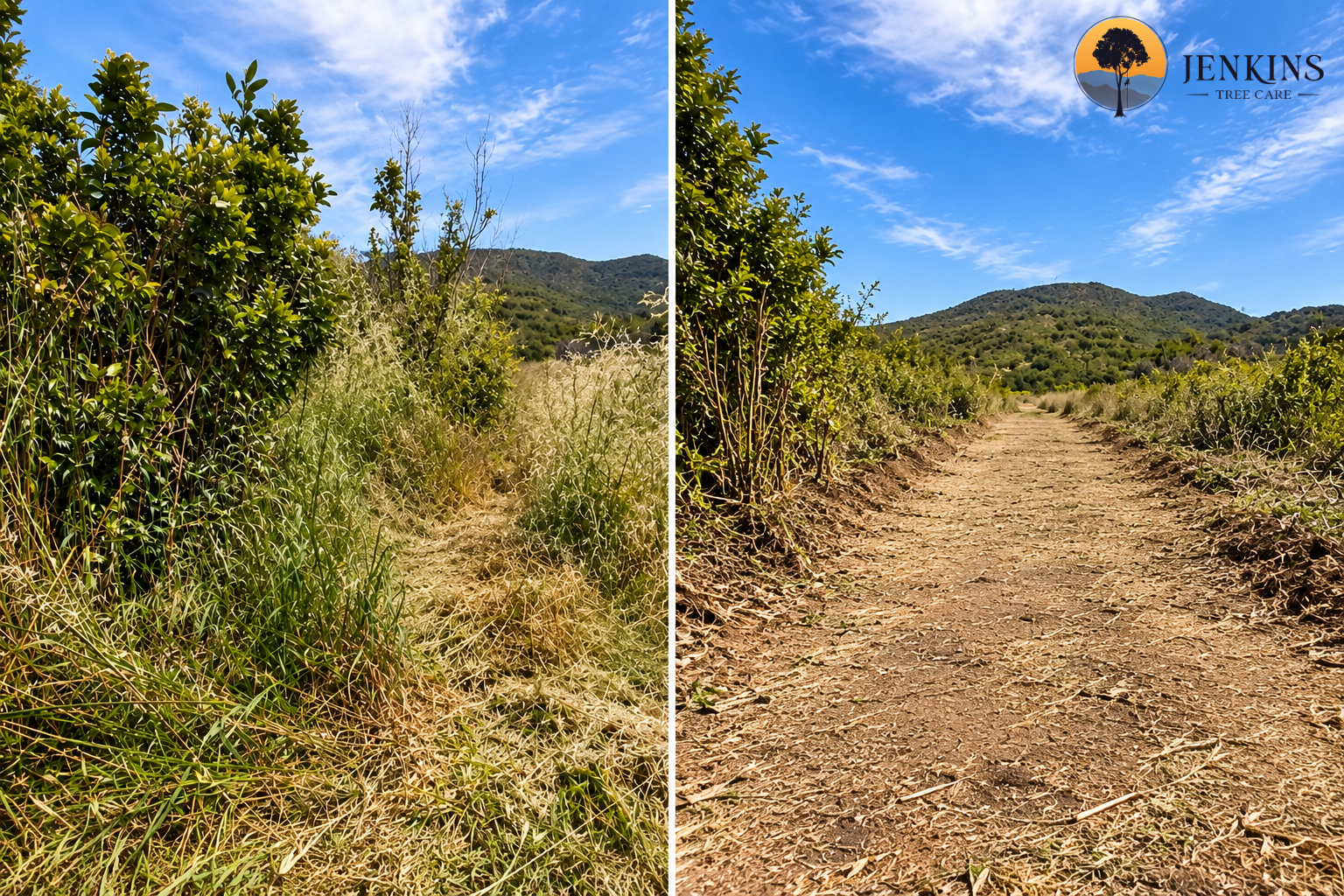
For homeowners wanting a comprehensive plan, local tree care often works best when it blends assessment, pruning, and site-specific maintenance. If debris or overgrowth is part of the problem, brush removal can also improve visibility and make it easier to identify hazards before they escalate.
What Certified Arborists Look For During an Evaluation.
Tree Structure and Load Distribution
Certified arborists examine how the tree carries weight from the trunk to the canopy. They look for co-dominant stems, narrow branch angles, unbalanced canopies, and limbs that extend far beyond the tree’s natural support pattern. These issues can increase the force on attachment points during wind or snow.
Structure matters because a tree is only as strong as its weakest connection. Even a healthy crown can become a liability if its architecture is poor. That's why strategic pruning is often part of a risk-reduction plan, not just a cosmetic improvement.
Species, Age, and Historical Stress
Different species fail in different ways. Some trees are more prone to brittle branches, while others are vulnerable to root loss or trunk rot. Age also matters, as mature trees can be both valuable and more likely to show accumulated stress from drought, storms, or repeated pruning mistakes.
Arborists also consider whether a tree has experienced past injury. Lightning strikes, improper topping, root disturbance, and old storm damage can all weaken a tree long before it becomes visibly unstable. A good evaluation takes the tree’s entire history into account, not just its current appearance.
Targets Beneath the Canopy
A tree doesn't need to be perfect to be acceptable in every setting. Risk rises when the target beneath the tree is of high value, like a home, parking area, playground, or outdoor seating space. The same defect that would be tolerated in a remote corner may require action near a house.
That's why professional judgment matters. Arborists balance the probability of failure against the consequences of failure. In practice, the safest recommendation isn't always the most aggressive one, but the one best matched to the site.
Can You Assess a Tree Yourself?
What Homeowners Can Safely Check
Property owners can do a useful first inspection by looking for obvious warning signs from the ground. Check the trunk for cracks, observe whether the canopy is missing large sections, and look for hanging dead limbs. Walk around the base to see if roots are exposed, soil is heaving, or the trunk is buried too deeply by mulch or fill.
These observations are valuable because they help you decide whether to call a professional. They also let you monitor changes over time. If a tree looks different after storms or nearby construction, that shift matters more than a single snapshot.
What Should Be Left to Professionals
Homeowners shouldn't climb a tree to inspect it, probe suspect limbs without training, or try to judge internal decay based on appearance alone. These tasks can be dangerous and may lead to false confidence. A tree can look solid while hiding a significant weakness inside.
Professional assessment becomes especially important when a tree is near structures, has a history of decline, or shows signs that could suggest root failure. In those cases, the safest next step is a direct evaluation by an experienced arborist. That expertise helps you avoid guesswork and make decisions based on evidence.
When Tree Care Can Reduce Risk Without Removal
Pruning for Better Structure and Clearance
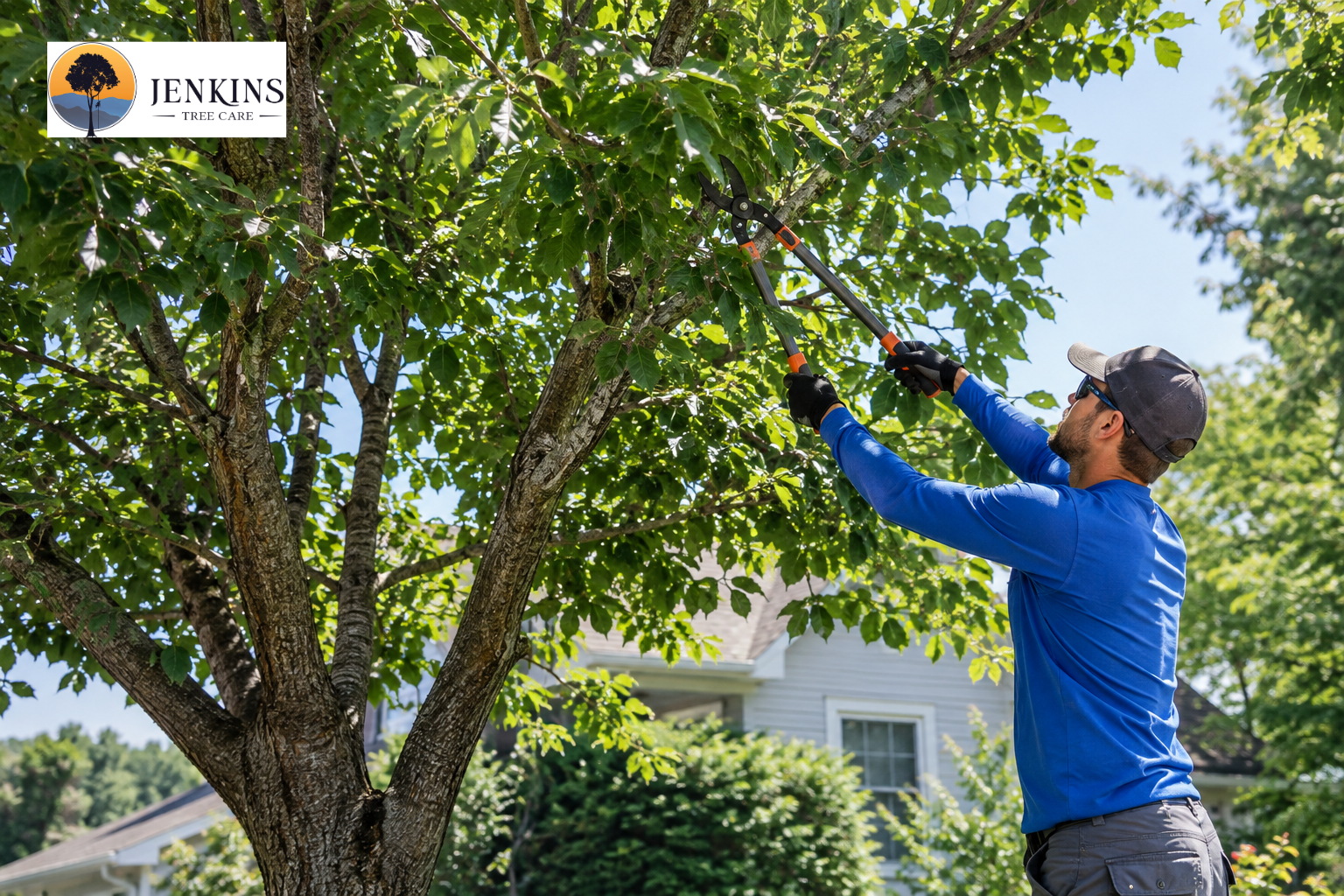
Many trees don't need to be taken down if the main issue is crowding, deadwood, or uneven weight distribution. Targeted pruning can remove weak limbs, open the canopy, and reduce the force of wind on the crown. It can also improve clearance around roofs, walkways, and driveways.
Well-planned pruning is one of the most effective ways to extend a tree’s useful life while improving safety. If your tree has minor defects but is otherwise valuable, tree pruning might be the right middle ground between doing nothing and removing the tree entirely. In many cases, that balance is the most cost-effective option.
Cabling and Bracing for Valuable Trees
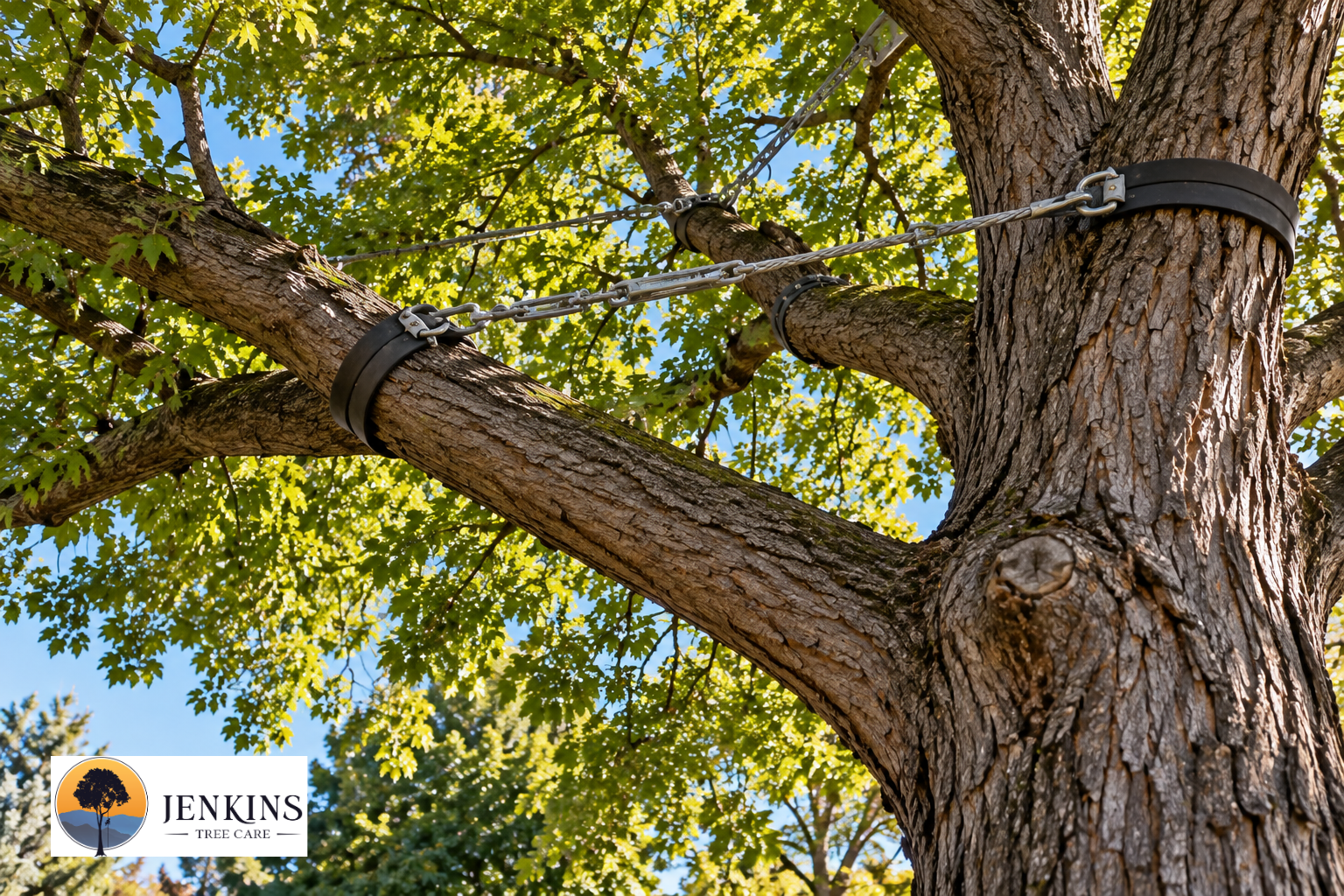
Cabling and bracing are support methods used for certain trees with split trunks, weak unions, or heavy limbs. These techniques don't make a tree invincible, but they can reduce movement and lower the chance of failure. They're most useful when the tree has ornamental, environmental, or sentimental value and still has good overall structure.
Before installing support hardware, an arborist should determine whether the tree is a good candidate. Not every weak tree should be saved, but some can remain safe with the right reinforcement. That's where professional assessment and ongoing monitoring become essential.
When Stump and Debris Removal Help the Overall Site
Sometimes the risk isn't the standing tree but the aftermath of earlier damage. Broken limbs, piled debris, and leftover stumps can create trip hazards, attract pests, and make it harder to maintain the yard. In those situations, clean-up work can restore usability and reduce secondary problems.
If a hazardous tree has already been removed, stump grinding can help reclaim the space and make future landscape planning easier. Combined with careful cleanup and monitoring, the property becomes safer and easier to manage.
How Often Should Trees Be Assessed?
Annual Inspections Are a Smart Baseline
Most property owners benefit from having important trees inspected at least once a year. Annual checks provide a baseline, making it easier to spot changes in structure, canopy density, or root condition. They also allow small issues to be addressed before they grow into expensive problems.
The frequency may need to increase if the tree is large, close to a building, or previously damaged. Annual evaluation is also helpful for properties with many mature trees, because small changes can accumulate quickly across a landscape.
Storms, Construction, and Visible Change Should Trigger a Check
Don't wait for the calendar if conditions have changed. After a major storm, visible lean, cracked bark, root exposure, or sudden dieback should prompt a new assessment. Construction activity nearby is another reason to recheck trees, especially if excavation or soil compaction occurred.
As a practical rule, any noticeable change in tree health or posture deserves attention. If you're unsure whether a change is normal, it's wiser to ask than to assume. Early consultation often prevents bigger trouble later.
Real-World Example: Preventing Damage Before It Happens
A Mature Shade Tree Near a Roofline
Imagine a mature tree with a full canopy overhanging a home. At first glance, it looks healthy, but a closer inspection reveals a narrow branch union and a few dead limbs. Because the tree sits near a roofline and a driveway, the consequences of failure would be significant.
In that case, an arborist might recommend pruning to remove the deadwood, reduce end weight, and improve balance. If a split trunk or major decay were also present, the recommendation could shift toward removal. The point is that the decision comes from risk, not appearance alone.
Why Local Expertise Matters in Asheville
In Asheville and nearby communities, mature trees are part of the character of the landscape, but they also require thoughtful care. A family-owned company such as Jenkins Tree Care understands the importance of balancing preservation with safety. Local conditions, tree species, and property layouts all affect the best course of action.
For homeowners wanting a site-specific plan, choosing a professional familiar with the area can make a real difference. That expertise helps identify which trees can be saved, which should be monitored, and which may need tree removal before they cause damage. It's a practical way to protect both your property and your landscape investment.
Frequently Asked Questions About Tree Risk
How Do I Know If a Tree Is Dangerous?
A dangerous tree usually shows one or more warning signs: cracks, significant lean, root damage, fungal growth, dead branches, or a canopy that is suddenly thinning. The key is whether the defect affects stability or is located near something valuable. If the tree could fall on a structure, the risk is higher.
Is a Leaning Tree Always a Problem?
No. Some trees naturally grow at an angle and remain stable for decades. Concern increases when the lean is new, worsening, or paired with soil movement, exposed roots, or canopy loss on one side. A professional can determine whether the lean is harmless or a sign of instability.
Can a Sick Tree Still Be Safe?
Yes, sometimes. A tree can have a disease or minor decline and still be structurally sound for the time being. The question is whether the illness affects the parts of the tree that keep it upright. This is why health, structure, and site conditions must be considered together.
Where Can I Learn More About Tree Safety Standards?
Industry standards and educational resources are useful when you want to understand the basics of tree care. The International Society of Arboriculture provides information on professional arboriculture and risk management, while research from sources like MDPI’s forestry studies shows why proactive assessment can reduce incidents and long-term costs. These resources support the same principle: prevention is better than emergency response.
Choosing the Right Next Step for Your Property
Monitor, Prune, Support, or Remove
Once a tree has been evaluated, the next step is usually one of four paths: monitor it, prune it, add support, or remove it. Monitoring is appropriate when the risk is low and the defect is minor. Pruning or cabling may fit when the tree has correctable issues. Removal becomes necessary when the tree is too unstable, too damaged, or too close to high-value targets.
The right choice depends on evidence, not guesswork. A tree that looks dramatic may still be manageable, while one that appears ordinary may hide serious internal weakness. That's why a professional assessment is the most reliable way to avoid both overreaction and complacency.
Why a Professional Plan Saves Time and Money
Deferred maintenance is often more expensive than preventative care. Emergency tree work can involve urgent response, property cleanup, and added risk to people and structures. By contrast, planned pruning, removal, or support can be scheduled at a convenient time and completed with less disruption.
Professional care also helps preserve healthy trees that add shade, beauty, and value. For many homeowners, the best outcome isn't simply removing hazards but keeping the landscape balanced and safe. That long-term view is what makes routine tree care worthwhile.
Conclusion: Stay Ahead of Tree Hazards
Knowing whether a tree is a risk to your property comes down to paying attention to structure, root health, weather exposure, and location. Cracks, dead limbs, fungal growth, leaning, and soil movement are all signals that deserve a closer look. Even if a tree seems fine from a distance, defects below the surface can change the risk picture quickly.
The safest approach is to inspect your trees regularly, especially after storms or nearby construction, and to involve a certified arborist when the tree stands near structures or shows signs of decline. If you need help deciding whether to prune, support, or remove a tree, Jenkins Tree Care can help you make a smart, safety-focused plan for your property. Consider scheduling an evaluation today so small issues don't turn into costly damage tomorrow.