Healthy Trees Start With Proper Pruning: Give Your Trees the Care They Deserve
Healthy trees don't just happen. They need careful attention, regular check-ups, and the right pruning at the right time. When done right, pruning strengthens a tree, reduces storm damage, improves airflow, and helps it grow strong and balanced. For homeowners aiming for a safer and more appealing yard, pruning is a smart investment, often paired with services like tree pruning and tree trimming for both health and looks.
This guide explains why pruning matters, what good pruning looks like, and how to tell when a tree needs help. We'll also go over common mistakes, the best times for pruning, and when it's time to call in a pro. To back up your tree care knowledge, check out trusted resources like the U.S. Forest Service and university extension guidance on tree pruning that stress the importance of structure, species response, and careful cutting.
Why Proper Pruning Matters for Tree Health
Pruning supports stronger structure
Both young and mature trees benefit from good structural pruning. Removing crossing limbs, weak branches, and competing leaders helps the tree build a stable framework. This matters because trees with poor branching may split, lean, or fall during wind, ice, or heavy rain. A well-pruned tree isn't just prettier; it's usually safer and better prepared for what nature throws at it.
Structural pruning is crucial in residential areas where branches grow near roofs, walkways, driveways, and utility lines. Trees here often face challenges like limited root space or compacted soil. A professional can guide growth early on to prevent future hazards. That's why preventive care often works better than emergency fixes, and why combining pruning with tree cabling can support valuable limbs.
Pruning improves airflow and sunlight
Dense canopies can trap moisture and block sunlight from reaching inner branches and the ground below. Selective thinning through pruning can improve airflow and reduce conditions that foster fungal problems or pests. Better light exposure also benefits turf, shrubs, and shade-friendly plants nearby. The result? A healthier yard and a more open landscape.
Airflow is more important than many realize. When a tree's canopy is crowded, moisture lingers after rain or morning dew, creating a breeding ground for disease. Healthy pruning opens up the canopy just enough to let the tree breathe without stripping it bare. The goal is to boost the tree's long-term health while keeping its natural shape intact.
Pruning helps reduce storm damage risk
Wind and heavy rain are common stressors for trees in the Southeast, and poorly managed branches are often the first to fail. Deadwood, rubbing limbs, and heavy branches can pose a danger during storms. Pruning reduces these weak points before they become a problem, making it a key part of storm readiness, especially for older or exposed properties.
The National Institute of Food and Agriculture highlights how sound tree care supports healthier landscapes and environmental resilience. In a home setting, this means fewer fallen limbs, less cleanup, and reduced risk to people and property. Waiting until after a storm often proves more costly than preventing damage in the first place.
How to Tell If Your Tree Needs Pruning
Dead, broken, or diseased limbs
If your tree has dead or damaged branches, it's a clear sign it needs pruning. These limbs can become brittle, fall unexpectedly, or spread decay deeper into the tree. Look for peeling bark, hollow sections, fungal growth, or branches that aren't leafing out properly. Removing deadwood early often protects the rest of the tree from further decline.
Diseased branches need careful attention too. Some issues are minor, but others can spread if ignored. A professional can determine if pruning is enough or if the problem requires more drastic measures like tree removal. Don't guess when it comes to safety or tree health.
Branches growing too close to structures
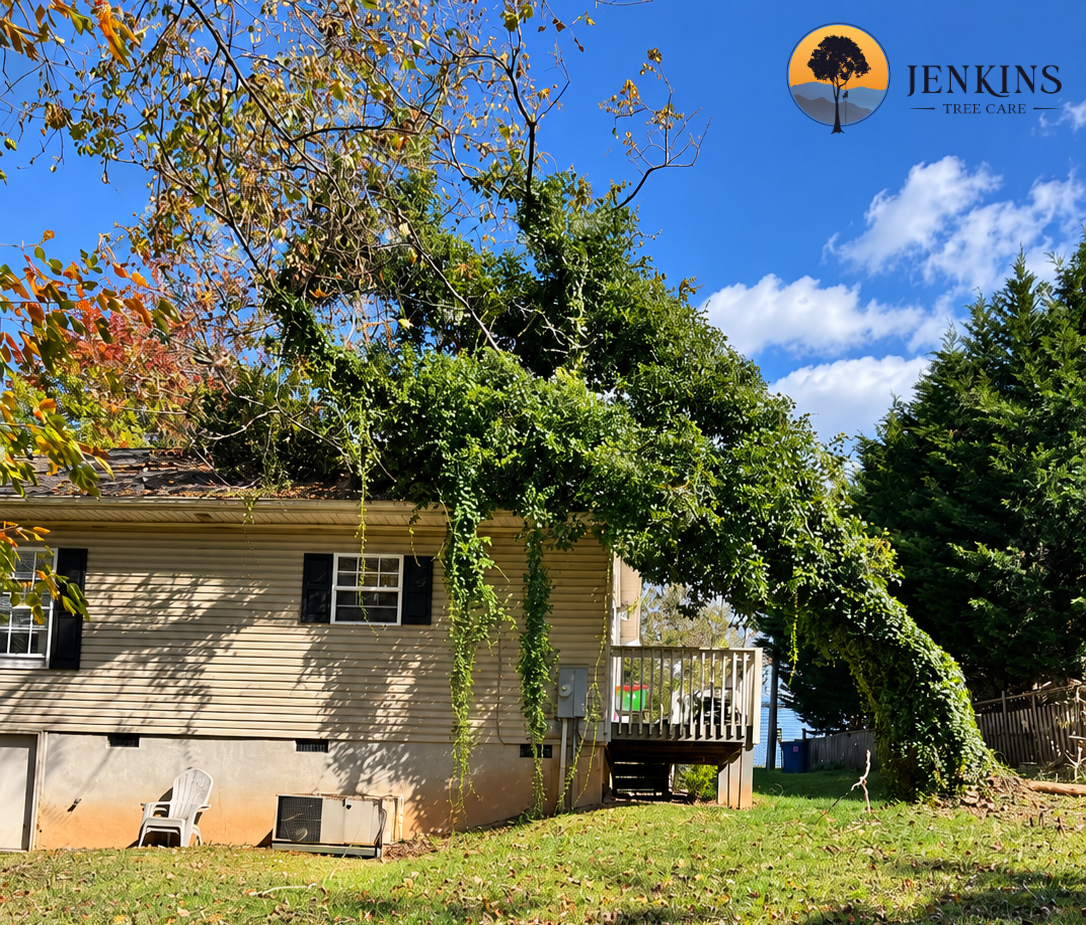
Branches brushing against siding, windows, roofs, or fences can cause damage, block access, and invite pests or moisture. Limbs overhanging walkways or parking areas can also become a liability if they break. Pruning improves clearance and preserves the tree while protecting nearby structures. It's a practical solution for safety and curb appeal.
If you love mature shade trees but want cleaner lines around the home, selective trimming is often the way to go. The result should look intentional, not overdone. Good pruning keeps the tree’s natural form while providing enough clearance for everyday use and maintenance.
Canopy becomes too dense or unbalanced
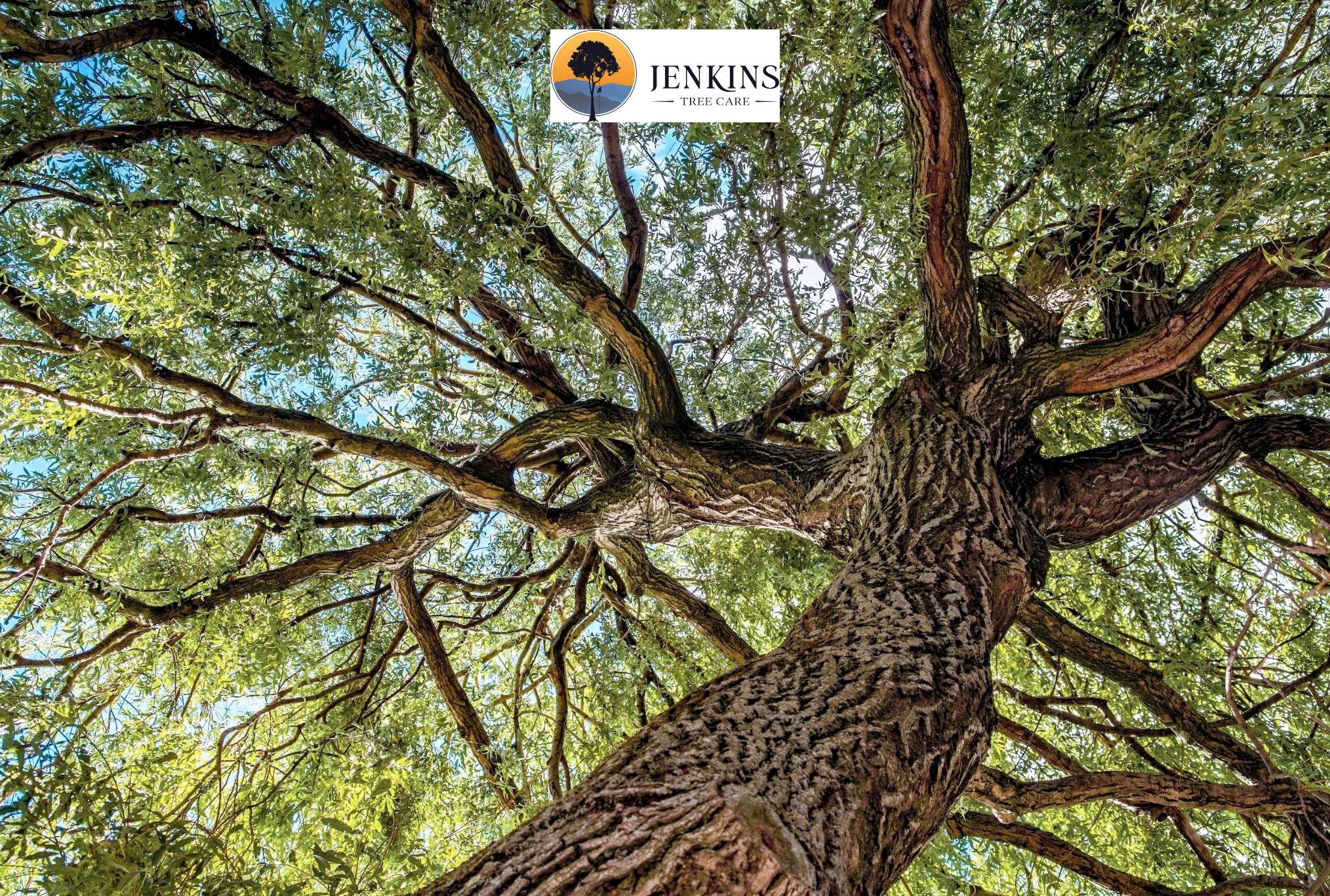
Even healthy trees can need pruning if their canopy is lopsided or too dense. Heavily weighted limbs on one side can strain the trunk or create uneven growth. Dense canopies can also hide issues that only become clear once a professional looks inside. If your tree seems crowded, tangled, or top-heavy, pruning may be needed to restore balance.
Homeowners often notice this when a tree starts shading out nearby plants or dropping small limbs during moderate wind. This suggests the canopy needs thinning or directional pruning. Sometimes, routine maintenance may also involve brush removal around the base to assess the tree and surrounding area more clearly.
The Best Time to Prune Different Types of Trees
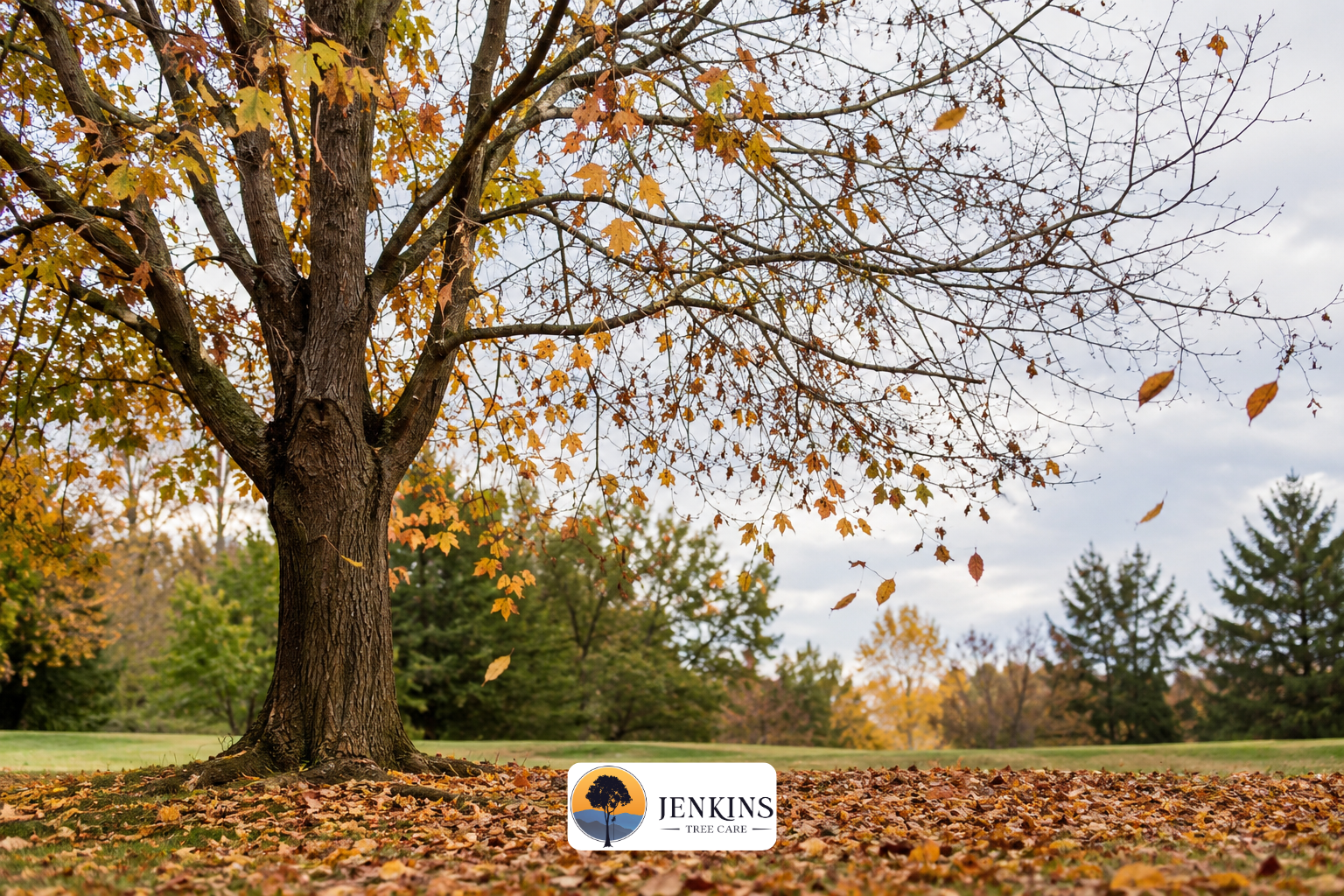
Late winter and dormant-season pruning
For many trees, late winter is a great time for pruning because the tree is dormant and the branch structure is easy to see. Without full leaves, it's simpler to spot weak limbs, crossing branches, and structural issues. Dormant-season pruning also reduces stress for many species and can encourage strong spring growth. That's why many arborists recommend it as a go-to for general maintenance.
Timing still depends on species, health, and the reason for pruning. Some trees do best when pruned before new growth begins, while others are sensitive to certain cuts. A local professional can help determine the safest and most effective timing for your tree. Planning is especially helpful when pruning is part of a broader seasonal care plan.
After flowering for certain ornamentals
Flowering trees often need more specific timing since pruning at the wrong time can remove buds meant to bloom that season. For many ornamentals, the best time is after flowering has finished. This allows the tree to recover while preserving next year’s blooms. Proper timing maintains both beauty and health without sacrificing future flowers.
If you're unsure about your tree species, it's better to ask before cutting. A species-specific approach protects the tree and avoids unnecessary stress. For residents planning broader yard work, this is also a good time to consider related care like stump grinding if older removals left hazards or unused space.
Emergency pruning after storm damage
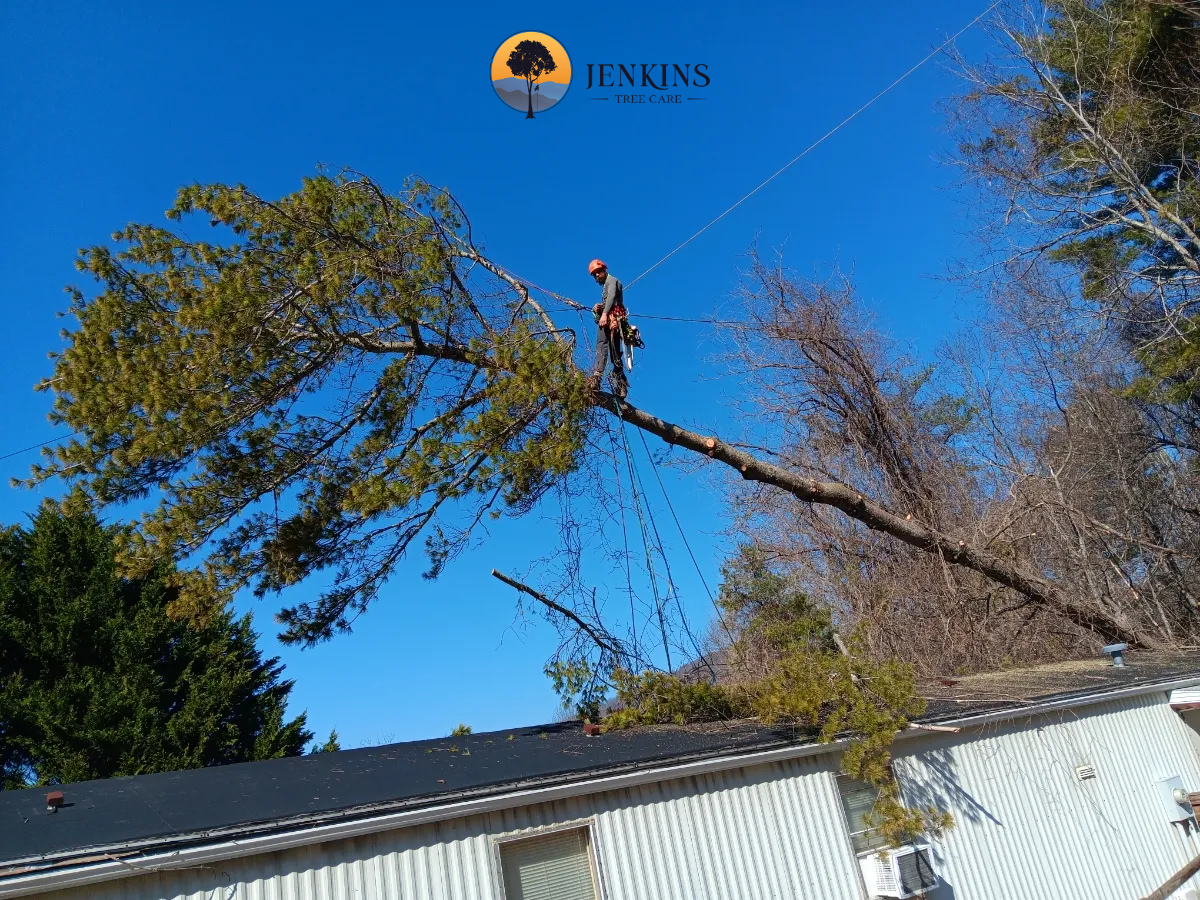
Storm-damaged trees are different from routine pruning projects because safety comes first. Broken limbs, hanging branches, and split trunks can fail without warning. In these cases, pruning may be necessary immediately to remove hazards and prevent further damage. Quick fixes can sometimes make things worse if done incorrectly, so they need careful handling.
For major impacts, check out guidance from emergency and safety-focused sources like Ready.gov and local storm prep resources. While not tree-specific, these sources highlight the importance of staying away from unstable trees after severe weather. A professional assessment can determine if pruning, cabling, or removal is the safest option.
What Proper Pruning Actually Looks Like
Selective cuts, not heavy topping
Proper pruning is about being selective. It removes specific branches to improve structure and health without messing up the tree’s natural look. In contrast, topping removes large sections of the canopy, often leaving the tree stressed, disfigured, and more prone to decay. Many think topping is a quick fix, but it usually creates more problems.
A healthy pruning plan respects the tree’s growth habit. The aim is to make thoughtful cuts that guide future development. When pruning is done well, the tree looks cleaner and more balanced, but not overworked. That’s the mark of a skilled arborist: the work should enhance the tree without making it look unnatural.
Clean cuts at the branch collar
The placement of each cut is just as important as the branch being removed. Proper pruning uses clean cuts just outside the branch collar, where the branch joins the trunk or larger limb. This helps the tree seal off the wound and reduces the chance of decay spreading. Rough cuts, flush cuts, or stubs can all create unnecessary stress.
Small details like angle, spacing, and tool sharpness can have a big impact on recovery. That’s why professional pruning often outperforms DIY attempts. Good pruning isn’t about cutting as much as possible; it’s about cutting the right limbs in the right way so the tree can heal efficiently.
Balanced canopy management
A good pruning job leaves the canopy balanced. This means the tree still has enough leaves to photosynthesize effectively while having improved structure and reduced risk. Over-pruning can weaken the tree, reduce energy, and trigger excessive sprouting. Under-pruning, on the other hand, may leave hazards or structural issues untouched.
The right balance depends on the tree’s age, species, condition, and location. Trees near homes, patios, or driveways may need more clearance than trees in open areas. That’s why customized care matters more than a one-size-fits-all approach. A tree care plan should reflect the actual conditions on the property, not just a generic schedule.
Common Pruning Mistakes Homeowners Should Avoid
Removing too much at once
One common mistake is cutting off too much canopy at once. This can shock the tree and reduce its ability to produce energy. Even if the tree seems to respond with rapid new shoots, that growth is often weak and poorly attached. Excessive removal can also expose bark and interior wood to sunscald or other stressors.
A better strategy is gradual correction when a tree needs significant improvement. That may involve phased pruning over multiple seasons instead of a single aggressive cut. Professional guidance helps prevent overcorrection and keeps the tree moving in a healthier direction.
Using improper cuts or dull tools
Dull tools tear bark instead of making clean cuts, which increases the chance of infection and slow recovery. Incorrect cut placement can also leave stubs or damage the trunk. Homeowners who try to prune without the right tools often end up causing more harm than good. Even a small mistake can take years to fully recover from in a mature tree.
Professionals use sharpened, sanitized equipment and follow established arboricultural practices. That matters especially when pruning diseased material, because tools can spread pathogens from one branch to another. If the goal is healthier trees, the quality of the cut is just as important as the decision to prune in the first place.
Ignoring the tree’s species and age
Different trees respond differently to pruning, and age changes the strategy as well. Young trees often need structural guidance, while mature trees may need risk reduction and selective thinning. Some species are more sensitive to heavy cuts than others. A plan that works for one tree may be harmful to another.
Because of that, homeowners should avoid treating every tree the same way. A thoughtful approach considers growth rate, branch pattern, seasonal response, and the tree’s role in the landscape. If multiple trees on the property need attention, it may be wise to combine pruning with broader services like tree trimming or tree pruning for a coordinated outcome.
How Professional Tree Care Protects Your Property
Safer yards and better access
Professional pruning improves more than the tree itself. It can make the whole property safer by reducing falling-limb risk, clearing walkways, and improving visibility around driveways and play areas. For families, that means fewer hazards near outdoor living spaces. For property owners, it can also mean fewer maintenance headaches and a cleaner presentation.
When a yard has several overgrown trees or layered vegetation, it may also benefit from brush removal to restore access and visibility. Clear ground space makes it easier to inspect trunks, spot decay, and maintain the landscape over time. The result is a yard that feels more open, manageable, and inviting.
Better long-term landscape value
Healthy trees can improve curb appeal and support property value, especially when they are well maintained. A neatly pruned canopy frames the home, allows more usable light, and gives the landscape a polished appearance. Buyers and neighbors both notice when a property is cared for consistently. Trees that are managed well tend to look intentional rather than neglected.
At the same time, preserving a tree is often more valuable than removing it. If pruning and support options can keep a mature tree healthy, that tree may continue providing shade, character, and environmental benefits for decades. In some cases, cabling can be used alongside pruning to preserve valuable trees with weak unions or split trunks, which is why services like tree cabling are so important for long-term planning.
Reduced emergency costs
Preventive pruning can lower the chance of expensive emergency work later. It is usually easier and more affordable to correct a problem before a branch fails than after a storm has damaged the roof or vehicle. By reducing risk ahead of time, homeowners often save money while avoiding stress and disruption. That is one reason routine inspections matter so much.
If a tree is already too compromised to keep, then removal may be the more responsible decision. In those cases, the safest option is often to coordinate pruning, removal, and finishing work with a professional who can manage the full project. That kind of planning is exactly why homeowners should not wait until a small issue becomes a large and expensive one.
When Pruning Is Not Enough
Signs a tree may need removal
Not every tree can be saved with pruning. Severe trunk decay, major root damage, extensive dieback, or dangerous leaning can indicate that the tree is too compromised. In those cases, pruning may improve appearance briefly but will not fix the underlying issue. A careful assessment is needed to determine whether the tree remains structurally sound.
When removal is the safest choice, it should be handled by experienced professionals who can protect nearby structures and clean up thoroughly. If you are trying to decide between preservation and removal, it is best to compare options early before the tree’s condition worsens. That is often the difference between a manageable project and a hazardous emergency.
Weak branches that need support
Some trees are still worth preserving even if they have weak branch unions or split trunks. In those cases, pruning may be combined with cabling or bracing to reduce stress on the structure. This approach can extend the life of a valuable tree while lowering the risk of failure. The decision depends on the tree’s health, location, and future growth potential.
Support systems are not a substitute for all pruning, but they can be part of a smart long-term plan. Homeowners with older shade trees often find this especially helpful because mature trees can be both beautiful and vulnerable. A balanced strategy protects the tree while improving safety around the home.
FAQ: Healthy Tree Pruning Questions Homeowners Ask
How often should trees be pruned?
The answer depends on the species, age, and condition of the tree. Many trees benefit from periodic pruning every few years, while young trees may need more frequent structural training. Fast-growing species often need more attention than slow-growing ones. The best schedule is based on the tree itself, not a rigid calendar.
Can I prune my own trees?
Small, low-risk cuts may be manageable for homeowners, but anything involving height, power lines, disease, or large limbs is better left to professionals. The risks increase quickly when ladders or heavy branches are involved. Even a branch that appears easy to cut can behave unpredictably once it starts to fall. Safety should always come first.
Will pruning hurt my tree?
Proper pruning should help the tree, not harm it. Problems usually occur when cuts are made at the wrong time, in the wrong place, or in excessive amounts. A well-planned pruning session supports the tree’s natural growth and helps prevent future issues. When in doubt, a professional assessment can prevent costly mistakes.
Give Your Trees the Care They Deserve
Proper pruning is one of the most effective ways to keep trees healthy, attractive, and safe. It supports strong structure, improves airflow, reduces storm risk, and helps homeowners protect the investment they have made in their landscape. When pruning is combined with the right timing and a clear understanding of the tree’s needs, it becomes a long-term strategy rather than a quick fix.
If your trees look crowded, unbalanced, or storm-worn, now is a good time to act. Jenkins Tree Care helps property owners make smart decisions with professional tree pruning, tree trimming, tree cabling, and related services that keep landscapes safer and healthier. For trusted care from a local team that values safety and craftsmanship, visit Jenkins Tree Care or call (828) 279-5756 to schedule an evaluation.
Healthy trees start with the right care, and the right care starts with a conversation. If you are ready to improve the health, structure, and appearance of your trees, reach out today and let a professional help you choose the best next step for your property.