Why Stump Grinding Completes the Tree Removal Process
When you think about removing a tree, getting rid of the stump might not be the first thing you consider. But leaving a stump can lead to safety concerns, affect the look of your yard, and even impact your lawn’s health. So, stump grinding isn't just an extra step; it's a crucial one in the tree removal process.
At Jenkins Tree Care, we often see homeowners deal with lingering stump issues long after a tree has been removed. Considering tree removal? It’s good to know why stump grinding helps make your yard safer and more usable. Here's a guide to what stump grinding does and why it matters.
For more on tree care, check out resources from the International Society of Arboriculture and the USDA Natural Resources Conservation Service.
What Stump Grinding Does
The Process Explained
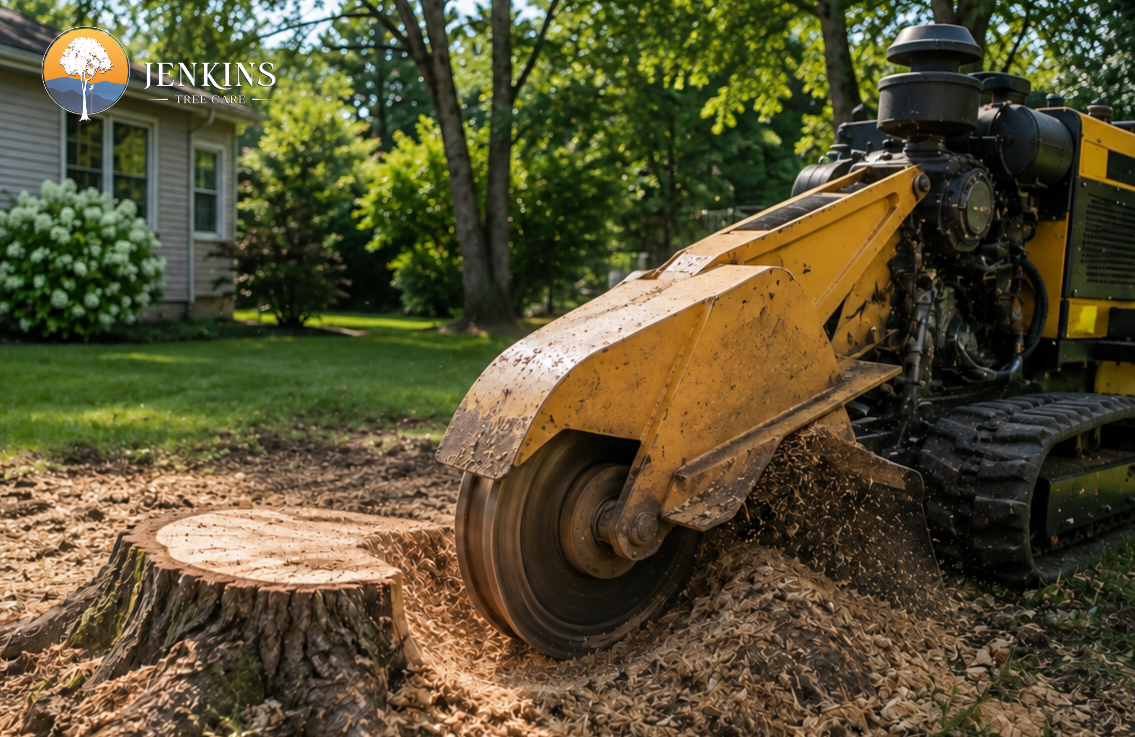
Stump grinding uses special tools to grind the stump below ground level. This turns the stump into wood chips, which can be removed or used as mulch. The result? A flat surface that's easy to garden over.
Removing just the tree trunk leaves the stump behind, which can be an eyesore and a hazard. Grinding the stump makes the area ready for new landscaping, whether that's grass, plants, or just a clear space.
How Grinding Differs from Full Removal
Tree removal and stump grinding solve different issues. While tree removal deals with the tree’s trunk and branches, stump grinding addresses the leftover stump, preventing future problems. Together, they offer a complete solution.
Initially, you might worry about a leaning tree or storm damage. Once that’s handled, the stump can become a nuisance. It might not seem urgent but can interfere with mowing, harbor pests, and cause tripping hazards.
Why Leaving a Stump Behind is Problematic
Safety and Tripping Risks
Stumps can be hidden by grass or leaves, making them easy to trip over. This risk increases at night, during gatherings, or on uneven ground. Removing the stump reduces these risks and helps lawn crews work more efficiently without damaging equipment.
Insects, Fungi, and Rot
Old stumps can attract pests and decay, becoming a breeding ground for insects that might move to healthy trees or structures. According to the U.S. Forest Service, decaying wood can lead to pest problems and diseases. Fungal growth can also affect nearby plants.
Regrowth and Root Problems
Some trees might try to regrow from the stump or roots, leading to weak and unattractive shoots. Leftover roots can shift underground, affecting your yard’s soil and future planting plans. Grinding helps create a more stable site for new projects.
How Stump Grinding Benefits Your Yard
Boosts Curb Appeal
A neat yard looks well-cared-for. A stump can make it look neglected. Removing it enhances the space and makes your house more appealing, especially if you're selling or refinancing. It shows potential buyers that the yard won't need extra work.
Creates Usable Space
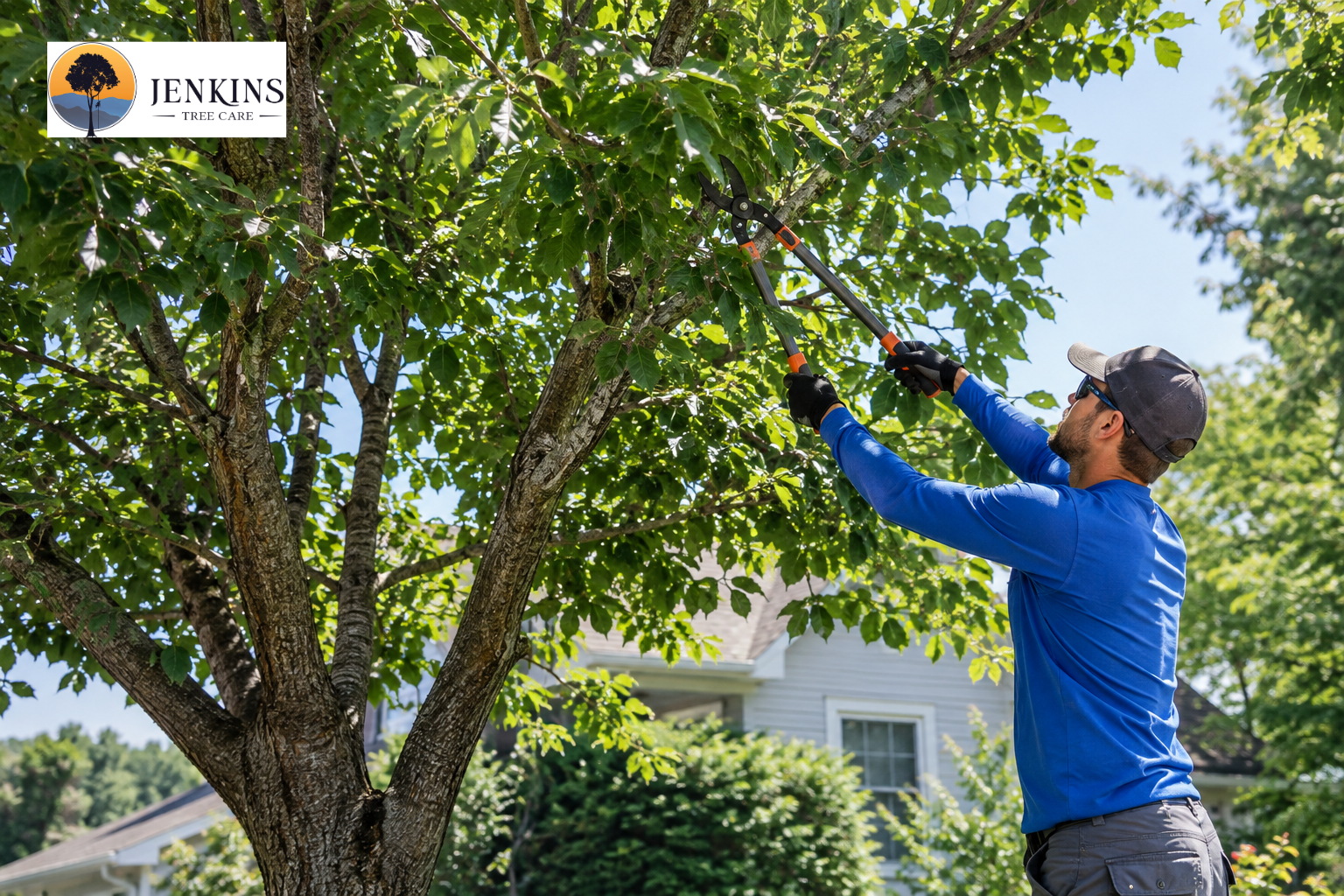
Once a stump is gone, you can use the space for grass, a garden, or a patio. Even one stump can limit how you use your yard. For those who invest in tree trimming and tree pruning, removing the stump is the finishing touch that completes the yard.
Makes Lawn Care Easier
Mowing around a stump can be tricky and dangerous, leading to uneven grass and damaged blades. Grinding the stump eliminates these issues, making maintenance simpler and less time-consuming.
When Stump Grinding is a Must
After Storm Damage
Storms can leave trees in bad shape. After removing the damaged parts, stump grinding helps clean up the area and prevents it from being a long-term eyesore. It also reduces tripping hazards and helps your yard recover.
Before Landscaping or Construction
If you’re planning new landscaping, the stump needs to go first. A level site makes it easier for builders and landscapers to do their work. Whether adding a walkway or preparing for bigger projects, stump grinding sets the stage for success.
When the Tree Was Diseased or Dead
If the tree was diseased or dead, leaving the stump can be risky. Problems can persist in the roots or nearby areas. Grinding reduces these risks, preventing ongoing maintenance issues.
What Professional Stump Grinding Involves
Checking the Site
Professionals assess the stump size, location, and any obstacles nearby. This helps them choose the right equipment and grinding depth to protect your yard during the process.
Grinding and Cleanup
The grinding depth depends on your plans. Whether you’re removing an obstacle or preparing to plant, depth matters. Cleanup involves removing or using the wood chips, leaving the area tidy.
Post-Grinding Steps
Some roots will stay underground, which is normal. They won't be a problem for new plants. In some cases, grading or soil replacement might be needed for the best finish.
How Stump Grinding Supports Long-Term Yard Care
Protects Nearby Trees
Removing a stump supports the health of your yard by reducing pest habitats and decay. Healthy trees benefit when dead material is removed, making maintenance easier.
Cuts Down on Repeat Visits
Without stump grinding, you might keep dealing with the same area. Grinding saves time and effort, allowing you to focus on other improvements like new planting or lawn care.
Creates a Safer Yard
Stumps are one of the easiest risks to eliminate. Combined with tree removal and pruning, stump grinding helps create a safer space for everyone.
DIY vs. Professional Stump Grinding
Why Some Try DIY
Some homeowners think they can save money by renting a grinder. But the process can be tough, dangerous, and time-consuming, especially with large stumps or tight spaces.
Perks of Hiring a Pro
Professionals know how to handle equipment safely and efficiently. They can work around obstacles and deliver a clean result with minimal disruption.
Insurance and Safety
Using heavy equipment without training can damage your property or the machine. Hiring an insured professional ensures the job is done safely and properly.
What Happens After Stump Grinding
Filling and Leveling
After grinding, the area is filled with soil and leveled. This prevents dips or low spots as the material decomposes.
Planting Grass or Landscaping
Once stable, you can use the area for grass, plants, or garden features. Considering shade, soil, and drainage helps ensure success.
Scheduling the Work
Grind stumps soon after tree removal, especially in busy areas. This keeps your yard safe and ready for future projects.
Frequently Asked Questions
Do Roots Get Removed?
Not fully. Stump grinding focuses on the stump and upper roots. Remaining roots usually aren't a problem.
Will the Stump Regrow?
Some species might sprout, but proper grinding minimizes this risk. Monitor for any regrowth.
How Long Does It Take?
Time varies by stump size and conditions. Small stumps are quick, while larger ones take longer.
Is Stump Grinding Worth It?
Yes. It improves safety, looks, and yard use. Long-term, grinding is the practical choice.
Why Jenkins Tree Care Recommends Finishing the Job
A Clean, Safe Finish
At Jenkins Tree Care, we believe in leaving your property better. A stump left behind keeps part of the problem alive. Grinding finishes the job right.
Whether it's lawn restoration or new plantings, the result matters. We bring care and professionalism to every service in Asheville and surrounding areas.
Comprehensive Yard Care
Tree work is connected. You might need removal, trimming, or brush removal. Stump grinding fits into this approach, offering a complete outcome instead of unfinished tasks.
Wrapping Up: Make Stump Grinding the Final Step
Tree removal solves the immediate issue, but stump grinding completes the job. It removes hazards, improves your property's look, and makes maintenance easier. Don't let the stump be a constant reminder of the old tree.
For a clean, safe result, stump grinding is the step that ties everything together. For expert help with tree removal and cleanup, contact Jenkins Tree Care at (828) 279-5756 or email devin@jenkinstreecare.com. We’re here to help you restore your yard with care and attention to detail.