Precision Tree Removal in Asheville, NC: Why It Matters When Things Get Tricky
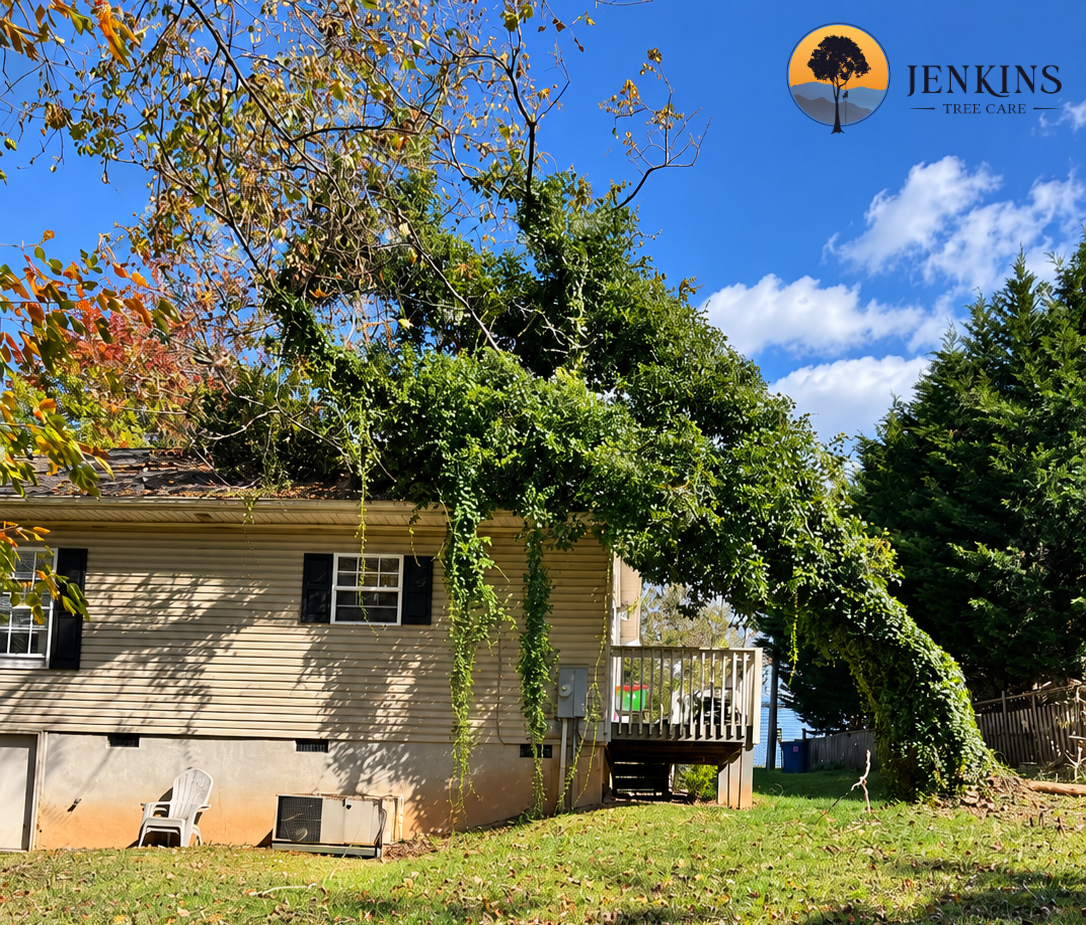
Getting rid of a tree isn't just about cutting it down and hauling it off. When a tree is leaning over your house, nestled against a fence, or in a tight spot with limited access, it can turn into a precision job. That's when experience counts just as much as strength. One wrong cut or misstep can turn a simple task into a costly headache. That's why when you're looking for tree removal services, you need a team that knows the ins and outs of tree behavior and the challenges of working on real properties.
At Jenkins Tree Care, we don't leave things to guesswork. We approach complex removals with a solid plan. We start with a thorough assessment to spot risks, figure out the safest access route, and decide whether a tree should come down in one piece or in sections. This mindset is also helpful when other services like tree pruning or tree cabling are needed first. If you're curious about tree risks and structural concerns, the Purdue Extension guide on tree risk assessment is a great resource to see how professionals evaluate potential hazards before starting work.
Why Complicated Tree Removals Aren't Just About Cutting
Every Property Comes with Different Challenges
No two tree removals are the same. One tree might be easy to access, while another might be wedged between a roofline and a power line, with delicate landscaping below. Even if a tree looks straightforward from the street, hidden stress points, decay, and awkward angles can complicate the job. A professional crew factors in all these challenges before making the first cut.
Complex removals also need a good understanding of the surrounding property. Things like driveways, sheds, patios, irrigation systems, and neighboring structures can influence how a removal should be done. A tree close to a home might need to be taken down from the top in small pieces. A tree with a weak root system might need special rigging. Missing these details can lead to damage quickly, which is why detailed planning is crucial.
Tree Biology Plays a Role in the Plan
A tree isn't just wood in the ground. Its structure, growth pattern, moisture content, and internal decay affect how it reacts to pressure and cutting. For example, a dead tree might splinter differently than a living one, while a healthy tree with a strong lean might shift unpredictably once one side is reduced. Understanding how trees respond to cuts is key to safe work, especially with tall trunks or weak limbs. If you want to know more about what's happening before a tree becomes a removal candidate, check out our post on early leaf drop and tree stress.
According to the Tree Care Industry Association, professional arborists rely on observation, training, and proper equipment to minimize risk and protect the surrounding property. This combination of knowledge and discipline is vital when the job seems routine but reveals hidden complications as work progresses. Experience allows crews to anticipate these changes early, rather than reacting when the tree is already partially dismantled.
Signs a Tree Removal Might Be Trickier Than It Looks
Leans, Decay, and Structural Issues
Just because a tree leans doesn't always mean it must come down, but it often requires more care. Trees with decay in the trunk, cavities near the base, split leaders, or damaged unions can react unpredictably when cut. Sometimes, a tree may seem stable until the upper canopy starts shifting during removal, highlighting the need for both visual cues and technical assessments.
Other red flags include fungal growth at the base, bark separation, hollow-sounding sections, and large dead limbs in the crown. A tree with these symptoms might fail differently than a sound tree, especially when wind, rain, or soil saturation have already weakened the root zone. If storm damage is involved, check our guide on storm-damaged trees to know when removal should be urgent for safety rather than cosmetic reasons.
Tight Spaces and Limited Drop Areas
Often, it's the logistics that make tree removals complicated. Backyard trees are usually behind fences, gardens, utility structures, or neighboring homes, leaving little room for machinery. In such cases, crews use ropes, friction devices, and section-by-section lowering techniques to bring the tree down safely. The tighter the space, the more crucial it is to have an experienced team that knows how to work methodically.
Limited access can also affect cleanup. Organizing wood, brush, and debris in a small yard requires planning to keep pathways open and minimize lawn damage. On some properties, cleanup can be as technical as the removal itself. That's why full service often includes follow-up work like brush removal and stump grinding, to help restore the yard after the tree is gone.
Planning: Where Safe Results Begin
Inspection, Measurements, and Hazard Review
Before a complex removal starts, the best crews inspect the tree from various angles. They check trunk condition, limb distribution, root stability, clearance around structures, and possible strike zones. They also consider weather, soil moisture, and nearby trees that could affect rigging or equipment movement. This planning phase isn't wasted time; it prevents unnecessary damage and delays.
Professionals evaluate the space around the tree with a problem-solving approach. Where will the cut sections land? Which direction is safest for the tree to move? Can the trunk be lowered in smaller pieces, or is a different strategy needed? These decisions come from years of experience, not guesswork. The OSHA tree trimming and removal safety resources emphasize how critical hazard recognition, fall protection, and worksite control are when working at height or around unstable wood.
Communication with the Homeowner Matters
Good planning isn't just about equipment and technique. It also involves clear communication between the crew and the homeowner. The best results happen when clients know what's happening first, what areas need to stay clear, and what cleanup will include. On more complex jobs, the crew might explain why a tree must be lowered in small pieces instead of removed in one go. Such transparency builds trust and helps everything run smoothly.
Clear communication also reduces stress for the homeowner. When people know how long the job will take and what the process will look like, they're less likely to be surprised by the noise, pace, or scale of the work. Professional tree care isn't just about removing a hazard; it's about making the whole experience safer and easier for the property owner from start to finish.
Tools and Techniques for Precision
Rigging Systems and Controlled Lowering
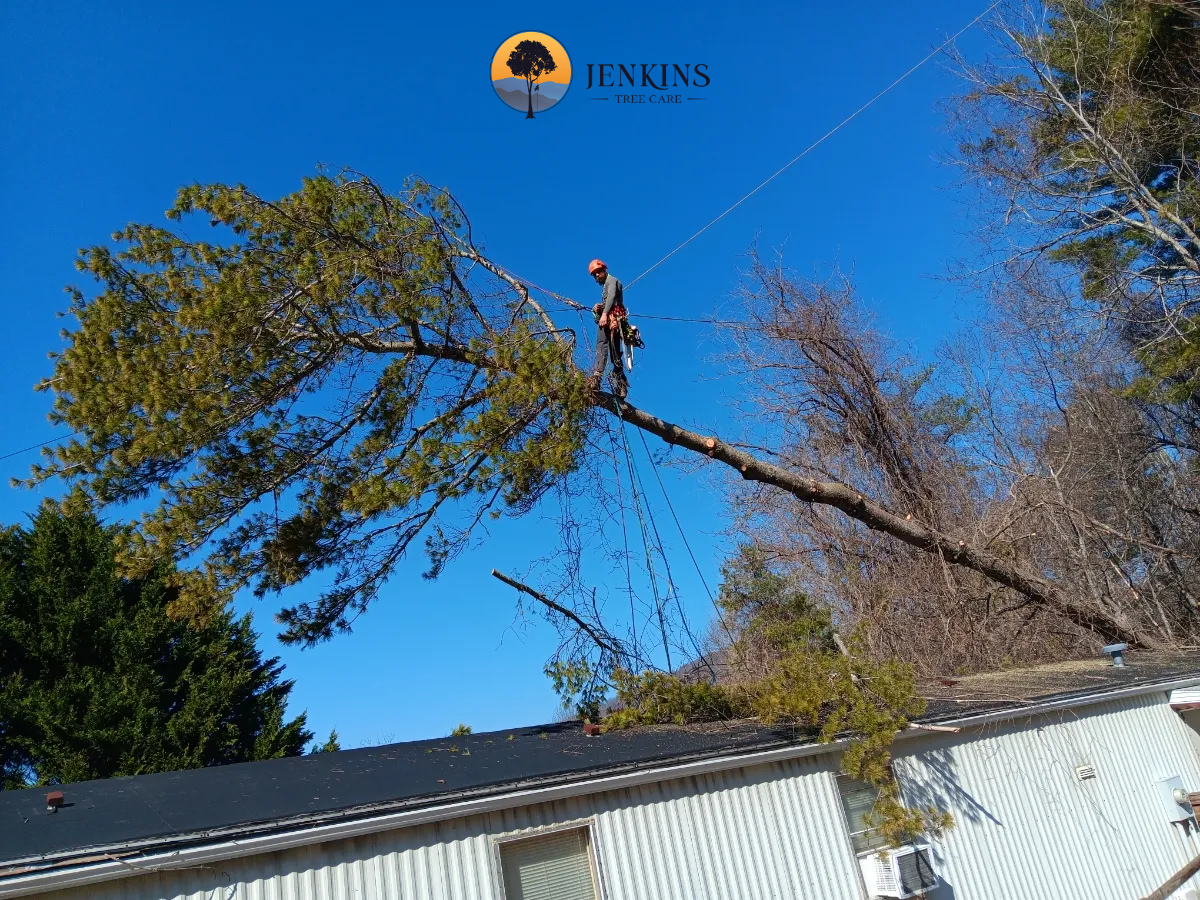
In a tricky removal, rigging can mean the difference between controlled progress and uncontrolled damage. Rope systems, pulleys, friction management devices, and secure anchor points allow crews to lower heavy sections carefully, rather than just dropping them. This is crucial near roofs, decks, vehicles, and flowerbeds, where even a small mistake can cause costly damage. The more complex the tree, the more refined the rigging needs to be.
Controlled lowering also protects the crew. Large limbs can twist, swing, or rebound if not handled properly, which is why experience and coordination are necessary. A well-trained team understands how weight shifts, how wood fibers respond, and how to stage each cut to keep the next move safe. For many homeowners, this part of the process clearly shows why professional tree service is worth the investment.
Sectional Dismantling and Selective Cutting
Sectional dismantling is often the safest choice when a tree is in a confined area. Instead of felling the entire tree at once, the crew removes the canopy in pieces, then works down through the main stem. This method gives pros more control and reduces the chance of collateral damage. It also lets them adapt as the tree changes during removal, which is important when hidden decay or internal cracks are found mid-job.
Choosing where and when to cut isn't a casual decision. It requires understanding how the remaining wood will move, whether a limb carries tension, and how much material can be safely handled at one time. That's where experience shines through. An inexperienced cutter might focus only on the visible branch, while a seasoned arborist sees the tension lines, load shifts, and next likely movement before making the cut.
Why Experience Matters in Reducing Risk and Protecting Property
Experienced Crews Spot Problems Early
Experienced tree professionals notice clues that less experienced workers might miss. A slight change in trunk sound, a subtle crack opening, or an unusual canopy movement can signal that the plan needs adjusting. Spotting these signs early can prevent damage, protect the crew, and keep the job moving efficiently. That instinct comes from repetition, training, and time spent on real properties with real-world challenges.
Experience also helps crews stay calm when conditions change unexpectedly. A rope might need resetting, a cut angle might need adjusting, or weather might force a pause. Rather than rushing through, skilled pros adapt while keeping safety and property protection at the center of every decision. That's especially valuable in older neighborhoods and sloped yards, where a small mistake can have a bigger impact.
Precision Saves Time and Reduces Cleanup Headaches
Precision might sound like a detail thing, but it directly impacts the final result. Clean cuts, controlled sections, and thoughtful debris handling can shorten cleanup and reduce the need for repair work afterward. When a removal is done well, the property often looks orderly instead of torn up. When it's done poorly, homeowners may have to deal with broken turf, damaged plants, or debris scattered where it shouldn't be.
Precision is also crucial once the tree is on the ground. Stump height, wood placement, and debris handling affect whether the yard is ready for future use or still feels like a work zone. That's why complete services often include follow-up recommendations like tree trimming for nearby trees and stump grinding to finish the job cleanly. The goal isn't just removal; it's restoring the property in a practical, usable way.
What Homeowners Can Expect During a Complicated Removal
Step-by-Step from Assessment to Cleanup
Most difficult removals follow a predictable structure, even if the details change from one property to the next. First comes the assessment, where the tree, site, and hazards are reviewed. Next is the setup, including equipment staging, work zone protection, and homeowner communication. Then the crew begins dismantling the tree, often removing the canopy in sections before working down the trunk. Finally, debris is cleared and the site is reviewed for next-step recommendations.
This might sound straightforward, but each stage can involve adjustments. A section might need tying off differently than expected, or the crew might uncover decay that changes the safest sequence. The ability to stay organized while adjusting in real-time is one of the strongest signs of an experienced tree service provider. It's also why homeowners often prefer a company that offers multiple services, as one team can handle the whole project instead of leaving gaps.
Cleanup, Hauling, and Site Restoration
Cleanup is more than just piling up branches. It includes moving wood safely, clearing brush, addressing stump issues, and ensuring the property is left complete. In many cases, a complicated removal creates material that needs chipping, hauling, or recycling responsibly. A well-run crew treats this phase with the same care as the removal itself.
Responsible cleanup also includes protecting the landscape when possible. Mats, careful foot traffic, and staging plans can reduce turf damage and preserve nearby beds or hardscaping. For property owners, that attention to detail often makes the difference between a frustrating project and one that feels well managed from start to finish. If a tree was damaged by weather and the yard is full of leftover limbs, our article on why clearing overgrown brush is a smart move explains how cleanup supports long-term safety and yard usability.
Choosing the Right Team for a Tough Job
Look for Insurance, Training, and Local Experience
Not every tree service is ready for complicated removals. Homeowners should look for a team with proper insurance, practical experience, and a clear process for assessing hazards. Local experience matters, too, because weather, soil conditions, and common tree species in the area all affect how removals should be handled. A crew that regularly works in the area is more likely to know these conditions before they become an issue.
Training should also be clear in how the crew communicates. Professionals explain the plan, answer questions, and outline what the homeowner can expect. They don't rely on vague reassurances or pressure tactics. Instead, they present a realistic approach based on the tree, the site, and the safest way to complete the job. That's the kind of service that reflects both accountability and skill.
Ask About Preservation Options Before Making a Final Decision
Sometimes, a tree that seems like it needs to come down might still have a chance with the right intervention. Pruning, cabling, or selective reduction can occasionally preserve a tree that's valuable to the property. The right professional should be willing to discuss these alternatives honestly before recommending removal. This approach protects healthy trees while still addressing safety concerns.
When a tree is worth saving but has structural weaknesses, our service for tree cabling can help support vulnerable limbs and extend the tree's life. Likewise, careful tree pruning can reduce weight and improve structure so the tree stays healthier over time. A good tree care company sees the bigger picture, not just the fastest path to removal.
Common Questions About Difficult Tree Removal
Can Every Dangerous Tree Be Removed the Same Way?
No, and that's why experience is so important. Each tree has its own shape, condition, access limitations, and surrounding hazards. A removal plan that works in one yard might be completely wrong in another. Factors like slope, nearby structures, overhead lines, and internal decay all change the strategy.
This is also why a preliminary inspection is so important. The crew needs to determine whether the tree should be climbed, lowered in sections, or approached with specialized equipment. There's no one-size-fits-all method, and the safest removal is usually tailored to the tree rather than forced into a generic process.
Is Stump Grinding Necessary After Removal?
It's not always required, but it's often the best way to finish the project. Leaving a stump behind can create a trip hazard, attract unwanted growth, and make lawn care more difficult. In many cases, stump grinding helps reclaim the space for planting, landscaping, or simple yard access. For a deeper look at this final step, see our related article on why stump grinding completes the removal process.
Homeowners who want a truly finished result usually appreciate having stump work included. It creates a cleaner appearance and reduces the chance that the remaining stump becomes a long-term nuisance. This is especially important on properties where children, pets, or guests regularly use the yard.
How Do I Know If My Tree Is Beyond Saving?
The answer depends on the extent of the damage, the location of the problem, and the value of the tree to the landscape. A qualified arborist can help determine whether preservation is realistic or if removal is the safer choice. Severe trunk decay, major root failure, or advanced structural splitting often point toward removal, while lighter issues may still be addressed through pruning or support systems.
If you're unsure, the safest step is to schedule an inspection before the problem worsens. Trees rarely improve on their own once significant structural issues begin. Acting early gives you more options, better planning, and a lower chance of emergency removal later.
Wrapping Up: Precision Makes a Tough Job Manageable
When tree removal gets complicated, the difference between a stressful experience and a controlled one usually comes down to preparation, experience, and precision. Trees with hidden decay, awkward lean, tight access, or nearby structures require more than basic cutting skills. They need a thoughtful plan, the right equipment, and a crew that can adapt without losing sight of safety or property protection.
That's the standard Jenkins Tree Care brings to every challenging project. From careful assessment to final cleanup, the goal is to protect your home, preserve what can be saved, and remove what must go with efficiency and care. If you have a tree that's becoming a hazard or a yard that needs expert attention, contact Jenkins Tree Care at (828) 279-5756 or email devin@jenkinstreecare.com to talk through the safest next step. For more about our approach and services, explore our tree care resources and schedule the help your property needs today.