Old trees often carry the most value on a property. They provide shade, character, privacy, and a sense of history that younger plantings simply cannot match. But when a beloved tree starts showing weak branches, split limbs, or visible decay, many homeowners immediately fear the worst. The good news is that tree service in Asheville, NC does not always mean removal; in many cases, a careful plan can preserve the tree while reducing risk.
If you're unsure whether your tree needs to come down or just needs a little support, this guide will help you figure it out. We'll walk you through the warning signs, preservation options, and how professionals decide what's best. For those comparing solutions, services like tree pruning, tree cabling, and tree trimming can often address issues before removal becomes necessary. The key is knowing what can be fixed and what can't.
Tree care decisions should be made with both safety and long-term tree health in mind. According to the International Society of Arboriculture, proper arboricultural practices can reduce failure risk while helping trees remain healthy for years. In this article, we will walk through the most common signs of weak branches, the repair options available, and the situations where removal is truly the better choice.
Why Weak Branches Do Not Always Mean Tree Removal
Understanding structural weakness
Weak branches can develop for many reasons: storm damage, poor pruning cuts, included bark, disease, co-dominant stems, or simple age-related decline. A branch may look concerning but still be salvageable if the damage is isolated and the tree has enough healthy structure around it. That's why a trained arborist will not judge a tree by one bad limb alone.
In many cases, the real problem is not the entire tree but a structural imbalance. A long limb may be carrying too much weight, or a split union may be forming in a way that can be stabilized. A professional assessment helps determine whether the tree can recover with support and reduction pruning rather than being removed altogether.
The value of preserving mature trees
Mature trees are often worth saving because they contribute more than aesthetics. They can lower summer heat, support wildlife, improve curb appeal, and raise property value. Research from the U.S. Forest Service shows that well-managed trees contribute to healthier urban landscapes and can provide measurable environmental benefits.
Preservation also saves time and money when the tree is structurally sound enough to keep. Instead of paying for complete removal and replacement, a homeowner may only need strategic pruning, cabling, or ongoing monitoring. That can protect the landscape while avoiding the loss of a tree that may have taken decades to grow.
Warning Signs That a Tree Needs Attention
Visible cracks, splits, and weak unions
One of the first things to inspect is the point where branches meet the trunk or where large stems divide. Cracks, seams, or bark trapped between stems may indicate a weak attachment that could fail during a storm. These issues do not always require removal, but they do require professional judgment before the problem gets worse.
Sometimes a branch appears healthy from a distance but has a narrow attachment or hidden cracking. In those cases, the goal is to reduce stress on the union and prevent sudden failure. That may involve pruning back the branch, installing support cables, or both.
Deadwood and declining foliage
Dead branches are not uncommon in older trees, especially after drought, pest activity, or weather stress. A few dead limbs can usually be removed safely as part of a regular maintenance plan. When deadwood appears throughout the canopy, however, the tree may be telling you that larger problems are present.
Look for thinning leaves, early leaf drop, sparse canopy density, or branches that fail to produce new growth. These symptoms can signal stress, but they do not automatically mean the tree is beyond saving. A qualified arborist can help determine whether the issue is temporary, manageable, or severe enough to require removal.
Storm damage and leaning branches
After high winds or ice events, many trees develop hanging limbs or branches that bend but do not break cleanly. These situations are common and often fixable if the tree itself remains stable. The danger is in assuming the branch will simply recover on its own when it may already be compromised.
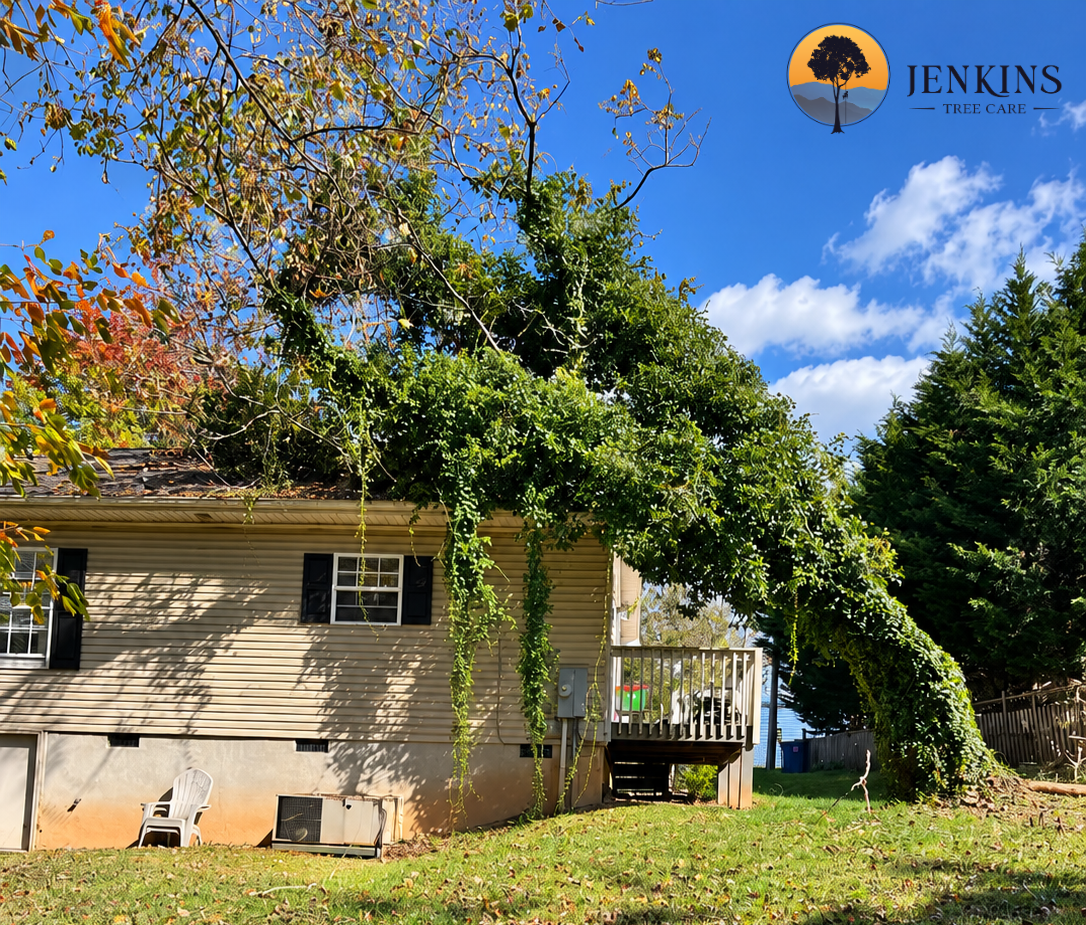
If a branch is hanging over a roof, driveway, or walkway, quick action matters. A professional can remove the immediate hazard, inspect the trunk and nearby limbs, and advise whether the rest of the tree can stay in place. This is especially important when trees stand close to homes, fences, or utility lines.
Fixing the Problem Without Removing the Tree
Tree pruning for structural balance
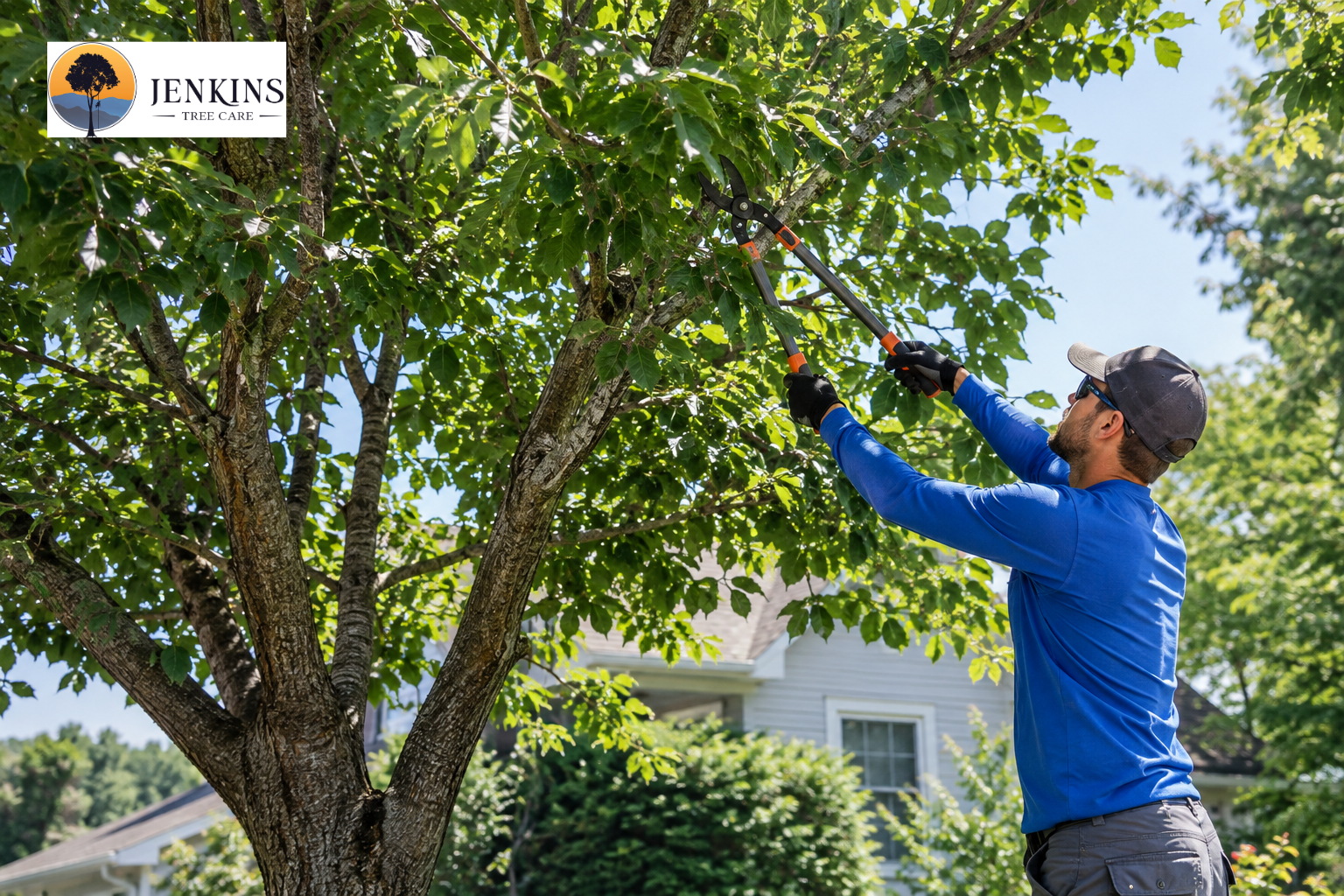
Pruning is often the first and most effective solution for weak branches. By removing dead, damaged, or poorly positioned limbs, arborists can reduce weight, improve airflow, and guide future growth. Proper pruning is not random cutting; it is a targeted strategy designed to improve both safety and tree health.
When performed correctly, pruning can also prevent larger failures later on. For example, reducing the length of a heavy limb can lower the strain on a cracked union. If your tree needs this kind of corrective care, tree pruning can be a practical alternative to removal, especially when the trunk and root system remain healthy.
Tree cabling and bracing for added support
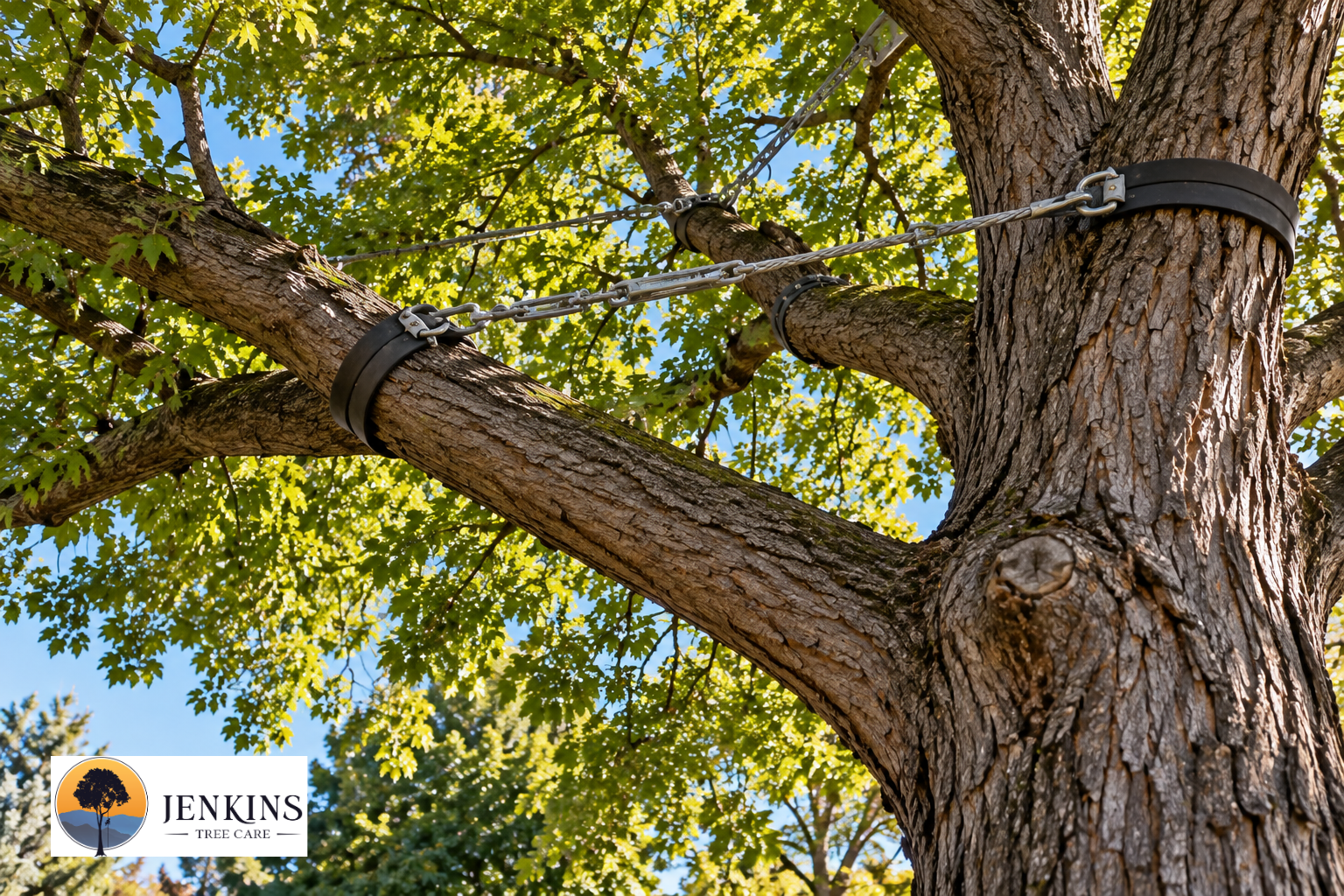
Some trees need more than pruning. When multiple stems are splitting apart or large limbs are at risk of tearing away, cabling and bracing can help redistribute stress. These support systems do not make a tree invincible, but they can buy time and preserve valuable specimens that would otherwise be lost.
Tree cabling is often used on trees with structural weaknesses that are still worth preserving. The system works best when installed by a trained professional who understands how the tree moves in wind and how much support is appropriate. Done properly, it can extend the life of an old tree while reducing the chance of sudden branch failure.
Selective trimming to reduce leverage
Heavy branches act like levers. The farther weight extends from the trunk, the more force it places on weak attachment points. Strategic tree trimming can reduce this leverage and improve the tree’s overall shape without over-thinning the canopy.
Trimming is especially useful when branches interfere with roofs, gutters, walkways, or neighboring plants. It creates clearance while helping the tree maintain a natural form. In many cases, the right trimming approach makes a tree safer without sacrificing the character that made it worth keeping in the first place.
How Arborists Decide Between Repair and Removal
Assessing the trunk and root system
The branch is only one part of the picture. Even if the limbs look concerning, a tree may still be a strong candidate for preservation if the trunk and root zone are stable. Arborists look for signs of internal decay, trunk cavities, root damage, soil movement, and fungal growth at the base.
If the trunk is hollow in critical areas or the root system is failing, the risk of keeping the tree rises quickly. In those cases, even good pruning or cabling may not be enough. A tree can sometimes survive with branch issues, but it cannot safely remain if the main support system is compromised.
Evaluating risk to people and property
Not every weak branch creates the same level of danger. A limb hanging over a garage or front walkway carries more risk than one over an open field. Arborists consider what the tree could hit, who uses the space, and how likely failure is under normal weather conditions.
This is where professional judgment matters. A tree may be biologically alive but still unacceptable from a safety standpoint. The goal is not simply to keep the tree at all costs, but to make the safest decision based on the actual conditions around it.
Considering tree species and long-term health
Some species tolerate corrective care better than others. Fast-growing trees may respond well to reduction pruning but may also be more prone to weak wood structure. Slower-growing, long-lived species may be excellent candidates for cabling and ongoing maintenance when the damage is limited.
Climate, soil condition, and past care also affect the outcome. A tree that has been regularly maintained is more likely to recover than one that has been neglected for years. That is why experienced arborists look at the full history of the tree, not just the current problem.
When Removal Really Is the Better Choice
Extensive decay or split trunks
There are times when preservation is no longer realistic. If decay has spread through a major portion of the trunk or the tree has suffered a serious split down the center, the structure may be too unstable to support. In those cases, removing the tree is often the safest and most responsible option.
Homeowners sometimes hope a single brace or a few cuts can solve everything, but that is not always true. A tree with advanced structural failure can collapse without warning. Removing it before that happens protects people, buildings, and nearby landscaping.
Repeated failure despite maintenance
If a tree has needed repeated emergency pruning, keeps losing major limbs, or continues declining after treatment, removal may be the only practical answer. Ongoing repair can become more expensive and less effective over time. At a certain point, replacement may be the better long-term investment.
That does not mean the tree failed completely. It means the tree has reached the end of its useful life in that location. A thoughtful removal plan can make way for a healthier replacement that will eventually provide shade and beauty again.
Conflicts with structures and utilities
Some trees outgrow their space. If major limbs are pressing into a roof, growing into power lines, or causing repeated damage to surrounding structures, the tree may be creating a permanent conflict. In such cases, the safest option may be to remove the tree and replant with a better-suited species.
When removal is necessary, professionals can often pair the work with stump grinding so the site is ready for future use. That final step helps reclaim yard space and reduces the chance of hazards from leftover roots or stumps.
What Homeowners Can Do Before Calling for Removal
Document the problem
Take clear photos of the tree from several angles, especially any splits, leaning branches, fungus, or areas where limbs are touching structures. Good documentation helps an arborist understand the issue before they arrive. It also creates a useful record if weather or repeated damage is involved.
If the tree changed suddenly after a storm, note the date and any symptoms you observed. Was there a crack, a loud snap, or a branch hanging before you noticed the problem? These details can help narrow down the cause and the urgency.
Avoid unsafe DIY cutting
It is tempting to trim a dangerous limb yourself, but weak branches are often unstable in unpredictable ways. A branch under tension can shift when cut and cause injury or additional damage. Unless the issue is very small and safely accessible, DIY work is usually not worth the risk.
Professionals have the equipment, training, and experience to handle hazardous limbs safely. They also know how to preserve the tree while reducing danger. That makes a big difference when the goal is to keep the tree alive.
Request a professional inspection
A formal evaluation gives you clarity. Instead of guessing whether the tree should go, you receive a recommendation based on structure, species, location, and risk. This is especially valuable when the tree has sentimental value or is a major feature of the landscape.
During an inspection, an arborist may recommend pruning, cabling, monitoring, or removal. If you live locally, a trusted team offering tree removal can also explain the difference between urgent hazards and trees that still have a chance to be saved.
Real-World Examples of Trees That Can Often Be Saved
Split branch after a storm
A mature oak may lose one large limb in a windstorm while the rest of the canopy stays healthy. In this case, the branch can often be removed cleanly, and the remaining tree can be balanced with pruning. If the trunk and root system are intact, removal is usually unnecessary.
This kind of situation is common after severe weather in Western North Carolina, where storms can be sudden and intense. A quick inspection after the event can prevent a repairable issue from turning into a larger failure.
Co-dominant stems beginning to separate
Some trees develop two large stems that grow side by side and compete for space. Over time, included bark can weaken the union, creating a split risk. These trees are often strong candidates for cabling, reduction pruning, or both.
If the problem is caught early, the tree may continue to thrive for many years. Waiting too long, however, can allow the split to progress beyond the point where support is safe or effective. Early action makes preservation much more likely.
Heavy limbs over a roofline
A tree with one or two oversized limbs extending over a house does not always need to be removed. Often, selective trimming can reduce the weight and create safer clearance. The tree keeps its beauty, and the property owner gains peace of mind.
That balance is one of the main goals of professional tree care. It protects the investment in both the tree and the home without making the landscape look stripped or overworked.
How Regular Maintenance Prevents Future Problems
Routine inspections matter
Tree problems are easier to manage when they are found early. Routine inspections help catch weak attachments, disease, and structural stress before they become emergencies. Even a quick seasonal check can make a noticeable difference.
Many homeowners schedule maintenance after storms, during rapid growth periods, or when trees begin encroaching on buildings. That consistent attention is often what keeps a valuable tree from reaching the point of removal.
Preventive pruning extends tree life
Preventive pruning is not just about appearance. It helps guide a tree’s growth so branches develop with better spacing and stronger structure. Over time, that can reduce the likelihood of splitting, rubbing, and excessive weight.
If your property has multiple mature trees, a maintenance plan can prioritize which ones need attention first. That proactive approach is often more affordable than waiting for emergency work after a major failure.
Brush and debris cleanup improve safety
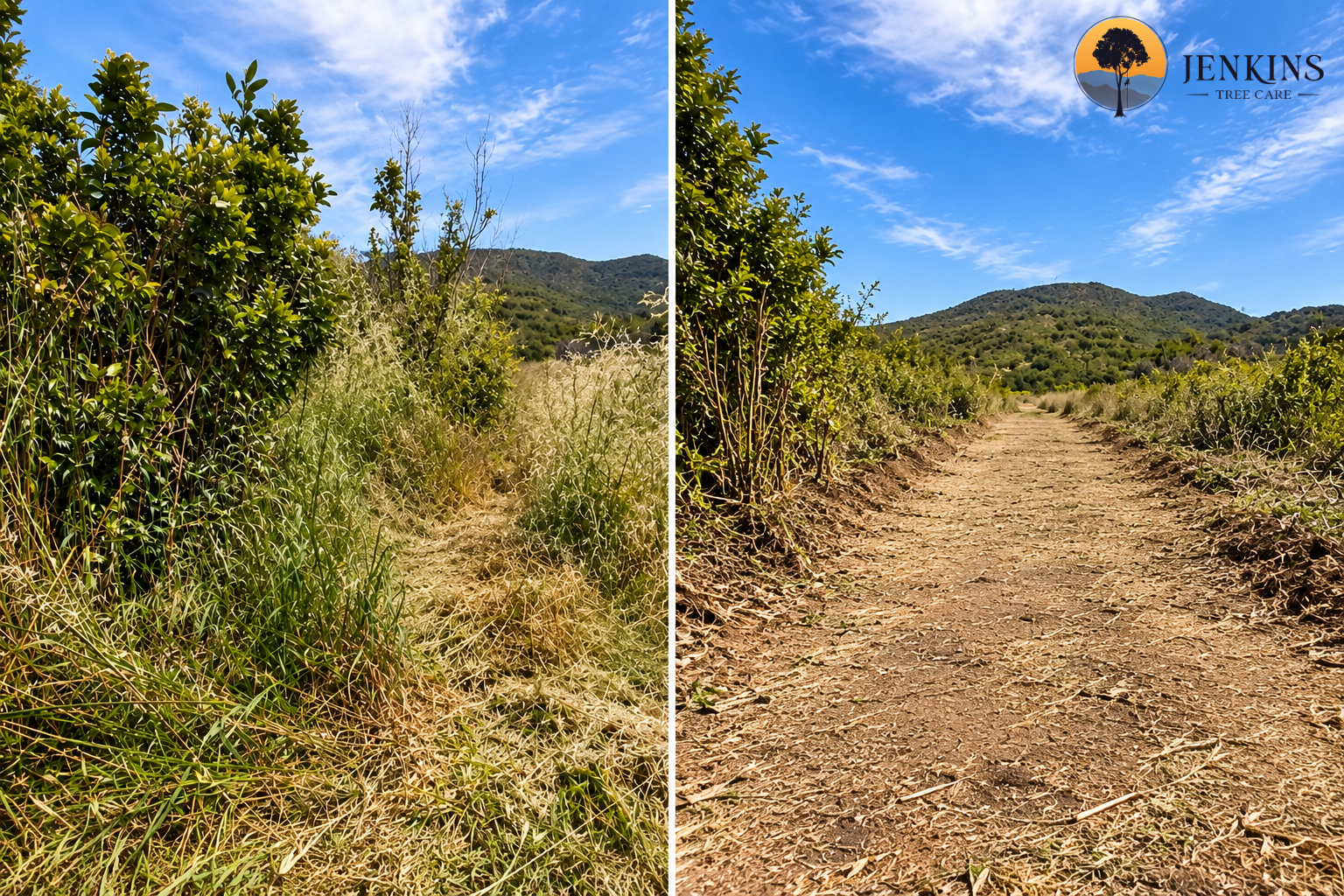
Weak branches often leave behind broken material, brush piles, and tangled debris. Clearing that material promptly keeps the property safer and easier to maintain. It also helps you see the tree more clearly, making future inspections simpler.
Professional brush removal can be an important part of post-storm cleanup or routine landscape care. When the area is clear, you can better monitor the tree’s condition and reduce hidden hazards around your yard.
Frequently Asked Questions About Weak Tree Branches
Can a tree with weak branches be saved?
Yes, many trees with weak branches can be saved if the damage is limited and the trunk and roots are healthy. The best options often include pruning, cabling, or selective reduction. The sooner the issue is assessed, the better the chances of preservation.
How do I know if a branch is dangerous?
Watch for cracks, hanging limbs, dead wood, or branches that move excessively in the wind. Branches over roofs, driveways, and walkways deserve immediate attention. If you are unsure, a professional inspection is the safest route.
Is cabling a permanent fix?
No, cabling is a support method, not a cure. It can reduce stress and extend a tree’s life, but it should be paired with ongoing monitoring. Over time, the system may need adjustment or replacement depending on the tree’s condition.
Will pruning hurt the tree?
Proper pruning should help, not harm, the tree. The key is making correct cuts at the right time and avoiding excessive canopy removal. Poor pruning can create more problems, which is why professional care matters.
Why Professional Help Makes the Difference
Experience leads to safer decisions
When a tree looks risky, it is easy to focus only on the visible branch and miss the larger structural story. Professionals are trained to evaluate the whole tree, including hidden signs of decay and instability. That expertise helps avoid unnecessary removals and unsafe shortcuts.
At Jenkins Tree Care, the focus is on practical, safety-first solutions that protect both the property and the trees whenever possible. For some trees, that means support and pruning. For others, it means honest advice that removal is the better path.
Customized care matters
No two trees fail in exactly the same way. Soil conditions, sunlight, species, age, storm exposure, and previous maintenance all matter. A customized plan ensures the tree gets the right treatment rather than a one-size-fits-all response.
That may include a combination of pruning, cabling, trimming, and follow-up inspections. The right mix can preserve a tree that might otherwise be lost due to preventable stress.
Local knowledge helps with long-term outcomes
Local climate and storm patterns affect how trees grow and fail. In areas like Asheville and the surrounding communities, sudden weather shifts can put added stress on mature trees. A team familiar with those conditions can make more accurate recommendations.
If you are evaluating a tree that seems borderline, the safest next step is a professional opinion. For homeowners who want a trusted partner for ongoing care, Jenkins Tree Care offers experience with tree service in Asheville, NC that focuses on health, safety, and long-term value.
Conclusion: Save the Tree When You Can, Remove It When You Must
Weak branches do not automatically mean a tree has to be removed. In many cases, pruning, cabling, trimming, and routine maintenance can restore safety while preserving the tree you love. The right decision depends on structure, risk, species, and how much healthy growth remains.
When a tree is truly unsafe, removal is the responsible choice. But when the damage is limited, there is often a path that protects both your property and the tree’s legacy. The best way to know the difference is to get a professional assessment before the problem worsens.
If you are worried about an old tree on your property, do not wait for the next storm to make the decision for you. Contact Jenkins Tree Care to discuss your options, ask questions, and get clear guidance on whether your tree can be saved. For expert help, call (828) 279-5756 or visit the team at 18 Hilldale Rd, Asheville, NC 28803, USA.