Professional Tree Care in Asheville, NC: How Long-Term Maintenance Protects Your Property
Healthy trees are more than just a pretty sight. With the right care, they can protect your home, boost your property's value, and help you avoid expensive repairs down the road. If you're thinking about pruning a tree or wondering whether a troublesome tree needs to go, it's best to act before a minor issue becomes a big problem.
Today’s tree care blends skilled knowledge, eco-friendly practices, and advanced tools. According to the U.S. Forest Service, trees play a big role in improving environmental quality and helping communities bounce back from adversity, but they need proper care to stay safe and strong. In this guide, you'll learn how regular maintenance keeps trees healthy, how it protects your property, and when it's time to call in the experts.
Why Long-Term Tree Care Matters for Property Protection
Preventing damage before it happens
Problems from trees often start small—like weak branches, rotting roots, or an overcrowded canopy. Ignoring them can lead to broken limbs, roof damage, or even fallen trees. Preventative care helps by catching and fixing these problems early.
Tree issues are usually easier and cheaper to handle when spotted early. Regular check-ups can uncover dead branches, splits, pests, or hidden structural problems. For homeowners, this means fewer emergencies and less disruption, keeping everything from sheds to cars safe from harm.
Supporting property value and curb appeal
Well-kept trees add beauty, shade, and character to any yard. They can highlight your home and make outdoor areas more inviting. On the flip side, neglected trees can make a place look overgrown or unsafe, which might hurt its value.
By shaping trees correctly, landscapes can mature gracefully. Properly trimmed branches and supported trees enhance the entire property. This is why many homeowners opt for seasonal tree trimming as part of regular upkeep instead of waiting until things get out of hand.
What Certified Arborists Look for During an Inspection
Signs of disease, pests, and decline
Certified arborists check trees for signs of stress. These can include yellow leaves, early leaf drop, fungi, cavities, peeling bark, bugs, or unusual dieback in the canopy. Even if a tree looks healthy, it might still have serious internal issues.
The International Society of Arboriculture stresses the need for professional evaluations because many tree problems are easier to handle when caught early. Arborists use their experience, visual checks, and sometimes special tools to decide if a tree can be saved or needs more drastic action.
Structural weaknesses and risk indicators
Tree risk assessments aren't just about spotting disease. Arborists also look at how the tree leans, branch unions, root stability, and trunk integrity. Poor branch structure might mean a tree is more likely to fall under stress.
Homeowners should also watch for changes around the tree. Things like soil heaving, exposed roots, construction damage, or grading can weaken a tree without changing how it looks up top. If you're unsure about these signs, a professional review and services like tree cabling can protect valuable trees.
Best Practices for Preventative Tree Maintenance
Annual inspections and seasonal checks
Most arborists suggest at least one professional inspection a year, with extra checks after big storms or if a tree shows stress. Annual evaluations are crucial for older trees, those near buildings, and species with heavy limbs or shallow roots. Regular monitoring helps track the tree's condition over time.
Seasonal checks are handy too. In spring, look for delayed bud break or pests. Summer means checking leaf density and branch stress. In fall, spot dead limbs and structural issues before winter hits. In storm-prone areas, schedule a review before hurricane season or strong winds.
Proper pruning for health and safety
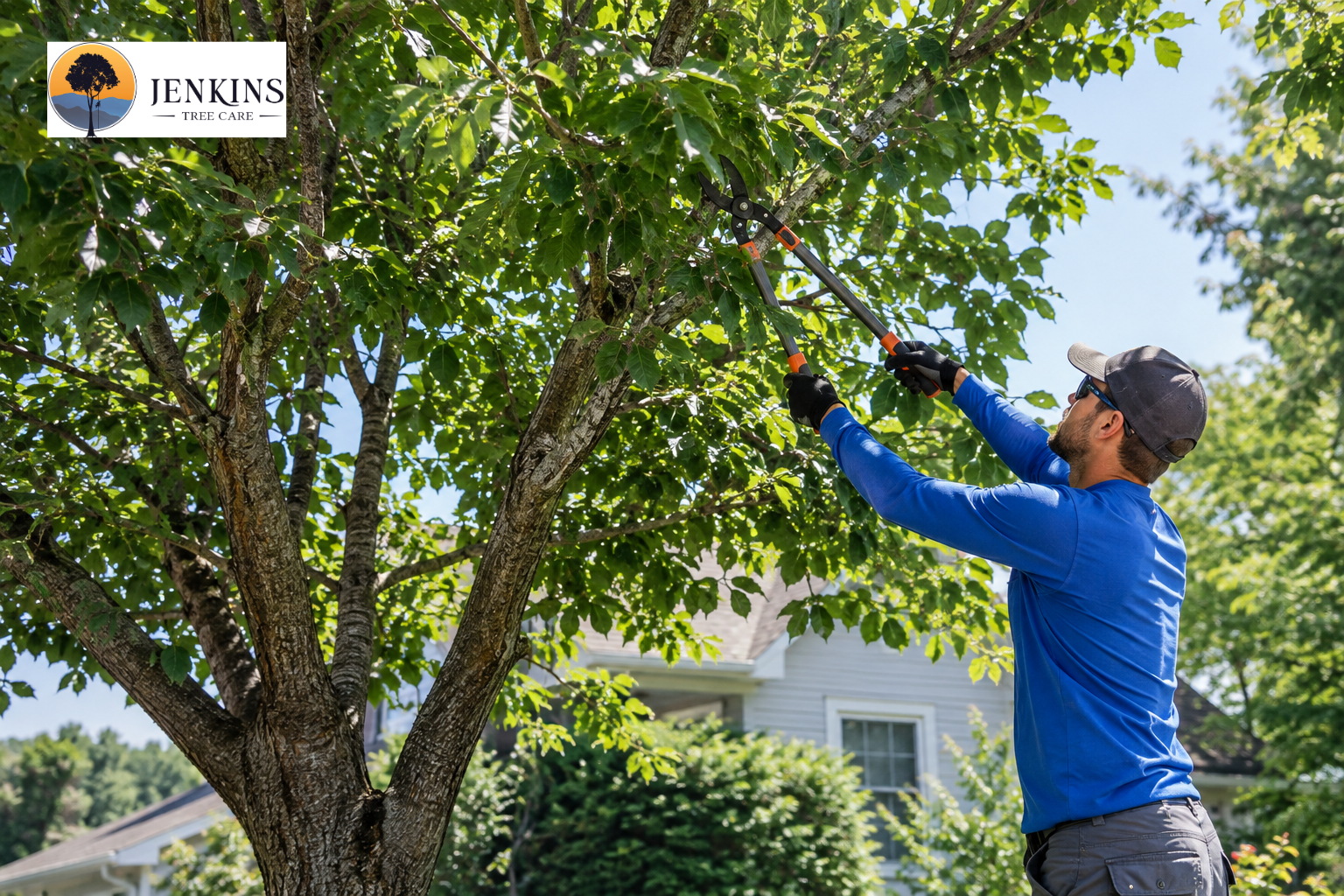
Selective pruning is a powerful maintenance tool. It clears dead or unhealthy branches, boosts airflow, reduces canopy weight, and maintains stable tree structure. Proper pruning also keeps branches away from roofs, wires, and walkways, lowering the risk of damage or injury.
Good pruning respects tree biology. Over-cutting can stress a tree, and bad cuts might cause decay or weak growth. That's why professional pruning is often better than a DIY job. For homeowners wanting trees to grow strong while protecting property, tree pruning is a wise investment.
Soil health and root zone care
Tree care isn't just about what you see above ground. Roots need air, water, and nutrients to thrive. Compacted soil, construction, poor drainage, and turf competition can weaken roots over time. When roots struggle, the whole tree is at risk.
Improving soil health might mean mulching, aerating, adjusting irrigation, or limiting traffic over root areas. These steps help trees develop strong support systems underground. Often, better soil management can extend a tree's life and reduce the need for drastic measures later.
How Tree Care Reduces Storm Damage Risk
Preparing trees before severe weather
Storms can reveal a tree's weaknesses. Heavy rain, wind, snow, and ice challenge trunks, branches, and roots. If the tree's canopy is unbalanced or branches are weak, it might not withstand the storm. Preventative trimming and structural support help lower that risk.
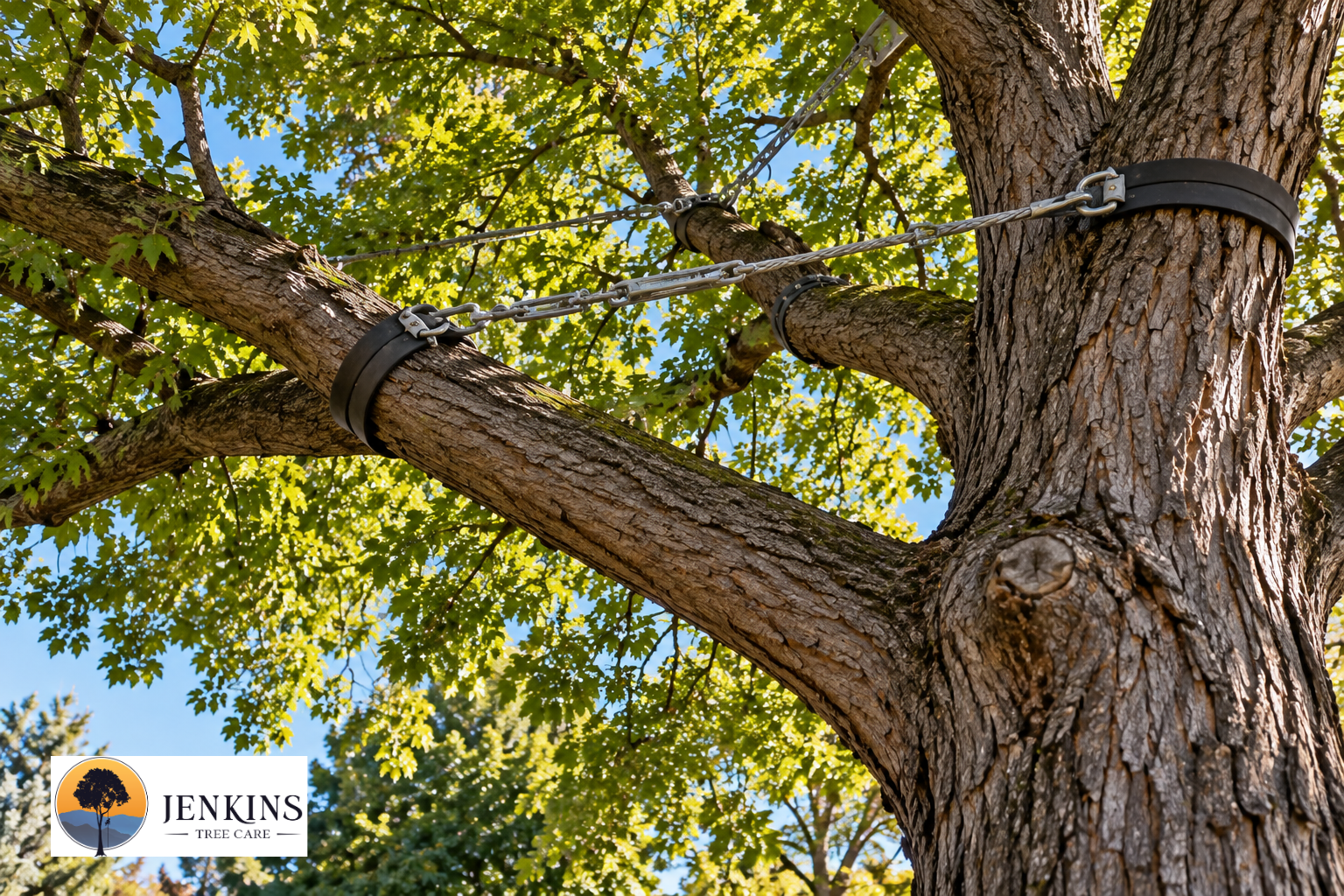
For valuable or mature trees, consider cabling and bracing. These can stabilize split trunks or heavy branches that might otherwise break during a storm. When done right, support systems preserve trees that might otherwise need to be removed.
Knowing when removal is the safer option
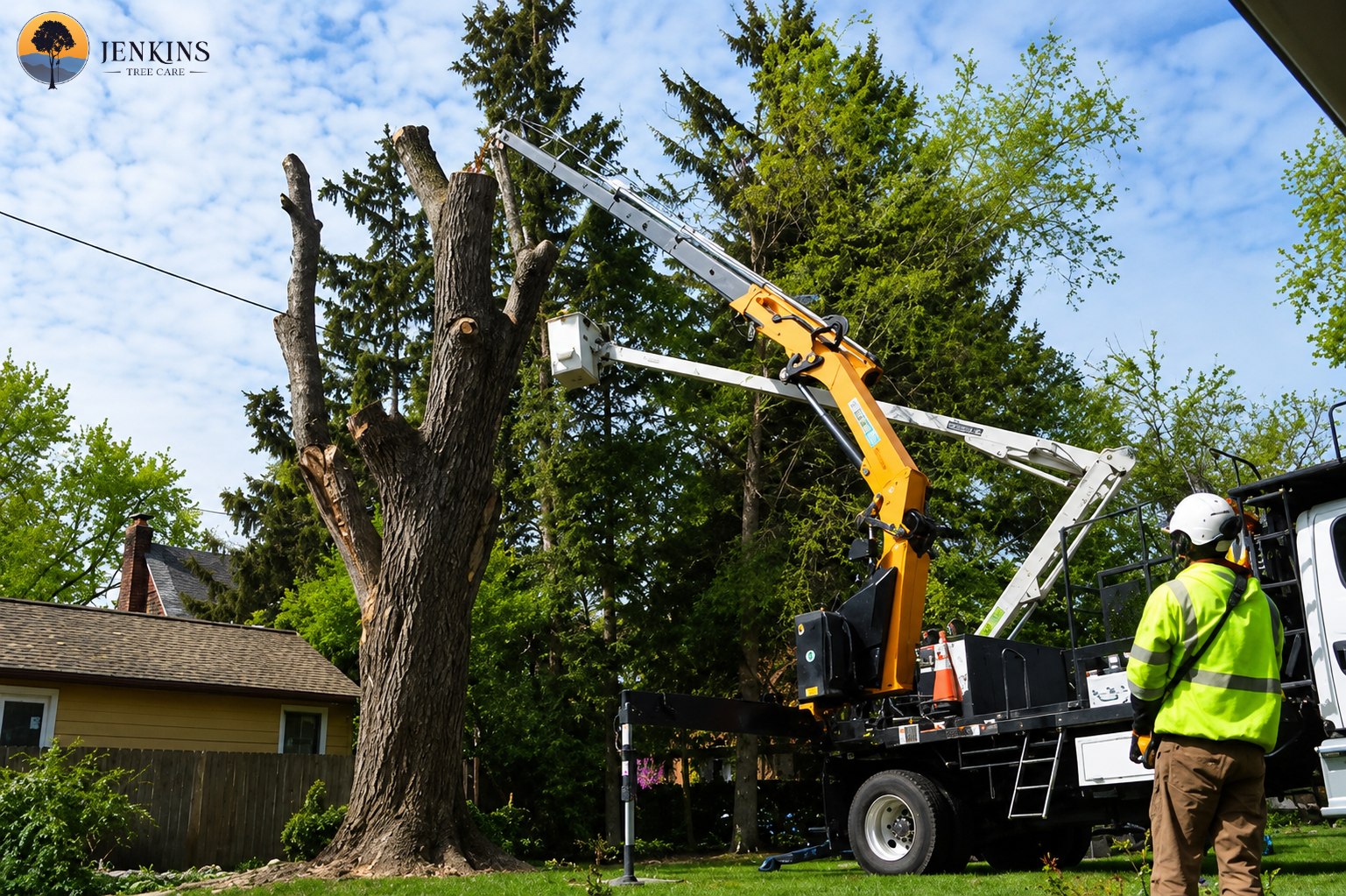
Sometimes, a hazardous tree can't be saved. If decay is advanced, roots are failing, or the tree leans dangerously, removal may be the best choice. While saving a tree is preferred, safety comes first when it poses a threat to people or property.
This is why emergency planning is crucial. Having a trusted tree removal service on speed dial means you can act fast if a tree becomes unstable after a storm or if a hidden problem is found during an inspection. Quick decisions can minimize damage and restore safety faster.
Emergency response and cleanup
After a storm, it's not just about removing a fallen branch. A tree might be caught on something or tangled with utility lines. That's dangerous work for trained professionals with the right tools and safety procedures. Cleanup might also mean removing brush, hauling debris, and stump work to fully restore access and appearance.
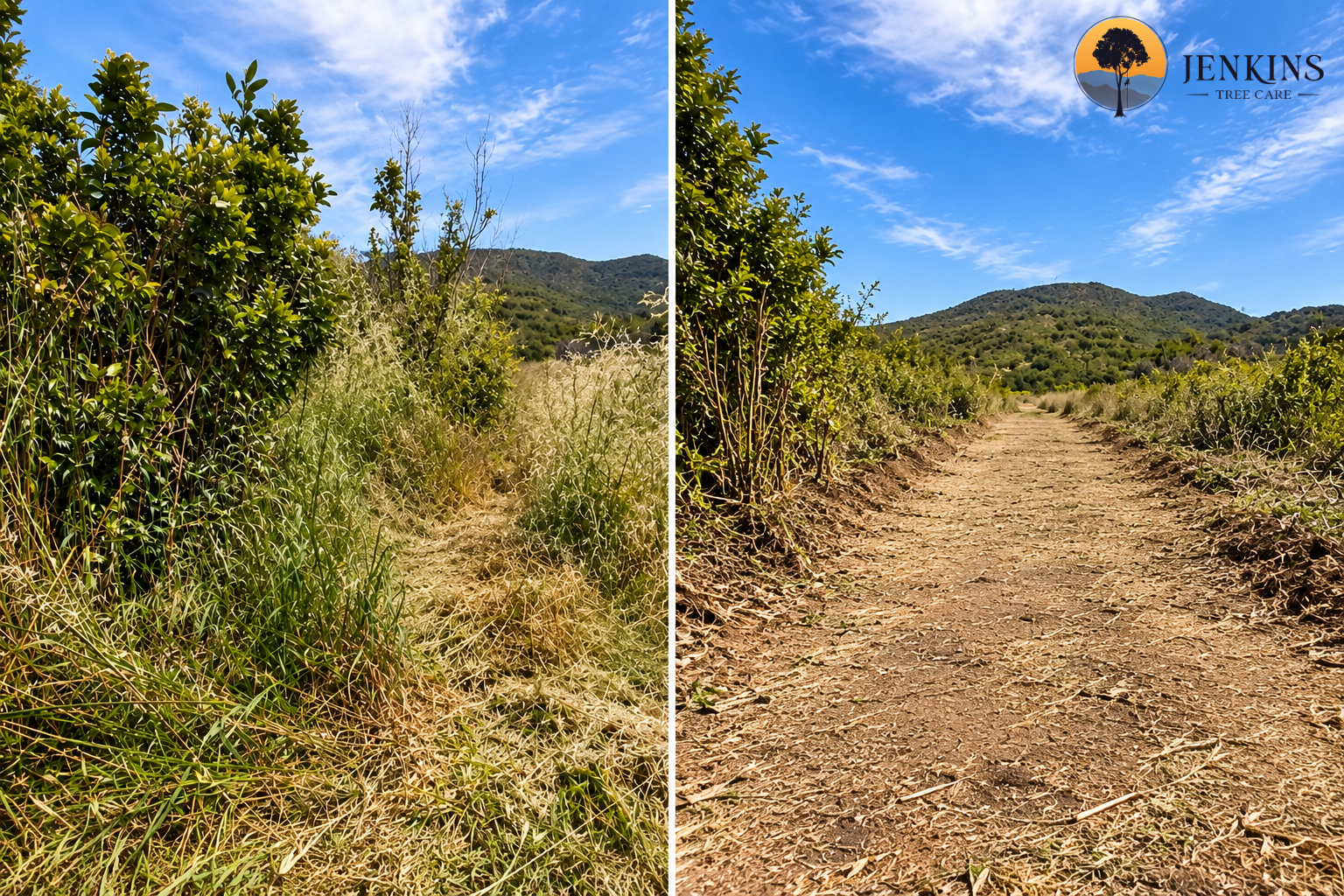
For properties needing a fast reset after a storm, brush removal can clear debris and make the yard safer to use. A complete response tackles immediate hazards and prevents ongoing issues like trip hazards, pest homes, and blocked drainage.
The Role of Technology and Sustainable Practices in Modern Tree Care
Advanced tools improve accuracy.
The tree care industry is embracing technology to make assessments more accurate. Modern equipment helps arborists check tree health, prune cleanly, and manage risks better. These tools reduce unnecessary cutting and improve intervention quality.
Technology also enhances documentation. Property owners get detailed info on tree conditions, next steps, and maintenance priorities. This is useful for larger properties or those with many mature trees, where tracking individual issues over time matters.
Sustainable management protects landscapes long term.
Sustainability is a growing part of tree care. This means keeping healthy trees whenever possible, recycling wood and debris responsibly, and making choices that support long-term resilience. Instead of quick removals, qualified arborists focus on keeping trees healthy and stable when it's safe.
Research into sustainable practices also shows how organized management can improve outcomes. A study on arXiv highlights how collaborative information management boosts sustainability in tree systems. While different from residential tree service, the point is clear: informed, data-driven management leads to better results.
Why education matters for property owners
One of the biggest trends is teaching homeowners. More tree damage can be avoided when owners know what to look for and when to seek help. Understanding what's normal versus distress saves time, money, and stress.
Informed owners are also more likely to invest in upkeep before small issues become big problems. This shift to proactive care helps trees live longer while reducing risks to homes, garages, and sidewalks.
Real-World Example: Proactive Care in a Mountain Climate
Why local conditions matter
Mountain areas face unique tree care challenges like steep slopes, changing soil, sudden weather changes, and fast-growing trees that can become stressed. Trees in these places may seem healthy but could hide risks, making local care crucial.
In Asheville and similar climates, mature trees need more than an occasional trim. They need ongoing monitoring, awareness of root zones, and careful planning around storms and improvements. Local experience counts because the same tree can behave differently depending on site conditions.
How a maintenance plan helps over time
Think of a property with several large shade trees near a home and driveway. A first-year check might show dead limbs on one tree, another with poor branch unions, and a third with compacted roots from foot traffic. Instead of handling these issues one by one as they worsen, a plan can prioritize actions in the right order.
This plan might include pruning, root zone improvement, selective cabling, and occasional reevaluations. Sometimes, a tree may need to be removed, but the decision is based on evidence, not urgency. This is exactly the thoughtful care companies like Jenkins Tree Care offer, focusing on preventative maintenance and custom solutions.
Common Questions Homeowners Ask About Tree Maintenance
How often should trees be inspected?
Annual inspections are a good starting point for most properties. Trees near buildings, driveways, or play areas might need more frequent checks, especially if they're mature or have shown stress before. After major storms, check as soon as it's safe.
Some homeowners schedule inspections after big changes like grading, construction, or major pruning. This helps catch new stressors before they affect stability. The right schedule depends on both the tree and its surroundings.
Can homeowners do tree maintenance themselves?
Basic tasks like watering, mulching, and removing small dead twigs might be manageable for homeowners. But anything involving climbing, chainsaws, large branches, or unstable trees should be left to pros. DIY pruning mistakes can lead to weak regrowth or increased disease risk.
Homeowners should also be wary of symptoms. A tree with yellow leaves or sparse foliage might be suffering from drought, root issues, pests, or disease, each needing a different response. A professional assessment helps avoid misdiagnosis and unnecessary work.
When should a tree be removed?
Removal is the right choice when a tree is unsafe, declining badly, or too close to property to fall safely. Large cavities, significant root damage, repeated branch failures, and extensive decay are common reasons for removal. The goal is always to save trees when possible, but not at the expense of safety.
If you're unsure about removal, it helps to compare options with a trusted arborist. Resources like when to trim versus remove a tree can help you understand the choices before booking a service.
How to Build a Long-Term Tree Care Plan
Start with a property-wide assessment.
A solid maintenance plan starts with a full view of the property, not just one tree. Look at tree location, species, age, proximity to structures, and stress signs. This helps prioritize high-risk trees and identify valuable ones for preservation.
Properties with a mix of mature trees and young plantings benefit from planning. Young trees might need structural pruning, while mature ones might need risk reduction and root care. The result is a healthier, balanced yard over time.
Schedule work before it becomes urgent
Sometimes emergency tree service is needed, but it's usually more stressful and costly than planned maintenance. Scheduling pruning, inspections, and support work ahead can reduce disruption and ease property management. It also gives time to weigh options and make informed choices.
If your yard shows warning signs, don't wait for a storm or visible failure. Proactive scheduling often means better outcomes for both the tree and the property. For many homeowners, a good first step is a consultation for tree trimming or a broader property assessment.
Keep records and reassess regularly.
Long-term tree care works best when you keep a simple record of inspections, pruning dates, storm impacts, and recommendations. This history helps spot patterns and makes future decisions easier. It's especially helpful for older trees that deserve preservation when possible.
Reassessment is key because trees and properties change over time. A tree that was low risk five years ago may now be more vulnerable due to growth, weather, soil changes, or nearby construction. Regular reviews keep the plan aligned with the real condition of the yard.
Conclusion: Protect Your Property with Proactive Tree Care
Tree care is a great way to protect your property long-term. When trees get regular check-ups, proper pruning, and solid soil and structural management, they become safer and healthier, adding value to your property. The benefits are not just visual—fewer hazards, fewer emergency repairs, and a stronger yard overall.
Whether you need routine maintenance, a risk assessment, or help deciding between pruning and removal, a professional arborist can guide you to the right solution. If your property has trees that need attention, now's the time to act. Check out our tree cabling, explore your options for tree removal, and contact Jenkins Tree Care for a custom plan that protects your home, trees, and peace of mind.