Why Tree Roots Can Damage Your Property
Tree roots are crucial for keeping trees healthy, but they can also be a bit of a troublemaker when growing near things like foundations, driveways, sidewalks, and underground utilities. The roots are pulling water and nutrients from the soil and holding the tree up, but they can also crack pavement and lift soil if they're too close. If you're seeing signs of this, like cracking or buckling, getting some professional tree pruning might help stop the problem from getting worse.
This is particularly important in areas with older trees, like Asheville, where tree roots have had plenty of time to get close to homes and infrastructure. The U.S. Forest Service says that while urban trees are great for the environment, they can cause issues with nearby structures if not managed well. If you want to understand how roots cause damage, spot the warning signs, and learn what you can do to prevent it, this guide is for you.
How Tree Roots Grow and Why That Matters
Roots aren’t as deep as you might think.
Many people think that tree roots go deep into the ground, but most of them actually spread out horizontally just 12 to 18 inches below the surface. This means they often share space with things like sidewalks and foundations, which can cause problems over time.
Roots are pretty smart, too. They grow towards water and nutrients, so a leaky pipe or poorly drained yard can attract them. According to the U.S. Forest Service, trees adapt to their environment, which can be great for them but not so great for structures nearby. That's why it's important to understand the conditions around your property.
Roots can extend far beyond the canopy.
A common rule is that roots can spread two to three times beyond the tree's canopy. So, even if a tree looks far away from your driveway, its roots might be lurking underneath. They tend to grow where it’s easiest, which means the longest ones aren’t always the deepest. If you're planning any landscaping or construction, working with experts in brush removal and site clearing can help avoid root conflicts.
Common Types of Property Damage Caused by Tree Roots
Foundation movement and cracking
One big worry is that roots can damage foundations. They usually don’t crush them, but they can cause the soil to shift, which might lead to cracks, especially in clay-heavy soils that change with moisture levels. If roots are too close to a building, an arborist might suggest root management, better drainage, or even tree removal if it’s a safety issue.
Sidewalk, curb, and driveway lifting
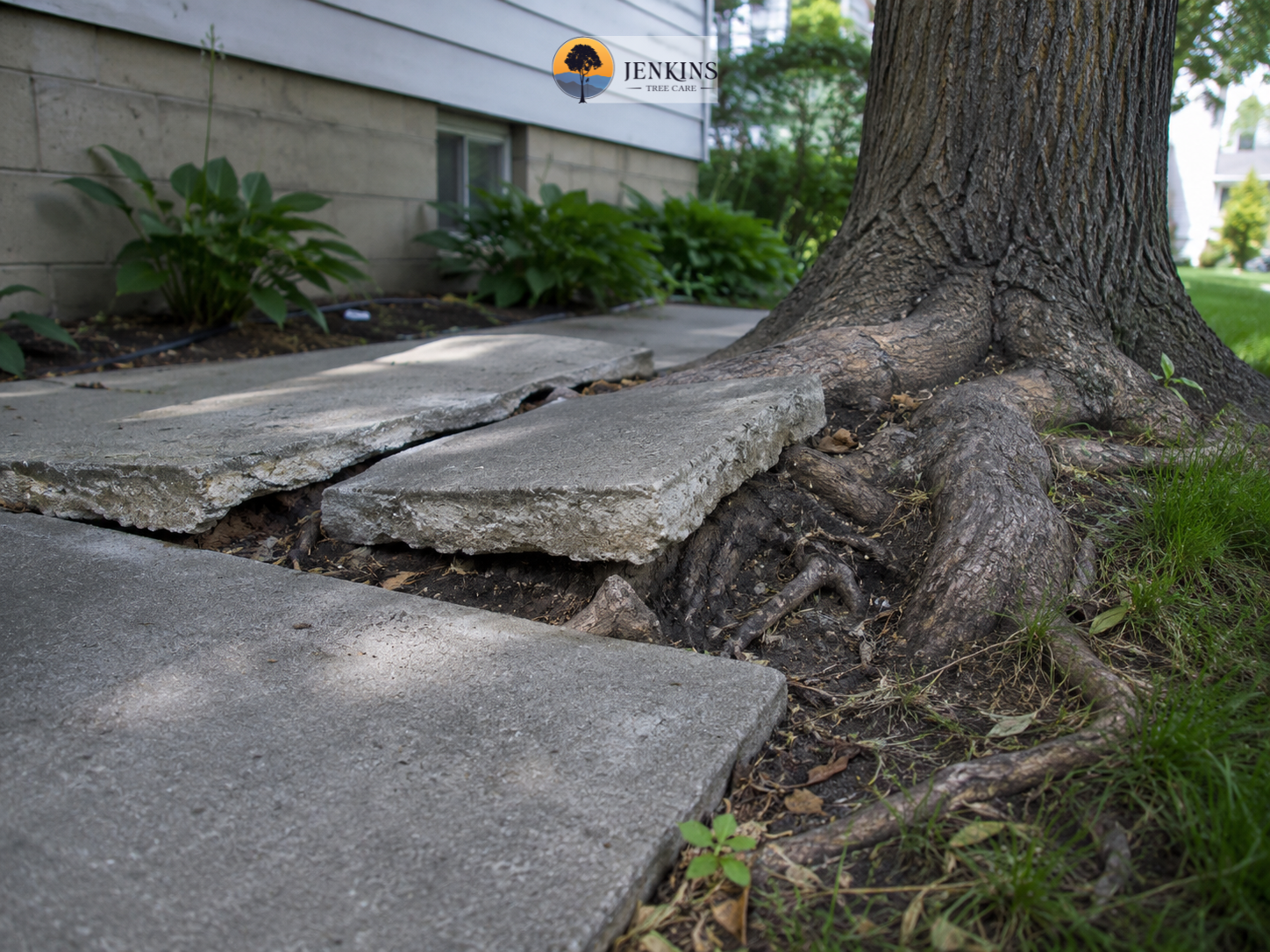
Roots are known for lifting sidewalks and cracking driveways because these surfaces can’t move with them. As roots grow, they push up against concrete and asphalt, creating hazards and expensive repairs. A study highlighted that tree-related curb and gutter repairs make up a significant portion of sidewalk repair costs in urban areas. For homeowners, keeping concrete smooth is more than just looks—it’s about safety. Sometimes, tree trimming and root barriers can help.
Damage to underground utilities and plumbing
Roots are drawn to moisture, which means they can mess with sewer and water lines, leading to blockages. Even a tiny crack in a pipe can let roots in and cause big problems. If drains back up or your yard is wet when it shouldn’t be, roots might be the cause. The U.S. Environmental Protection Agency suggests managing water well and maintaining infrastructure to reduce these issues. Catching damage early can save a lot of money.
Why Asheville Properties Face Unique Root Challenges
Diverse tree species create different root behaviors
Asheville is home to a variety of trees, each with different root habits. Some have wide, surface-level roots, while others are more compact. This variety means that what works in one yard might not in another. It’s important to choose the right tree for your space to avoid future issues.
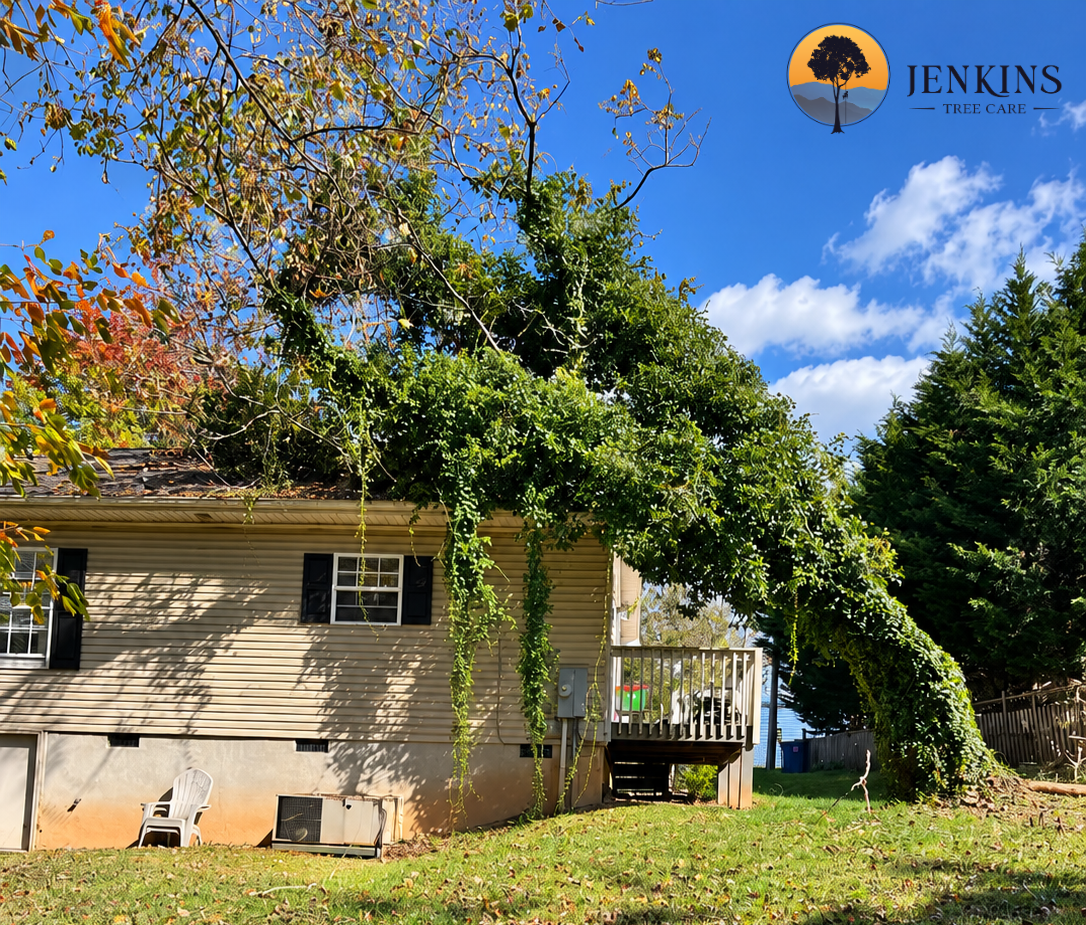
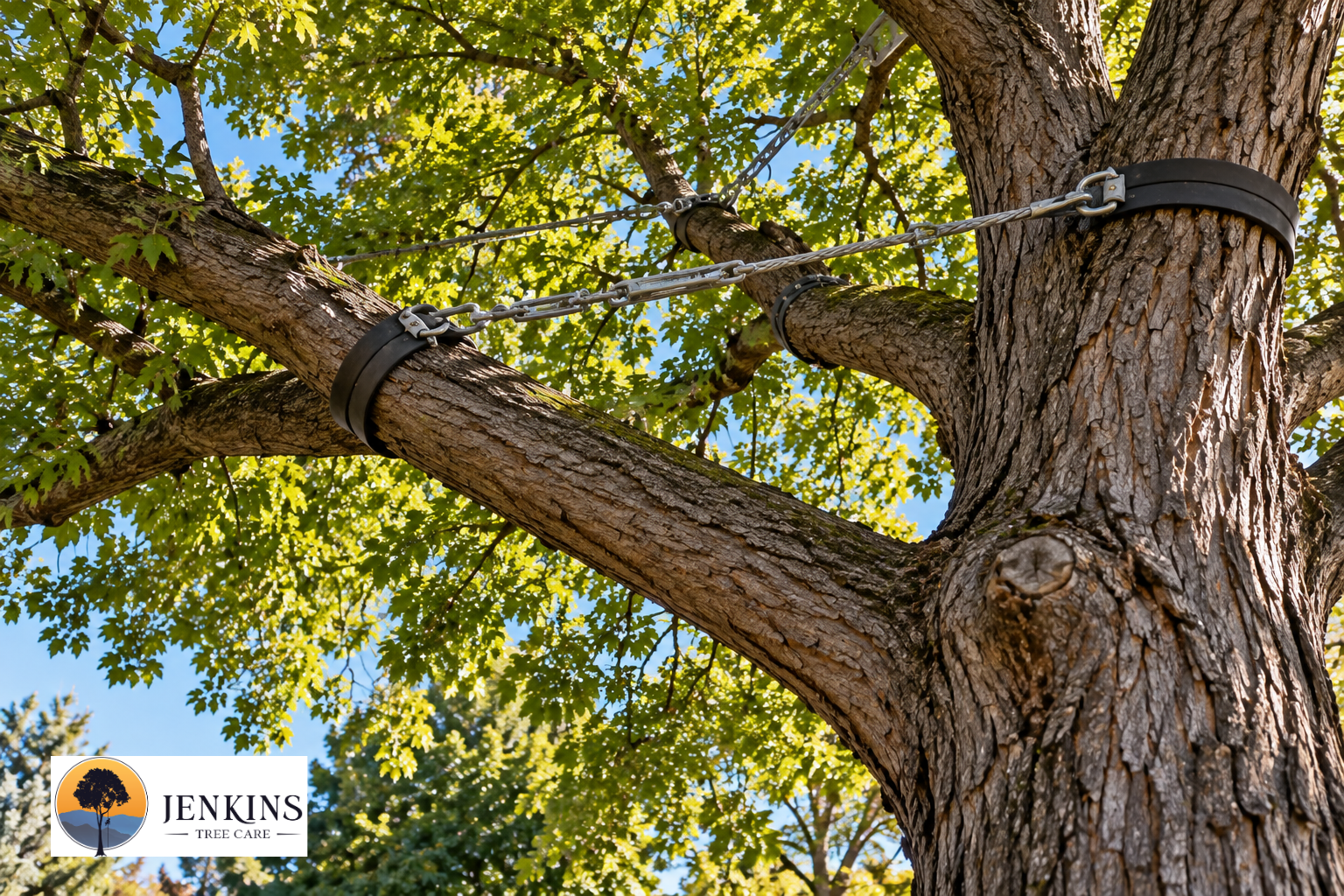
In dense neighborhoods, roots can clash with sidewalks and driveways, so planning is key. Local property owners often benefit from site assessments before making changes. Sometimes, tree cabling is needed for support rather than removal.
Soil conditions and rainfall patterns influence root behavior
Soil type affects root growth. Rocky soil might make roots spread out, while compacted soil keeps them near the surface. In areas with varying rainfall, roots can become more aggressive during dry spells. This can lead to damage even if the tree looks healthy.
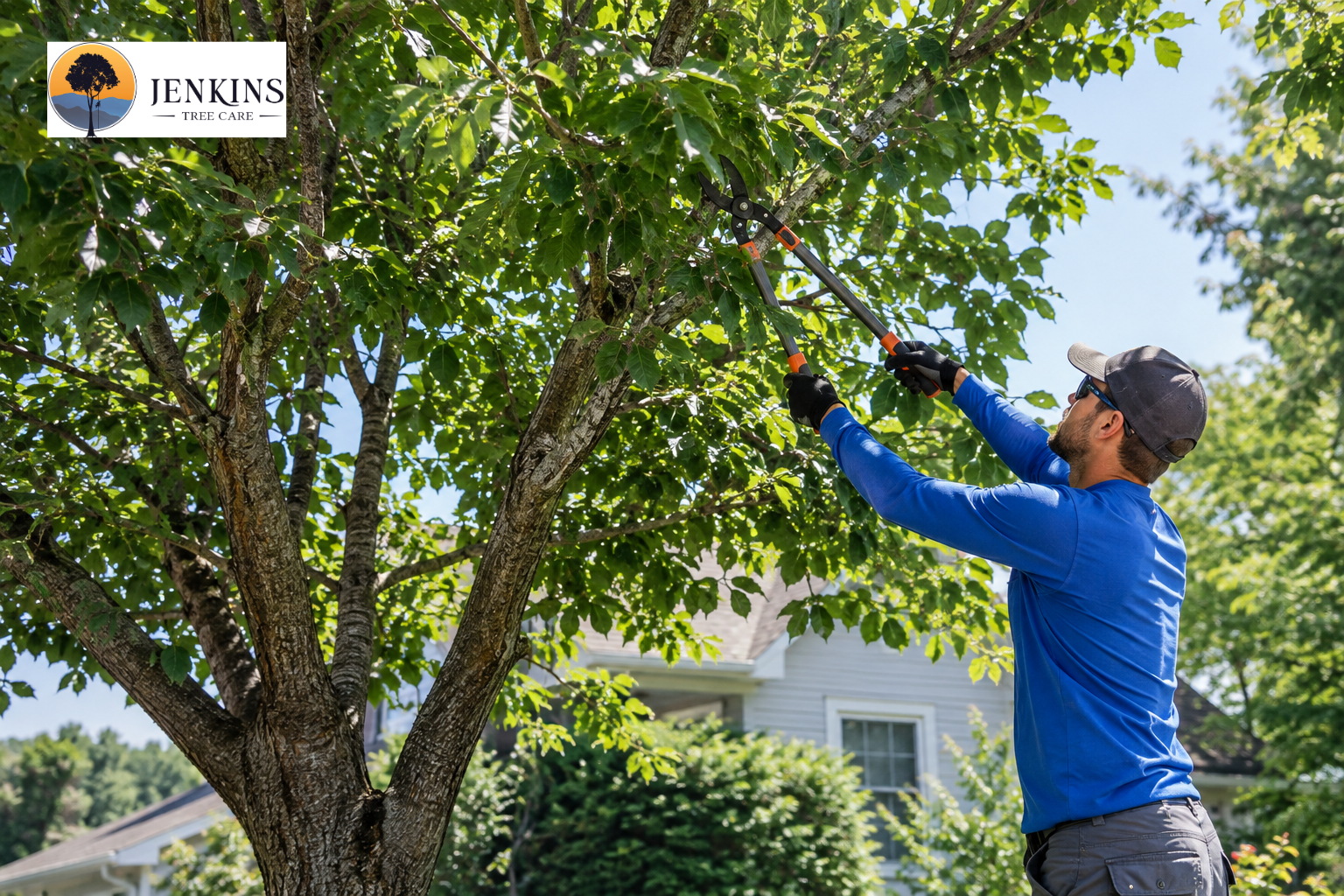
In Asheville’s diverse terrain, it's smart to have a professional check if trees need pruning or protection. For those planning construction, a consultation beforehand can prevent issues down the line.
Signs Tree Roots May Already Be Causing Damage
Visible warning signs around hardscapes
Check around your property for uneven concrete, lifted pavers, or cracks near curbs and walkways. These can be signs that roots are disturbing the soil. If repairs don’t last, roots might be the problem. In these cases, cosmetic fixes won’t work, and you should look for the root cause. An arborist might recommend root pruning or other solutions.
Moisture problems and plumbing symptoms
Root damage isn’t always obvious. Slow drains, wet spots in the yard, and sewer smells can all point to root issues. A plumbing camera can confirm if roots are in your pipes. Pay attention to soil moisture changes near your home, as they can indicate root expansion.
Best Practices for Preventing Root Damage
Choose the right tree for the right place.
Prevention starts when you plant. Match the tree type to the available space and keep it away from sidewalks and foundations. Smaller, less invasive trees are better for small yards. Consider the tree’s mature size, not just its current size, and get professional advice if needed.
Use root barriers and soil planning strategically.
Root barriers direct roots away from important structures. They don’t stop growth, but can guide it safely. Install them properly to avoid creating pressure elsewhere. Combine barriers with healthy soil practices like aeration and mulch for the best results.
Schedule regular tree assessments.
Have trees checked regularly, especially after storms or construction. Arborists can spot risks early, like weak roots or soil instability. Regular checks help decide if a tree needs pruning or support. For larger properties, combine assessments with stump grinding for maintenance.
What Experts Recommend When Roots Are Too Close
Selective root pruning instead of drastic removal
If roots are causing problems, removing them entirely isn’t always the answer. Selective root pruning by a professional can ease pressure while keeping the tree stable. This should never be a DIY project, as incorrect pruning can harm the tree.
Removal when safety is the priority
Sometimes, removal is necessary, especially if roots have caused serious damage or the tree is declining. This protects properties from higher costs and risks. In Asheville, there was a case where a hemlock near City Hall had to be removed for safety. Even cherished trees can become a hazard.
Insurance, Repairs, and Documentation Tips
Know what to document before filing a claim.
If you think tree roots have caused damage, document everything with photos and notes before making changes. This will help with insurance claims. Check your policy to understand what's covered, as some might not cover gradual damage.
How to reduce future costs
The best way to save money is to prevent problems. Regular care and early intervention are cheaper than big repairs. If a tree needs to be removed, doing it early can save the rest of your landscape. Tree care is about keeping your property safe.
For a safer landscape, work with a tree care professional to plan your next steps. Services like tree trimming and pruning reduce risks while keeping trees healthy.
Frequently Asked Questions About Tree Root Damage
Can tree roots break a foundation?
Roots typically don't break concrete directly, but can cause soil movement that leads to issues. If you see movement, get an inspection quickly.
How far do roots typically spread?
Roots can spread two to three times beyond the canopy, staying near the surface. Their reach depends on the tree and soil.
Can roots be removed without killing the tree?
Yes, sometimes. Selective pruning can help, but it must be done carefully. A professional can advise if the tree can stay healthy post-pruning.
What should I do if I suspect root damage?
Document the issue and schedule an inspection. Avoid major DIY work near roots until you know the risks. Professional evaluations can save both trees and property.
Protect Your Property Before Small Root Problems Become Big Repairs
Tree roots are vital for healthy growth, but they can also cause property damage if planted too close to structures or in tough soil. Cracked concrete, plumbing failures, and foundation movement often sneak up over time, so early awareness is key. Many root problems can be managed or avoided with smart planning and maintenance.
If you're worried about roots near your home or business, take action now. A professional assessment can help decide if the tree should be kept, supported, or pruned. Jenkins Tree Care offers reliable service for those wanting practical solutions and safer outdoor spaces. Check out our services and schedule your next step today.