How Healthy Trees Add Value to Your Property
Healthy, mature trees do more than just complete a yard. They can change how buyers see your home, make it more comfortable, cut energy costs, and boost its long-term appeal. If you're into landscaping for value, trees are a solid investment that adds both beauty and function. With the right care, they become assets instead of headaches.
In this guide, we’ll explore how healthy trees add value, why buyers love well-kept landscapes, and what practical steps can help maintain this value over time. Services like tree pruning, tree trimming, and tree cabling can help your trees look better, last longer, and contribute more to your property’s worth.
Research shows that thoughtful landscaping can impact property appraisals and selling speed. A well-placed tree can provide shade, soften architecture, offer privacy, and enhance the overall sense of place. Especially in neighborhoods with a focus on sustainability, mature trees are often one of the first things buyers notice. That first impression can be more important than you might think.
Why Healthy Trees Influence Property Value
First Impressions Matter to Buyers
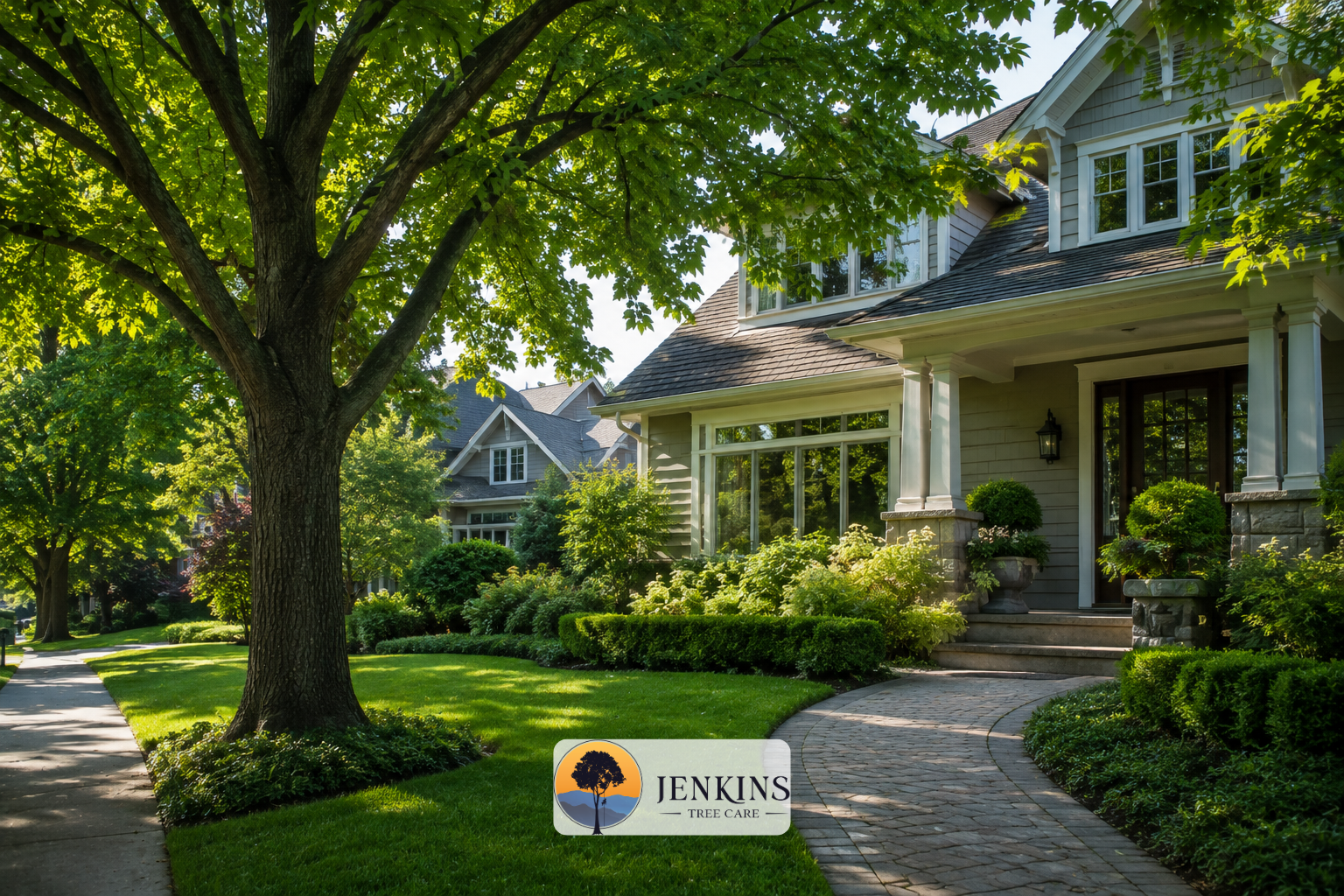
Curb appeal is crucial when people judge a home before even stepping inside. Healthy trees show that a property is cared for, established, and visually appealing. A yard with clean lines, strong tree structures, and a nice canopy can feel more welcoming and expensive than one with sparse or neglected landscaping.
Buyers also link mature trees to neighborhood stability and long-term livability. Streets lined with healthy trees often feel quieter, cooler, and more private. That emotional response can influence strong offers and demand, especially when buyers compare homes that seem similar otherwise. For homeowners, this makes tree health a real factor in property appraisal, not just aesthetics.
Healthy Trees Support Stronger Appraisals
Research in arboriculture suggests that mature trees may increase property value by 7% to 19% when maintained properly and placed appropriately. For example, a survey in Athens, Georgia, found that tree landscaping was linked to a 3.5% to 4.5% increase in sales prices. Other studies show tree-lined streets can speed up sales and raise perceived value. The exact numbers depend on tree condition, species, location, and neighborhood context, but the trend is clear: healthy trees can offer measurable financial benefits.
But remember, trees only add value when they’re assets, not liabilities. A leaning trunk, broken canopy, root conflict, or dead limbs can turn a valuable tree into a risk. That’s why regular maintenance, inspection, and structural support are crucial. To protect its value, treat tree care as part of property management, not just an occasional task. Sometimes, professional tree removal is the best way to preserve property value if a tree is too damaged or hazardous.
Healthy Trees Improve Buyer Confidence
A well-maintained landscape gives buyers confidence that the rest of the home is well cared for too. This is a subtle but important psychological effect. When trees are pruned correctly, lawns are tidy, and deadwood is removed, the home feels low-risk and well-managed. That confidence can help shorten time on market and encourage better offers.
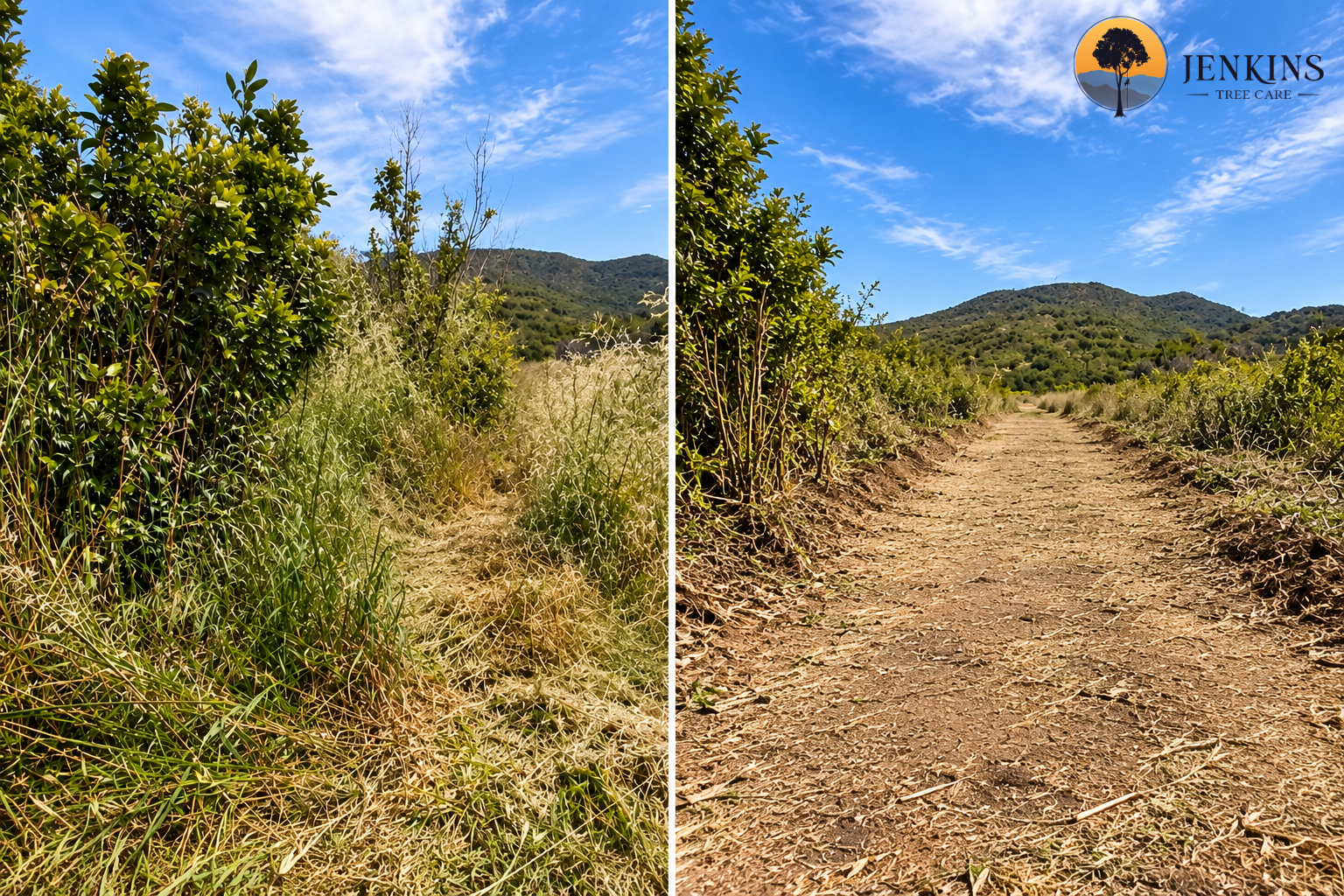
For sellers, even small improvements can make a big difference. Shaping the canopy, clearing it, and removing weak growth all contribute to a more polished exterior. If the property has overgrowth around the yard or along fence lines, brush removal can help the landscape feel more open and usable, which buyers often see as added value.
The Energy Savings Hidden in Strategic Tree Care
Shade Trees Can Reduce Cooling Costs
One of the most practical perks of healthy trees is energy efficiency. Strategically placed shade trees can cut summer cooling costs by 20% to 35%, according to arboricultural research. Trees that shade windows, roofs, and west-facing walls reduce solar heat gain, helping HVAC systems work less during the hottest part of the day. Over time, those savings can be significant for homeowners.
It's not just about lower utility bills. Energy-conscious buyers often look for homes with lower operating costs, and mature shade trees can be part of that story. In an age where sustainability matters more to consumers, a property with smart landscaping may feel both modern and responsible. For more on the environmental benefits of trees and urban canopy cover, check out the U.S. Forest Service’s urban forestry resources at fs.usda.gov.
Windbreaks Improve Winter Efficiency
In colder months, trees can also shield a home from harsh winds. Windbreak trees help reduce winter heat loss and may lower heating costs by 10% to 20% when placed correctly. This benefit is especially useful for exposed lots, hillside properties, or homes with wide-open northern exposure. A healthy tree line works as a natural buffer that improves comfort and lowers seasonal stress on the home.
Of course, windbreak planting requires planning. Trees placed too close to the house can cause future problems with roots, limbs, or moisture. It’s best to work with an arborist who understands mature size, spacing, and long-term growth patterns. Proper planning today can prevent expensive corrections later and ensure the property gains value rather than loses it.
Tree Health Supports Sustainability Trends
Homebuyers increasingly value sustainable landscaping, and healthy trees fit that demand perfectly. A property that uses living shade instead of overbuilt hardscape can feel more eco-friendly and cost-effective. This trend is part of a larger movement toward urban forestry, native planting, and lower-maintenance landscapes that support local ecosystems.
For homeowners in Asheville and surrounding areas, this matters even more because local climate and topography support a wide variety of species. Native and adaptable trees can thrive with less intervention and create a strong visual identity for the home. For ongoing support for healthy growth, customized tree trimming and seasonal pruning schedules help keep canopy structure efficient and attractive.
What Makes a Tree a Valuable Asset Instead of a Liability
Structural Integrity Matters
A healthy tree holds more value when it’s structurally sound. Strong branch unions, balanced weight distribution, and a stable trunk all lower the risk of storm failure. Trees with included bark, split leaders, or severe lean may look nice but can become liabilities if the risk of failure is high. That’s why structural evaluation is key in long-term property planning.
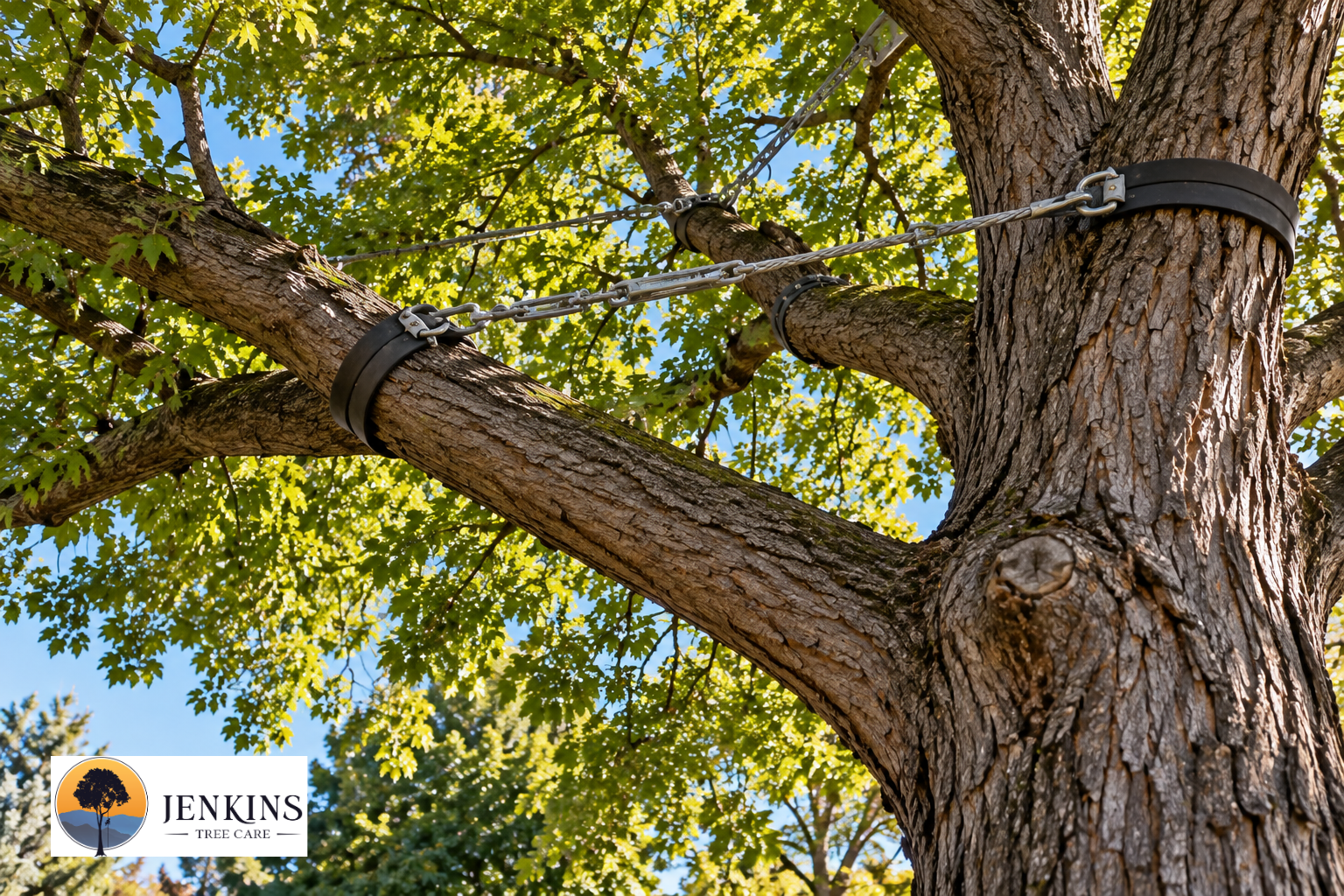
Arborists often recommend support systems when a valuable tree shows signs of weakness. In the right situations, tree cabling can help support split trunks or weak limbs and preserve the tree’s value while reducing risk. This is especially useful for mature specimen trees that contribute heavily to the property’s identity and market appeal.
Species Selection Affects Long-Term Returns
Not every tree adds value in the same way. Native and adaptable species like oaks and maples are often recommended because they can live long, provide consistent shade, and require less intensive maintenance when correctly placed. Trees with strong form, manageable litter, and good disease resistance tend to be more attractive to buyers than short-lived ornamentals with higher upkeep needs.
Choosing the right species also helps avoid future conflicts with foundations, driveways, and utility lines. A tree that looks beautiful today but outgrows its space can become a cost center later. In contrast, trees selected for mature size, canopy shape, and site conditions usually deliver better returns over decades. For species selection and pest concerns, it helps to reference educational sources like North Carolina State Extension at ncsu.edu.
Health and Maintenance Shape Perceived Value
Buyers notice whether a tree has been cared for. They see dead branches, dense crossing limbs, discolored foliage, and damaged bark. They also notice when a canopy is clean, balanced, and lifted away from structures. Regular care turns trees into assets because it shows that the property is safe, organized, and professionally maintained.
Maintenance is also one of the easiest ways to protect against hidden costs. A neglected tree may eventually require emergency work, storm cleanup, or removal. A tree that is pruned, monitored, and supported can provide decades of returns. This is why preventative care is more valuable than waiting for visible damage. If a tree has already become unsafe, tree removal may be needed to keep the property marketable and reduce liability.
How Tree Placement Changes Property Value
Shade and Privacy Increase Desirability
Where trees are planted matters as much as which trees are planted. A canopy that shades a patio, driveway, or west-facing windows can improve comfort and reduce energy use. Trees that create privacy along a side yard or street edge can make outdoor space feel more intimate and usable. These practical benefits often translate into dollar value for buyers.
Strategic placement also helps balance the landscape. Trees can soften hard edges, frame architectural features, and guide the eye to the most attractive parts of a property. Done well, this creates a sense of harmony that makes a home feel larger, more complete, and more expensive. This is why professional pruning and canopy shaping are essential for enhancing curb appeal.
Avoiding Common Placement Mistakes
Some of the most costly landscaping problems start with trees planted too close to homes, driveways, septic systems, or retaining walls. As trees mature, roots expand, and branches spread, creating conflicts that reduce property value. Cracked pavement, clogged gutters, and encroaching limbs all send the wrong signal to buyers and appraisers.
Homeowners can avoid many of these problems by thinking long-term. Before planting, consider mature height, spread, root behavior, and sun exposure. If a mature tree is already causing issues, an arborist might recommend pruning, support, or selective removal depending on the risk. In many cases, professional tree care preserves more value than simply letting the tree grow unchecked.
Landscaping That Matches the Home
The best landscapes feel intentional. Trees should complement the architecture, lot size, and neighborhood style instead of overpowering them. A small home can be overwhelmed by large, poorly placed trees, while a larger property may look bare without substantial canopy cover. Matching tree design to the home’s scale helps maximize visual and financial impact.
This is especially important in communities with diverse lots and elevation changes. Homes on slopes, wooded parcels, or older residential streets benefit from tailored tree care plans. For homeowners seeking a cleaner and safer outdoor environment, regular tree pruning and selective brush removal can keep the landscape attractive without making it feel overgrown.
Real-World Research and What It Means for Homeowners
Athens, Georgia and Measurable Sales Impact
A study of 844 single-family residential properties in Athens, Georgia, found that landscaping with trees was linked to a 3.5% to 4.5% increase in sales prices. That may sound modest at first, but on a high-value home, the increase can be significant. More importantly, the study shows that tree cover is not just decorative; it's part of what buyers are willing to pay for.
The takeaway for homeowners is simple: the condition and presentation of trees matter. A healthy, attractive canopy adds to the property’s value when it looks intentional and well-maintained. Trees that are damaged, unhealthy, or crowding the structure can work against that benefit, so regular care is essential.
Tree-Lined Streets and Faster Sales
Additional research shows that homes on tree-lined streets often sell for more and attract more viewings. The effect can be especially strong in lower-income neighborhoods, where well-kept trees stand out as a sign of stability and pride of ownership. Buyers often see mature canopy cover as evidence of a stronger community environment and a more pleasant day-to-day experience.
This shows that trees influence not just one house, but the whole block. A healthy neighborhood canopy can increase perceived safety, encourage walking, and make the area feel more established. This is why urban forestry has become a key topic in planning, property management, and environmental design.
Technology Is Improving Tree Care Outcomes
The tree care industry is also changing quickly. Drones are increasingly used for canopy assessments, allowing arborists to evaluate upper limbs without unnecessary risk. AI-supported disease detection is helping identify problems earlier, when treatment is often more effective and less expensive. These tools make modern tree care more accurate and proactive, which is good news for homeowners seeking to protect property value.
Technology doesn't replace experienced arborists, but it does enhance the quality of decision-making. Better diagnostics lead to better pruning, better support strategies, and better timing for maintenance. When combined with local knowledge, these tools help preserve healthy trees that continue to contribute to curb appeal, safety, and resale value.
Maintenance Practices That Preserve Value
Pruning at the Right Time
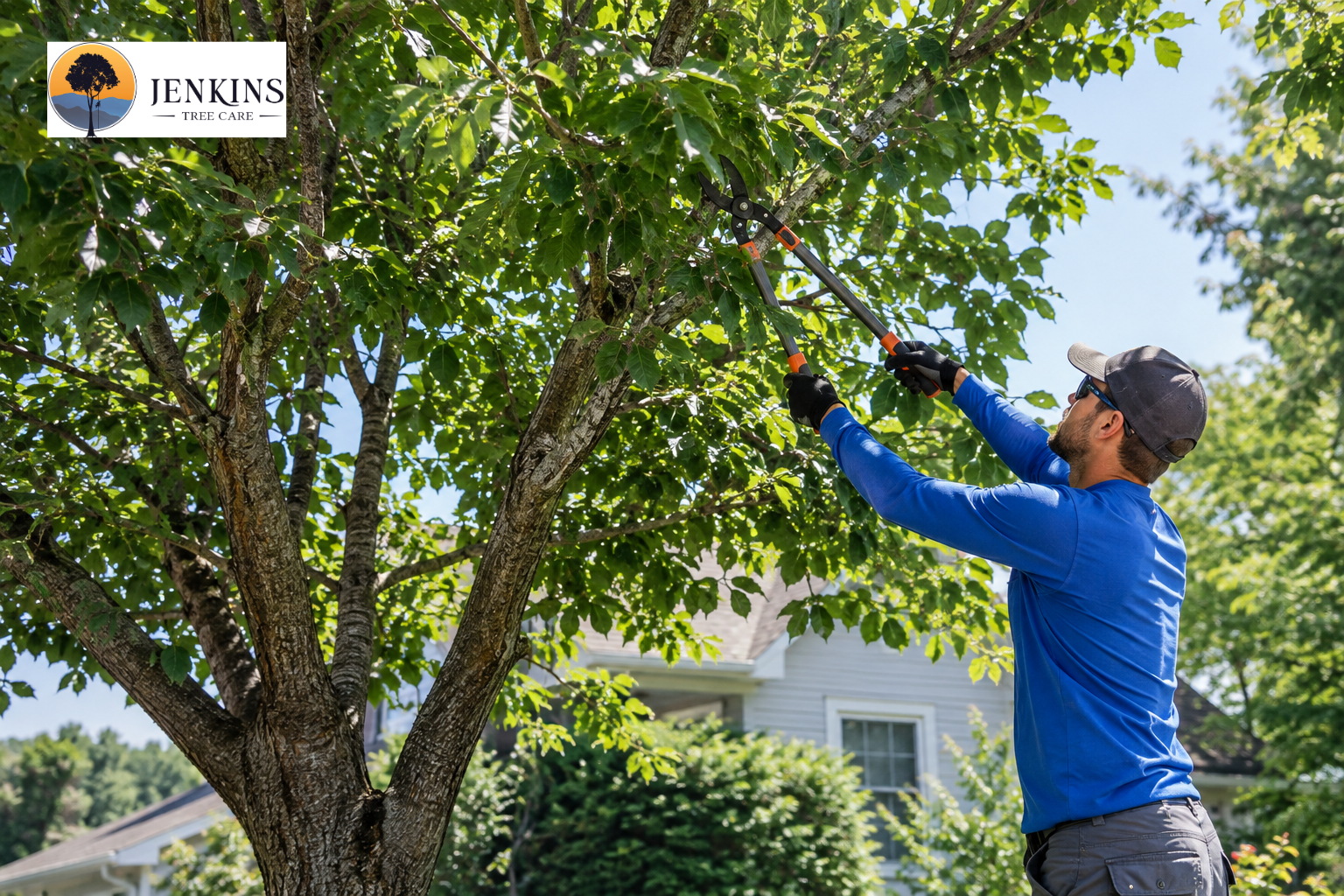
Regular pruning is one of the most effective ways to keep trees valuable. Proper cuts remove weak or crossing limbs, improve airflow, and support a stronger structure. They also reduce the chance of storm damage and prevent branches from interfering with roofs, driveways, or walkways. A tree that's pruned well tends to look cleaner and grow in a more desirable direction.
Timing matters too. Different species respond best to different seasons and pruning strategies, which is why professional guidance is so useful. If you want to avoid overcutting or improper shaping, rely on experienced tree crews. For guidance on growth-focused care, see our related article on expert tree pruning in Asheville.
Routine Health Assessments
Healthy trees should be inspected regularly for signs of disease, pest damage, root stress, and structural weakness. Problems caught early are usually easier and less expensive to fix. Health assessments also help determine whether a tree can be preserved with pruning, cabling, or treatment, or whether removal is the safer long-term choice.
For homeowners, this creates an opportunity to plan rather than react. A seasonal inspection schedule can help maintain both safety and value. This approach also supports longer tree life, increasing the odds that mature landscaping will continue delivering benefits for years to come.
Cleanup and Site Readiness
Even healthy trees can produce debris that affects the appearance and usability of a property. Fallen limbs, dense undergrowth, and leftover stumps can make a yard feel neglected. That’s why cleanup services matter as part of a value-focused maintenance plan. A tidy property appears larger, safer, and easier to maintain, all of which support a stronger impression on buyers.
If a prior removal left behind an obstacle, stump grinding can reclaim the space and eliminate a visual distraction. Likewise, removing excess limbs and debris with brush removal can improve the overall look of the yard and make future landscaping easier.
Common Questions Homeowners Ask
Do Healthy Trees Always Raise Property Value?
Not always, but they usually help when they’re well-placed, well-maintained, and fit with the home. A tree that’s too close to the foundation, diseased, or structurally unsound may reduce value instead of increasing it. The key is to think about trees as part of the overall property strategy rather than isolated features.
Will Tree Value Affect My Property Taxes?
It can. If mature trees and landscaping contribute to a higher appraised value, property taxes may rise as well. In many cases, the long-term benefits outweigh the tax impact because the home becomes more desirable, more energy-efficient, and potentially easier to sell. Still, homeowners should factor this into their planning, especially when investing in major landscape improvements.
What Maintenance Costs Should I Expect?
Costs depend on tree size, species, condition, and site complexity. Routine pruning and inspections are usually far less expensive than emergency removals or property damage. Spread over the life of a healthy tree, regular care is often one of the most cost-effective improvements a homeowner can make. Preventive maintenance protects both the tree and the property it enhances.
How Jenkins Tree Care Helps Protect Tree Value
Preventative Maintenance for Healthier Landscapes
Jenkins Tree Care helps homeowners protect property value by focusing on preventative maintenance, not just emergency response. Our approach emphasizes tree health, safety, and long-term landscape improvement. Whether a property needs careful pruning, selective trimming, or structural support, the goal is to preserve trees that contribute real value while reducing avoidable risk.
When a tree has already declined beyond recovery, we also provide careful tree removal to prevent further damage and protect the rest of the property. In many cases, proactive action today prevents a much larger expense tomorrow. That is especially important for homeowners who want a landscape that remains attractive, functional, and market-ready.
Local Expertise Matters in Asheville
Climate, soil, slope, and species mix all affect tree performance. That’s why local expertise is so important. Asheville properties often have unique conditions that influence how trees grow, how much support they need, and which maintenance plan makes sense. A one-size-fits-all approach rarely produces the best result for property value.
For homeowners who want a tailored plan for their landscape, working with an experienced local tree service can make a meaningful difference. If you’re evaluating trees on your own property, our team can help identify opportunities to improve structure, safety, and curb appeal before issues become expensive. Learn more about our broader tree pruning and tree cabling solutions to see how professional care supports healthy growth.
Long-Term Value Through Smarter Tree Care
Healthy trees are one of the few property features that can grow in value over time. A young tree becomes a mature one, a maintained canopy becomes a design feature, and a thoughtfully managed landscape becomes a selling point. With the right service plan, homeowners can enjoy immediate beauty and long-term financial return.
If you’re ready to improve curb appeal, protect your landscape investment, and create a healthier outdoor environment, tree care is a smart place to start. From structural support to cleanup and trimming, the right services can help your property look better, function better, and hold its value more effectively over time.
Conclusion: Healthy Trees Are a Smart Property Investment
Healthy trees add value in multiple ways. They improve curb appeal, support energy efficiency, strengthen buyer confidence, and contribute to sustainable landscaping trends. Research shows that mature trees can increase property value, reduce utility costs, and help homes sell faster when the landscape is well maintained. When trees are carefully selected, correctly placed, and regularly cared for, they become a true asset to the property.
The key is consistency. Pruning, trimming, health assessments, cabling when needed, and timely removal of hazardous trees all play a role in protecting value. For homeowners who want to make the most of their landscape, investing in tree health is one of the most practical and rewarding decisions they can make.
To get started, assess your current trees with a value-focused eye: Are they healthy, safe, and well placed? Are there branches blocking views or touching the roof? Is the yard clean and easy to enjoy? If you’re not sure where to begin, Jenkins Tree Care can help you develop a plan that supports both the health of your trees and the value of your home. Contact our team to take the next step toward a safer, cleaner, more attractive property.
Ready to protect your investment? Explore our tree care services, schedule an evaluation, and give your property the long-term advantage that healthy trees can provide.