After a tree is cut down, the job isn't quite over. The leftover trunk can be a bit of an eyesore, a safety issue, or even a missed chance to do something creative. Many homeowners want a simple way to keep their yard looking good while also making sure it stays healthy in the long run. Let's explore some practical and eco-friendly ways to handle tree trunks after cutting down a tree, including options like removal, grinding, and creative reuse.
When you're weighing your options, it helps to think about more than just the stump. Consider the condition of the whole area. Often, a full cleanup along with tree removal or stump grinding is the safest and quickest way to move forward. The right approach for homeowners in our area will depend on various factors like the type of tree, size of the trunk, where it's located, and plans for the space.
Taking care of the trunk responsibly is also important for the environment. The U.S. Environmental Protection Agency suggests recycling wood waste into things like mulch, biomass, or compost instead of sending it to the landfill. This makes thoughtful disposal a smarter long-term strategy for many properties. So, think of the trunk as a resource, not just debris.
Why Cleaning Up Tree Trunks Matters
Safety Risks After Tree Removal
Even after the tree is gone, the trunk can still pose hazards if left too long. Tripping is an obvious risk, but there are hidden issues like bugs, rot, and damage to lawn equipment. In active yards, kids and visitors might not notice a trunk, especially if it's surrounded by grass or brush.
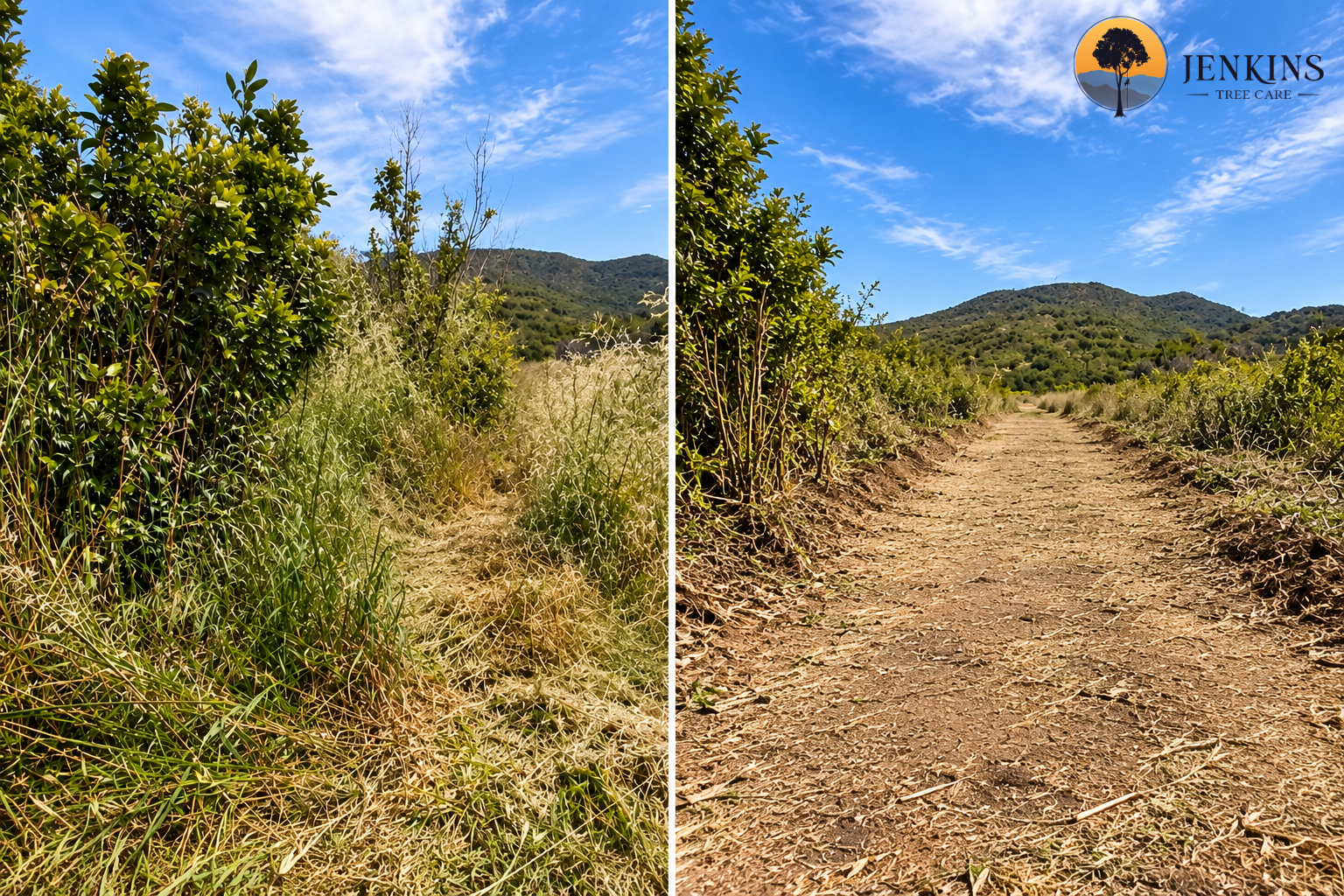
Besides being a trip hazard, an unfinished removal can make future yard work tricky. Mowing becomes harder, planting plans stall, and water drainage might change due to the leftover wood. If the tree was damaged or leaning before removal, a stable cleanup plan is even more critical. Many homeowners choose to pair trunk management with brush removal to restore the entire area safely.
Impact on Curb Appeal and Property Value
Leaving a big trunk in the yard can make even a well-tended lawn look neglected. Visitors and potential buyers notice unfinished work, especially if the trunk is visible from the street or near the front door. Clean outdoor spaces suggest good upkeep and can boost curb appeal.
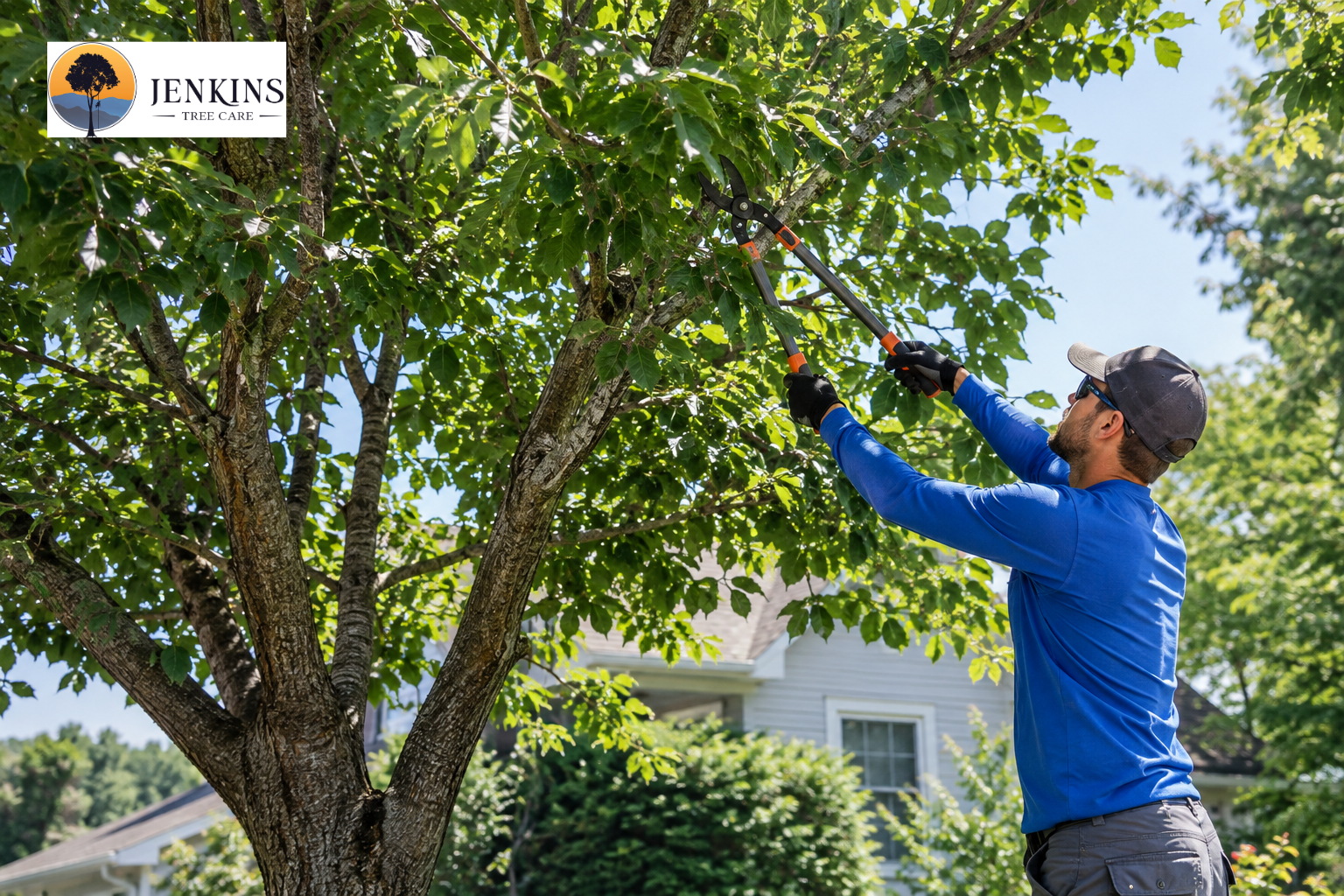
That's why many property owners aim for a polished finish after tree removal. A thorough cleanup makes the yard look well-planned rather than temporary. For those who care about appearance, combining trunk removal with tree trimming on nearby trees can make the whole yard look more balanced and well-maintained.
Long-term Pest and Decay Issues
Dead wood attracts fungi, carpenter ants, beetles, and other critters that break it down over time. While this process is natural, it's not always wanted near homes, fences, patios, or play areas. A trunk left for years can become a breeding ground for pests and a source of odor or soft rot.
According to the USDA Forest Service, decaying wood plays an important role in forests, but that's different from what most homeowners want in a yard. In a managed space, it's usually better to control where the wood goes and how it breaks down. That's why many choose active solutions rather than waiting for natural decay.
Practical Options for Tree Trunks
Stump Grinding for a Clean Start
Stump grinding is one of the most practical ways to deal with a tree trunk. It clears the visible base quickly, letting you reclaim the space. The process grinds the wood below ground level, making it easier to seed, mulch, or replant. It's especially handy if you want a flat surface without waiting for natural decay.
For many yards, this is the best option for simplicity. It supports a cleaner look, reduces tripping hazards, and allows future landscaping work to proceed faster. Homeowners aiming for a fresh start often explore tree pruning and other preventive services at the same time to ensure nearby trees stay healthy and don't cause similar issues later.
Sectional Trunk Removal for Big or Tricky Trees
Sometimes, the trunk is too big, too close to a structure, or too embedded in a tricky area for a quick grinding job alone. Sectional removal allows crews to break the wood into manageable pieces and remove it safely. This method is especially useful near retaining walls, sidewalks, utility lines, and tight spaces.
Handling large trunks often requires careful planning due to their weight and the strain they put on surrounding soil. Done correctly, sectional removal minimizes impact on the property and prepares the area for the next steps. This is why professional judgment is so valuable after a tree is cut.
Turning Trunks into Usable Wood Products
Not every trunk has to become waste. Straight, solid sections might be milled into lumber, used for raised garden beds, turned into firewood, or repurposed into garden borders. This is a great option for property owners who want to keep some value from the original tree.
Creative reuse works best when the wood is healthy, dry, and free from major disease or pests. For example, hardwood trunks can be especially useful for those wanting rustic outdoor features. If the wood isn't suitable for on-site reuse, it can still be chipped or recycled into other materials.
Eco-friendly Wood Chip and Mulch Reuse
Wood chips and mulch are among the most sustainable ways to use tree trunks. Instead of sending the trunk to a landfill, the wood can be turned into mulch that helps with moisture retention, temperature control, and soil protection. This is particularly valuable in gardens and around young plants.
Mulch from tree material should be used thoughtfully, though. Too much fresh wood around plants can temporarily tie up nitrogen as it breaks down, so applying the right depth matters. When managed well, it becomes a useful part of the yard rather than a disposal issue.
Sustainable Ways to Reuse or Repurpose Tree Trunks
Garden Edging, Borders, and Raised Features
Short trunk sections can make attractive landscape borders or raised features if the wood is stable and the design is carefully planned. Homeowners often use thick rounds to define planting beds or create natural transitions between lawn and garden areas. These projects can add a rustic touch while reducing waste.
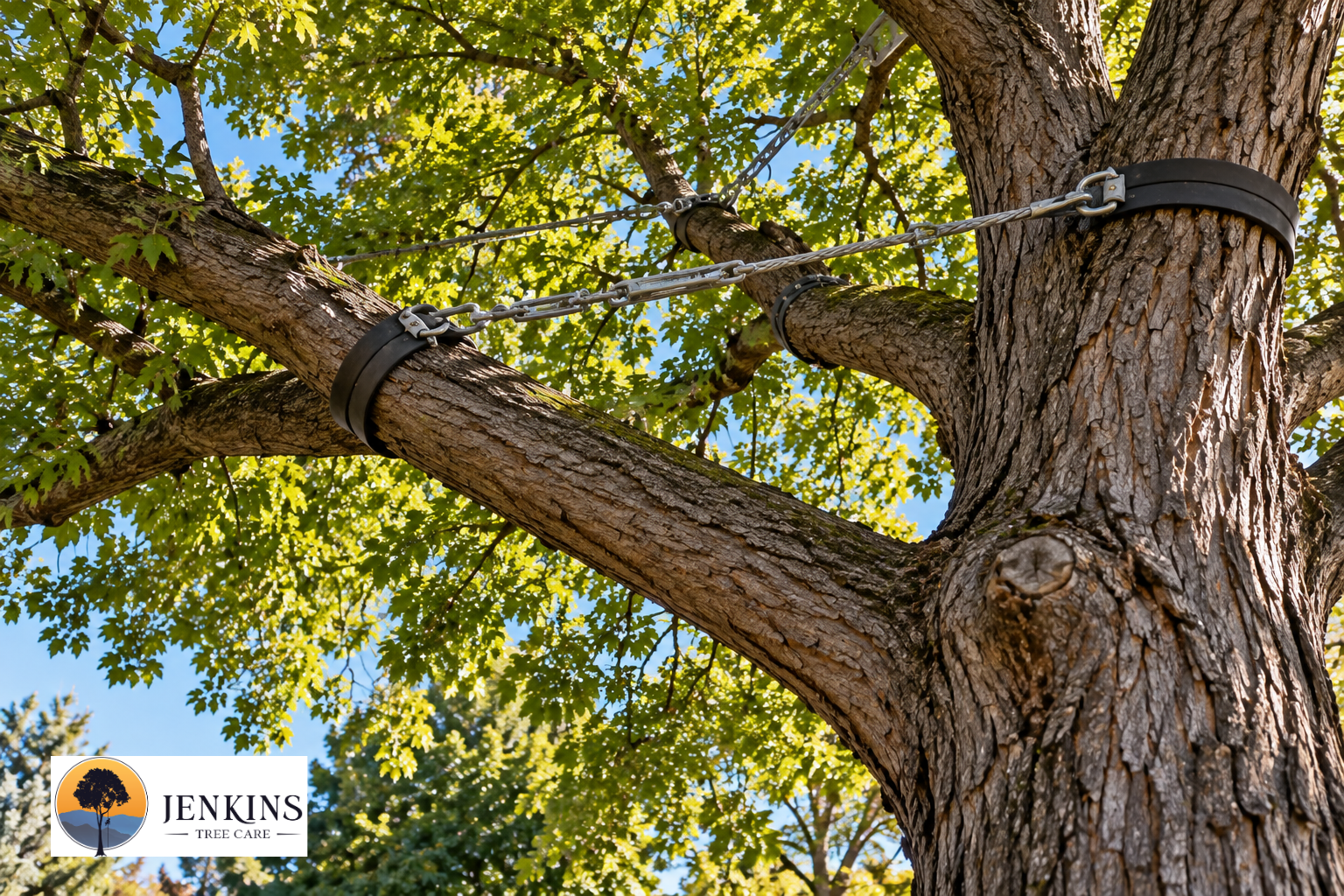
For DIY enthusiasts, repurposed trunk wood can work well in low-traffic areas. However, it shouldn't be used where rot could pose a future hazard. If your goal is a finished, functional yard, it might be smart to combine repurposing with professional tree cabling or other support services for the remaining trees.
Wildlife Habitat with a Controlled Approach
Some homeowners like the idea of leaving part of a trunk to support birds, insects, and beneficial organisms. This can be a sustainable choice if the trunk is away from the home and stable enough to avoid becoming a hazard. A controlled habitat section can help support biodiversity in a backyard setting.
The key is to keep it intentional. A wildlife feature shouldn't turn into a neglected stump field or a pest problem near living areas. If you decide to preserve some wood for ecological value, place it in a way that serves a purpose and doesn't interfere with mowing, play space, or drainage.
Composting and Soil Amendment Considerations
Smaller trunk pieces and wood chips can sometimes be composted, though they break down slowly. They work best when mixed with nitrogen-rich materials like grass clippings, kitchen scraps, or leafy debris. Thick trunk sections are usually too dense for direct composting and are better processed first.
In the right conditions, wood-based compost materials can improve soil structure over time. The process requires patience, but it's a solid strategy for property owners wanting to recycle organic matter back into their yard. For more guidance, North Carolina State Extension offers helpful resources on composting and soil management.
When to Remove Tree Trunks Immediately
Storm-damaged or Leaning Remnants
If a trunk is unstable after a storm or cut at an awkward angle, it may need immediate attention. Unbalanced wood can shift unexpectedly, especially if the soil around the root zone has been disturbed. This isn't just a cosmetic issue; it can become a serious safety concern during cleanup or routine yard work.
Immediate removal is often the best choice if the trunk is near a structure, driveway, or walkway. In those cases, delaying can increase the chance of collapse, cracking, or further property damage. Professional crews evaluate the wood, surrounding soil, and access points before deciding whether to grind, cut, or fully remove the remaining trunk.
Trunks Near Foundations, Fences, and Utility Lines
Space constraints completely change the decision. A trunk manageable in an open backyard can be problematic when it sits close to a foundation, fence line, septic area, or underground utility. The wrong approach can cause collateral damage that costs more than the original cleanup.
Property owners should also consider how the trunk affects future renovations. If you plan to install a patio, extend a driveway, or plant a new tree, removing the wood promptly may save time and money later. For recurring landscape issues, it can be helpful to review broader maintenance options such as tree trimming and tree removal before starting new projects.
Signs of Wood Decay
Soft spots, fungal growth, hollow sections, and heavy insect activity are all signs that the wood is already breaking down. Once decay progresses, the trunk may become brittle and harder to manage safely. A trunk in this condition can collapse in sections, especially after rain or freeze-thaw cycles.
Decayed wood also loses its usefulness for reuse projects. It may be unsuitable for milling, seating, or decorative landscaping because its structure is no longer reliable. In those cases, grinding or hauling away the material is usually the most responsible choice.
Choosing the Right Solution for Your Property
Factors That Affect the Best Option
The ideal solution depends on several factors: the type of tree, trunk diameter, site access, nearby structures, and your plans for the area. A thick hardwood trunk may be worth salvaging, while a diseased softwood trunk may be better removed entirely. Sun exposure, soil moisture, and yard slope can also affect the outcome.
It often helps to think in terms of total property use rather than just the stump itself. If the area needs to be reopened for lawn space, play space, or a new planting bed, then quick processing is usually the most practical option. If the trunk has visual or functional value, selective reuse may make more sense.
How Professional Assessment Prevents Mistakes
A trained arborist or tree care crew can identify structural risks that are easy to miss from the ground. They can tell whether the trunk can be repurposed, whether hidden decay is present, and whether nearby trees need extra attention. That kind of assessment protects both the property and the people using it.
It also helps homeowners avoid overpaying for unnecessary work. Sometimes a full removal isn't required, and in other cases the safest option is to complete the job fully instead of leaving material behind. Professional guidance turns a confusing cleanup decision into a clear plan of action.
Balancing Cost, Aesthetics, and Environmental Impact
Most homeowners want a solution that fits the budget without sacrificing safety or appearance. Sustainable choices don't always mean doing the least expensive thing immediately; they mean choosing the option that reduces waste and future maintenance over time. That may be a combined plan that includes grinding, mulch reuse, and selective cleanup.
The best value often comes from a strategy that prevents repeat work. When trunks are handled well the first time, the yard is easier to maintain and more enjoyable to use. That's where a thoughtful tree service partner can make a lasting difference.
Professional Tree Care for Better Outcomes
Why Integrated Services Matter
Managing tree trunks works best when it's part of a larger care plan. Services like pruning, cabling, brushing, and removal can all work together to improve the health and safety of your yard. In many cases, the original tree problem started long before the trunk was cut, which means the surrounding trees may also need attention.
Jenkins Tree Care focuses on practical, long-term solutions that help you protect your property and maintain attractive outdoor spaces. If the remaining trees need structural correction or extra support, services such as tree cabling can reduce future risk and preserve valuable mature trees.
Respecting the Property and the Environment
Good cleanup is about more than removing debris. It should also leave the site ready for the next season, whether that means fresh mulch, a new planting plan, or a safer open space. Sustainable work respects both your goals and the natural systems that make your yard healthy.
That's why responsible crews pay attention to disposal methods, equipment impact, and soil disturbance. The goal is to leave a site in better condition than it was found. When done well, the final result feels finished rather than just stripped down.
When to Call for Help
If the trunk is large, unstable, near structures, or tough to access, it's time to get professional help. The same goes if you're unsure whether the wood can be reused safely. A quick evaluation can prevent injury, protect nearby features, and save you from tackling a complicated job without the right equipment.
Homeowners in Asheville and nearby areas often prefer to have the entire project handled at once rather than managing separate stages themselves. That approach simplifies things and creates more predictable results, especially when the project includes cleanup, grinding, and surrounding tree maintenance.
Frequently Asked Questions About Tree Trunks
How Long Does a Tree Trunk Take to Decay Naturally?
Decay time varies widely depending on the type of tree, size, moisture level, and local weather. Small softwood stumps may break down in a few years, while large hardwood trunks can linger much longer. Natural decay is the slowest option and doesn't always fit your plans for the yard.
Can I Burn a Tree Trunk in My Yard?
Burning is often restricted by local rules, and it can create air quality and safety concerns. Before considering any fire-based disposal, check municipal and county regulations and see if another method would be safer. In many cases, grinding or recycling the wood is a better choice.
Is Stump Grinding Better Than Leaving the Trunk?
For most residential properties, yes. Grinding usually offers a cleaner look, lower hazard level, and faster return of usable space. It's especially helpful if you want to replant or maintain a smooth lawn area.
What if I Want to Keep Part of the Trunk for Decoration?
That can work if the wood is stable and far enough away from traffic areas. Decorative use makes sense when the remaining wood is dry, structurally sound, and properly treated or maintained. If you're unsure, ask a tree care professional to evaluate it first.
Conclusion: Make the Tree Trunk Work for You
After a tree is cut, the leftover trunk shouldn't be an afterthought. It can be removed, ground, repurposed, or turned into mulch and landscape material, depending on your goals and the condition of the wood. The best choice is the one that ensures safety, improves appearance, and minimizes waste.
If your priority is a clean, eco-friendly finish, getting a professional assessment is the smartest next step. A balanced plan might include stump grinding, selective wood reuse, and follow-up care for the remaining trees and yard. With the right approach, your space becomes safer, more functional, and easier to enjoy for years to come.
For help planning a practical solution for tree trunks after cutting a tree, Jenkins Tree Care is ready to guide you with experienced, eco-conscious service. Whether you need cleanup, removal, or a broader property plan, our team can help you choose the option that fits your yard best. Reach out today to restore your yard with confidence.