When to Call a Pro for Storm-Damaged Trees in Asheville
After a big storm, you might notice a tree that looks a bit off. Maybe it’s leaning, has a branch hanging, or the canopy looks like it’s been through the wringer. A common mistake is thinking the tree will just sort itself out. But when wind, lightning, heavy rain, or snow damage a tree, it can quickly become a risk to your home and safety. This is why getting it checked out promptly is key.
This guide will help you understand how to assess storm damage, when to stop trying to handle it yourself, and when it’s time to call in the pros. If you’re unsure after a look, Jenkins Tree Care offers reliable tree pruning, tree trimming, and other services to keep your yard safe and sound. You’ll also find tips on documenting damage, reducing immediate risks, and planning a cleanup without making things worse.
If you’re weighing your options, remember that tree risks aren’t just about whether a tree is standing upright. According to the U.S. Forest Service, storms can cause complicated structural failures that aren’t visible from the ground, especially when roots, hidden cracks, or decay are involved. Check out more on tree hazards and safety tips at the Ready.gov site. Acting carefully now can save you from bigger headaches later.
Why Storms Change a Tree’s Risk Level
Not All Damage is Visible Right Away
Storm damage often goes beyond the branch you see lying in your yard. A gust of wind might twist a trunk, causing internal fractures, or soaked soil might loosen roots without any obvious signs. Even if a tree looks fine at first glance, it might not be stable enough to withstand the next storm. A tree can look okay one day and then become dangerous the next.
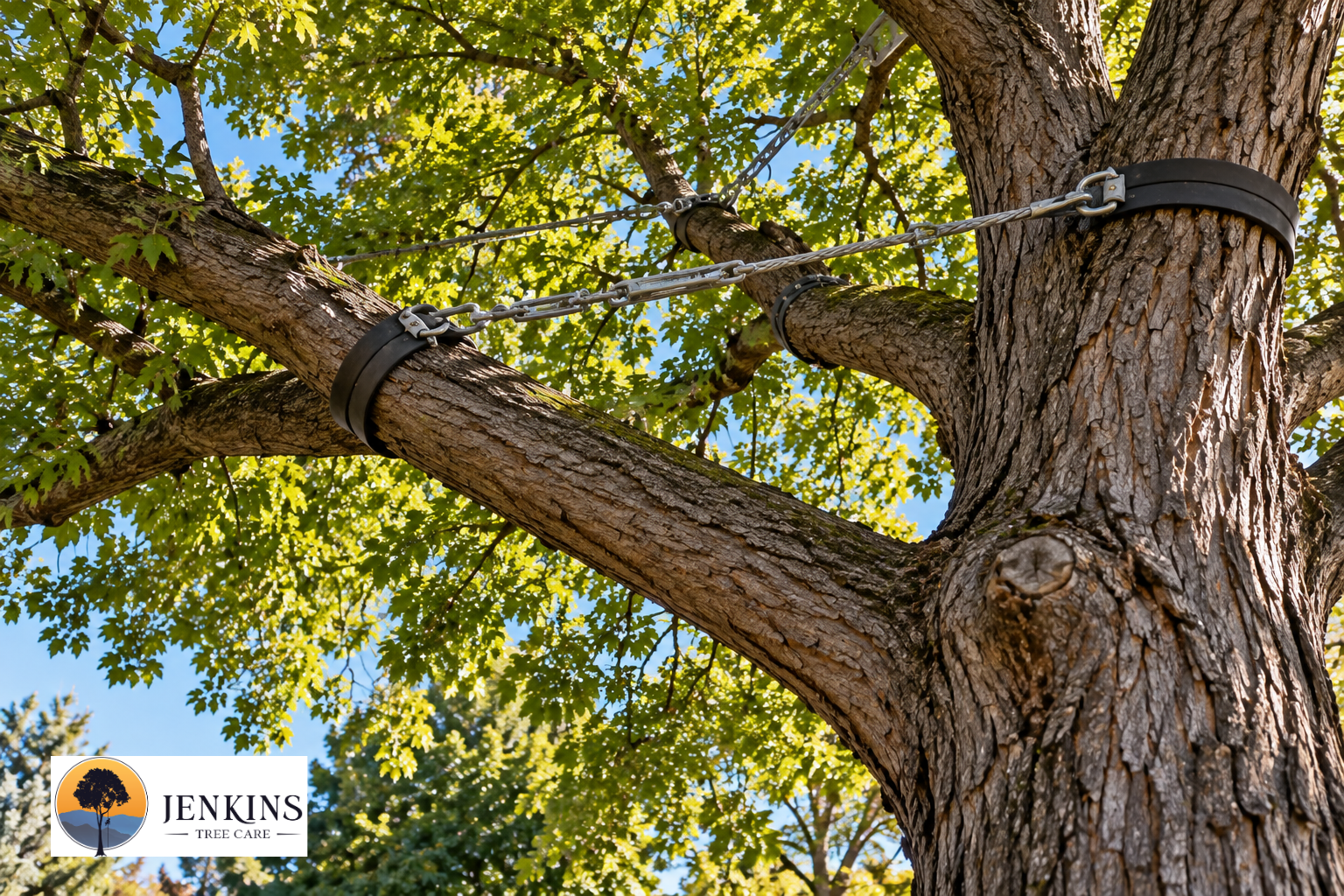
Remember, trees don’t heal like we do. They can manage some injuries, but serious damage can make them vulnerable. If the storm was intense, it’s a good idea to have a pro assess whether cabling, pruning, or removal is needed. Sometimes, a damaged tree can still be saved with tree cabling, which provides support to weak limbs and trunks.
Root Movement: The Hidden Danger
When a tree leans after a storm, the problem often lies underground. Wind, rain, and erosion can shift the roots, leaving the tree unstable enough to fall unexpectedly. Pay special attention to new leans. If you notice lifted soil, cracks near the base, or exposed roots, don’t try to fix it yourself. A professional can tell you if the tree can be stabilized or if it needs removal. The University of Georgia Extension offers helpful info on soil and root issues.
Clear Signs You Need to Call a Pro
Sudden Leaning
A slight lean might not be a problem, but if the tree suddenly leans after a storm, it’s a different story. If the angle changes quickly, especially after high winds or heavy rain, the tree might be failing at the roots or base. It’s important to get it checked out fast because the situation can get worse by the hour.
Look for signs like cracked soil, lifted roots, or shifts in the tree’s center of gravity. These usually indicate instability rather than a minor issue. If a leaning tree threatens your driveway, roof, or other important areas, have an expert evaluate it.
Hanging or Split Limbs
Hanging limbs are dangerous because they can fall suddenly. A cracked branch still attached might only be held by a few fibers, ready to drop with the next gust or temperature change. This isn’t a DIY job unless you’re trained for it.
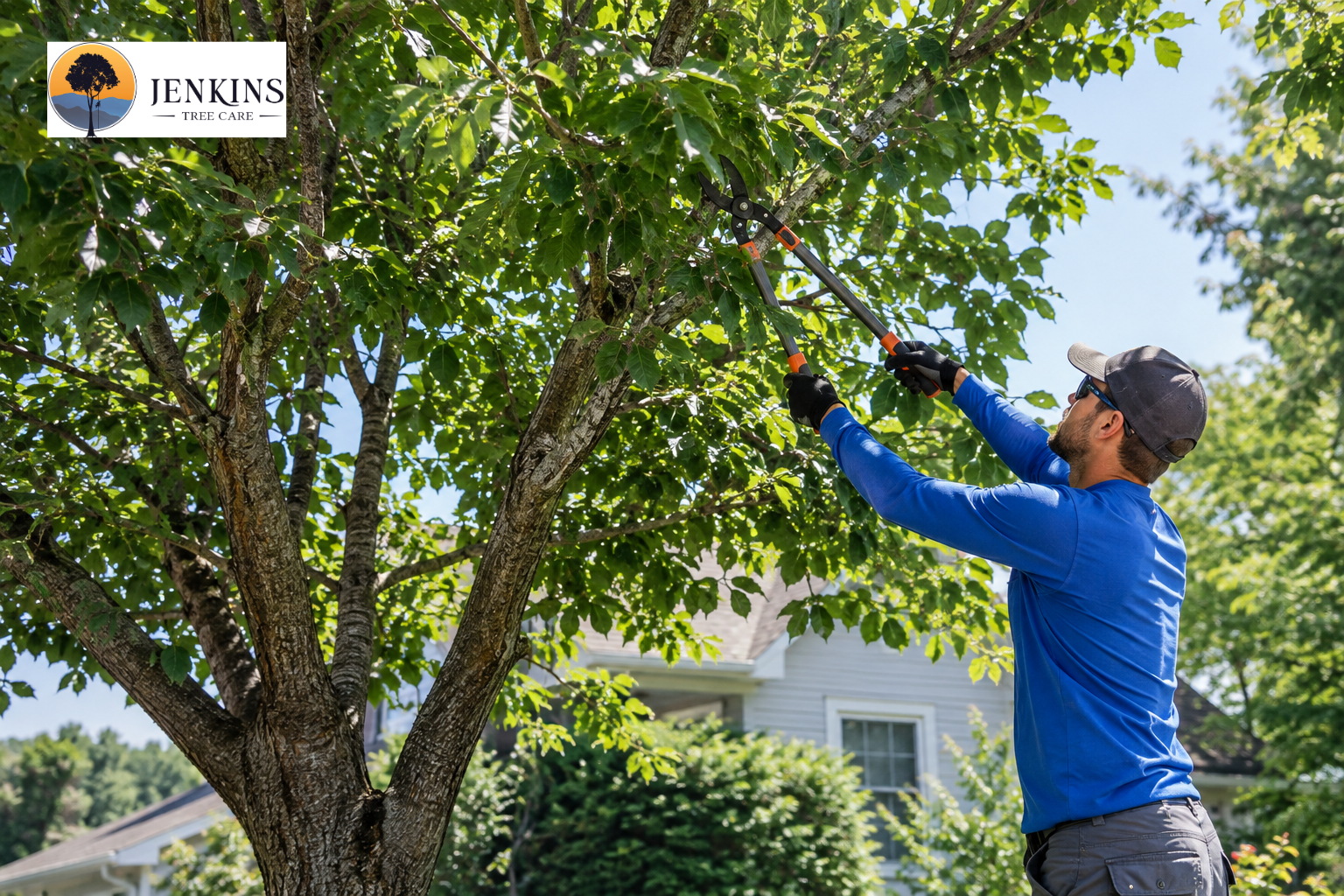
Pros use methods to safely lower unstable limbs without causing more damage. Often, targeted tree pruning can remove damaged parts, improve structure, and decrease future risks. If the tree has recurring issues or large splits, cabling might be better than cutting everything back at once.
Cracked or Damaged Trunk
Trunk damage needs immediate attention since it’s the tree’s main support. Deep cracks, splitting bark, or large missing sections can mean the tree has lost strength. Hollow areas aren’t always an emergency, but combined with storm stress, they can make a tree vulnerable.
If a trunk was hit by lightning or damaged by debris, a professional can decide if it’s still sound. An expert can tell if the tree is upright but failing internally. In that case, removal might be safer than trying repeated fixes.
What to Do Right After a Storm
Keep People and Pets Away
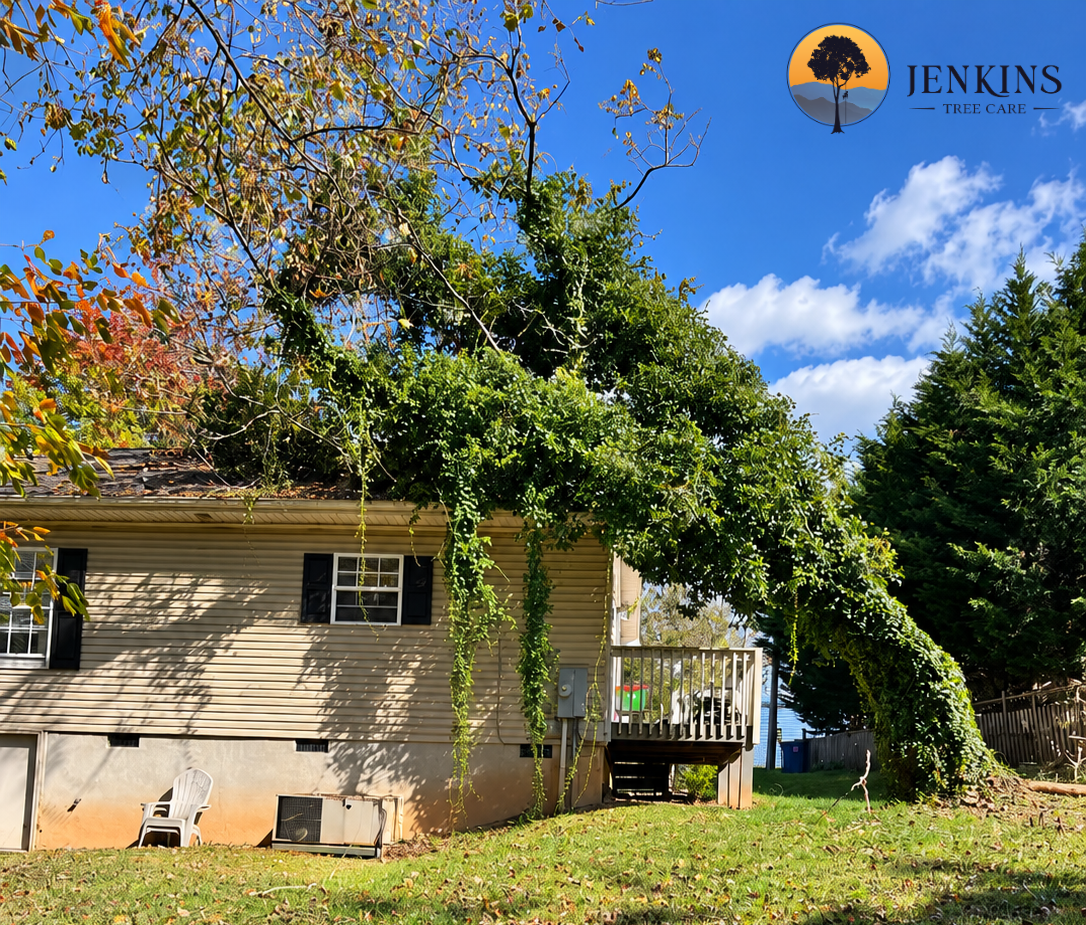
After a storm, keep everyone at a safe distance. Don’t stand under broken limbs or let kids or pets near leaning trees. Block access if the tree is near a road or parking area. The goal is to keep people out of harm’s way.
If the tree touches power lines, stay away and call the utility company immediately. Never try to cut branches tangled with electrical lines.
Take Photos Before Cleanup
Before you start clearing debris, take clear photos from a safe distance. Document the tree’s condition, including leans, broken branches, and any damage to structures or vehicles. These photos can help with insurance claims and provide useful info for the tree care company.
It’s also helpful to note when the storm happened and any previous tree issues. A tree that was already declining may need a different approach than one that was healthy.
Only Remove What’s Safe
Clear small twigs and leaves if the area is stable. Avoid moving heavy wood sections on your own. Storm-damaged trees can shift unexpectedly, and tension can cause sudden snaps. What looks like a simple cleanup could actually be dangerous.
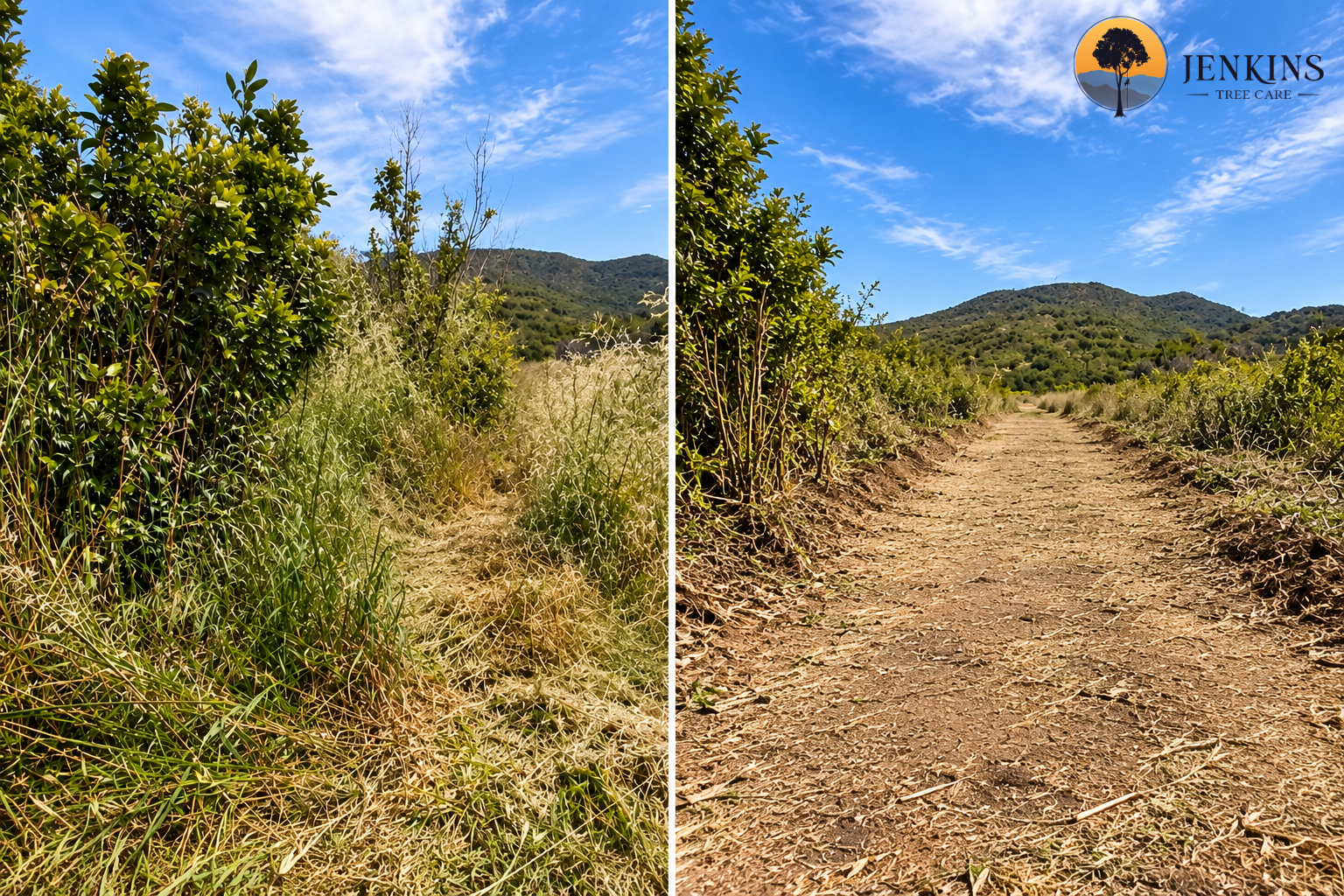
If you need help clearing the yard, professional brush removal can handle debris and make the area safer. For bigger jobs, it also helps uncover hidden hazards.
When Pruning is Enough and When Removal is Safer
Pruning for Mostly Sound Trees
If the tree’s roots are healthy and the main structure is stable, selective pruning may be enough. This is especially true if only the outer canopy or a branch cluster was damaged. Proper pruning can improve balance and reduce future risks.
Pruning works best when damage is limited and the tree is strong overall. The cuts should be made with long-term health in mind, not just appearance.
When Removal is Best
Some trees can’t be safely restored. If the trunk is split, the roots have shifted, or major limbs are failing, removal may be the best choice. The same goes for trees weakened by decay or previous storms.
Professional tree removal isn’t about giving up on a tree. It’s about recognizing when keeping it poses more risk than benefit.
Cabling to Save Valuable Trees
Not every damaged tree needs removal. If a mature tree is otherwise healthy but has a few weak spots, support systems can help. Tree cabling distributes stress and can prevent failures during future storms.
Cabling works best when installed by a pro who knows when it’s suitable and when it’s just a temporary fix. While not a cure-all, it can make a big difference for valuable trees.
How Pros Assess Storm-Damaged Trees
Full Structure Inspection
An arborist looks at the whole tree, including the canopy, trunk, roots, and soil. Damage in one area often affects others. What looks like a branch issue could be a root problem, or what seems like a lean could be internal trunk cracking.
Pros also consider nearby targets. A tree’s danger can increase if it’s near a roof or play area. This helps decide if removal, pruning, or monitoring is best.
Judging Recoverability
Determining if a tree can recover isn’t easy. Some injuries are only cosmetic, while others can lead to long-term decline. A professional can tell which is which.
If it’s unclear, the safest bet is usually to be cautious. Underestimating damage can cost more than a proper inspection, especially after severe weather.
Planning Around Safety
Storm response isn’t just about cutting wood. A good team plans how to lower debris safely, protect structures, and leave your yard better than before. This includes managing large limbs and cleaning up brush and chips.
This approach reduces stress for homeowners and prevents additional damage during cleanup. Combining stump grinding with removal can help restore the yard and prevent future issues.
Why Delaying Help Can Make Things Worse
Weather Can Turn Damage into an Emergency
Storm-damaged trees don’t stay the same. Another round of wind or rain can worsen leans, loosen roots, or bring down an already damaged branch. What’s a manageable issue today could become an emergency tomorrow.
Timing affects cost, safety, and complexity. Addressing a tree early might need less work, while waiting could mean full removal and more cleanup. Acting quickly is often safer and more economical.
Decay Can Spread After Injury
Storm wounds can invite pests and decay. While not all become long-term problems, large breaks can let in moisture and pathogens, weakening the tree. A quick assessment can determine if the tree needs monitoring, treatment, or removal before decay sets in. Check the Arbor Day Foundation for more on tree health.
Insurance and Liability
If a damaged tree falls on a structure or neighboring property, insurance issues can arise. Proper documentation and quick action show you responded responsibly. Waiting too long can complicate claims and liability discussions.
Working with a pro after a storm helps with assessment, risk identification, and documentation before cleanup. Even without a claim, it’s valuable for future reference.
Preventing Future Storm Problems
Schedule Maintenance Before Bad Weather
The best time to prepare for storms is before they hit. Routine inspections, pruning, and structure corrections can reduce the risk of tree hazards. Weak branches and deadwood are more likely to fail in storms, so preventative care is important.
Services like tree pruning and tree trimming can improve clearance and remove weight from risky areas. This maintenance often costs less than emergency response and helps keep trees healthy longer.
Consider Soil and Space
A tree’s stability depends on its environment. Poor drainage, compacted soil, and crowded roots can increase storm vulnerability. If your yard is often wet or trees grow closely, roots may already be stressed before a storm.
A preventive consultation can spot problems early and avoid emergency work. This is helpful for properties with mature trees, slopes, or frequent wind exposure. A pro can recommend solutions based on actual conditions rather than guesswork.
FAQs About Storm-Damaged Trees
Can I Save a Leaning Tree?
Sometimes, yes. If the lean is minor and the roots and trunk are intact, the tree might recover with pruning or support. But a sudden lean after a storm always needs inspection. Safety depends on the degree of movement and potential threats.
Should I Cut Broken Branches Myself?
Only if they’re small, fully detached, and safely reachable from the ground. Never climb a damaged tree or use a ladder near unstable limbs. Leave large hanging branches and anything near power lines to professionals.
What If the Tree Still Has Leaves?
Leaves don’t always mean safety. A tree can look green while having serious internal issues. Visual health and structural safety aren’t the same, which is why proper inspection matters after storm damage.
How Soon Should I Call?
As soon as you notice leaning, cracking, hanging limbs, or exposed roots. In urgent cases, call immediately and keep everyone away. Fast action is crucial if the tree is near a building, utility line, or walkway.
Call Jenkins Tree Care for Expert Help
Storm damage can leave you unsure about what to do next, but you don’t have to figure it out alone. If a tree is leaning, broken, or unstable, a professional evaluation is the safest move. Jenkins Tree Care helps you make smart decisions about storm-damaged trees, whether it’s careful pruning, controlled removal, or cleanup that restores peace of mind.
If you’re dealing with storm debris or unstable trees, consider getting a trusted assessment before the next storm strikes. Our team can assist with dangerous tree removal, structural support, and property cleanup to make your yard safer and easier to manage. For scheduling and details, visit Jenkins Tree Care or call (828) 279-5756 to speak with a local expert.
When a storm leaves a tree in bad shape, the best response is quick, careful, and informed. Keep people away, document the damage, and let an experienced arborist decide if the tree can be saved or needs removal. Acting now can protect your home and preserve the healthiest parts of your yard for the future.