Overgrown Trees? Why Proper Pruning Makes a Bigger Difference Than You Think
When your trees start looking a bit wild or top-heavy, you might think they need a huge trim or even removal. But guess what? A little thoughtful pruning can work wonders, bringing balance back, improving safety, and helping the tree grow healthier. For those thinking about tree pruning or even tree trimming, remember that a quick cosmetic fix isn't quite the same as proper care by an arborist. The right approach can shape a tree's future for years.
Pruning isn't just about making your yard look tidy. It supports the tree's structure, reduces the risk from storms, and helps trees use their energy better. According to the U.S. Department of Agriculture, healthy trees offer long-term benefits for the environment and your property, making regular care a wise choice. We're here to explain why you shouldn't ignore overgrown trees, what proper pruning actually does, and when it's time to call in a pro for tree services in Asheville, NC.
Why Overgrown Trees Shouldn't Be Ignored
Overgrowth changes how a tree handles weight.
Without maintenance, branches spread out and up, causing the tree to get unbalanced. Heavy limbs can lean too far, catch more wind, or stress the trunk. That's where pruning comes in: it redistributes weight before small problems turn into big hazards.
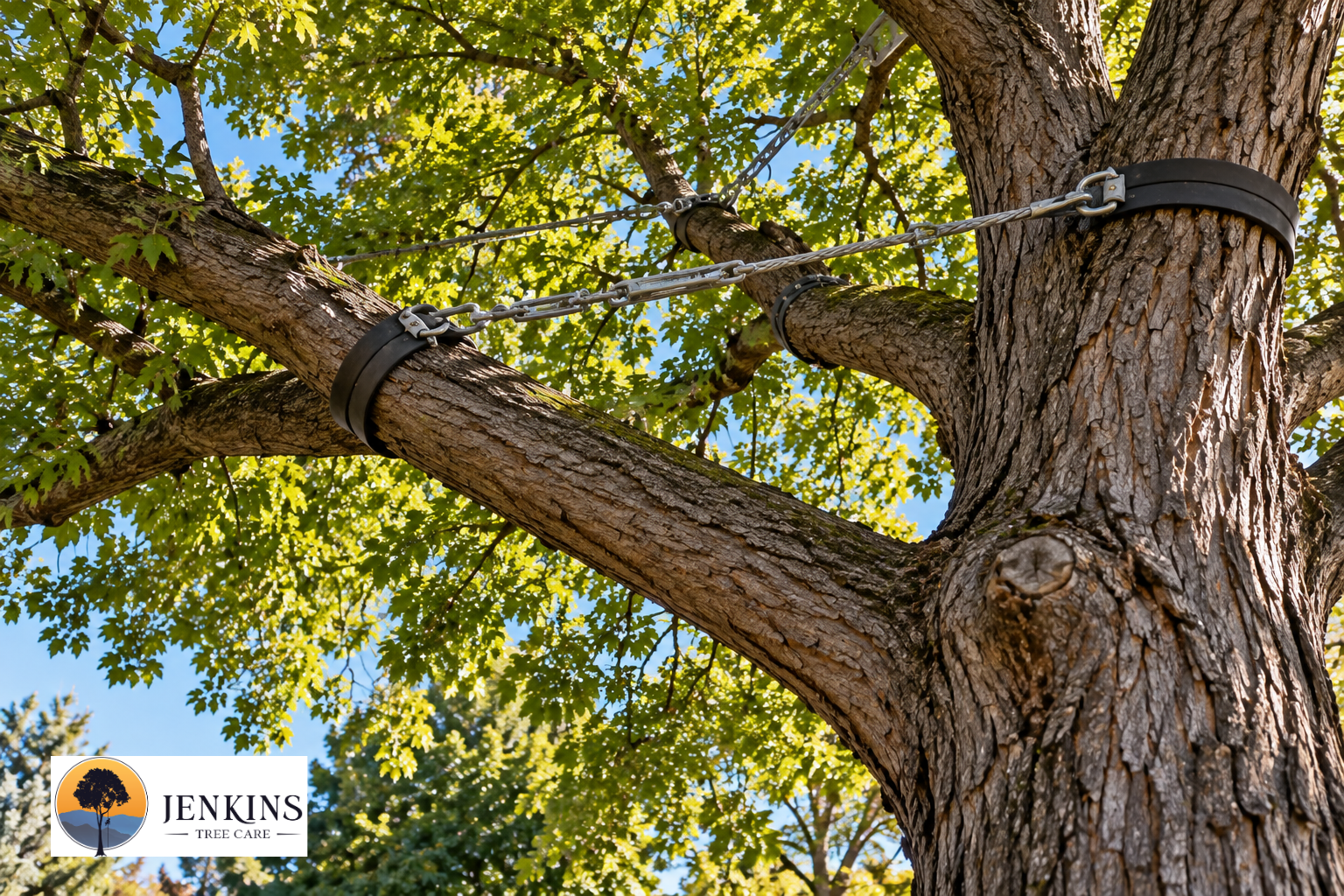
Overgrowth can block sunlight and airflow inside the tree canopy. When it's too dense, weak growth and deadwood can build up unnoticed. Proper structural work, like tree cabling when needed, can help save valuable trees struggling under their own weight.
Dense canopies can hide safety hazards.
Sometimes, homeowners only notice tree issues after a storm breaks a branch or when leaves drop unevenly. Dense growth often hides cracks, rubbing limbs, pest activity, and decay. An expert can spot these early and suggest pruning, support, or sometimes tree removal if the tree's no longer safe.
The National Park Service highlights that routine tree care is vital for both tree health and public safety. That same idea applies to your yard. A few well-planned cuts now can prevent damage to roofs, fences, cars, and walkways later.
Overgrown trees can affect the whole yard
Trees don't grow in isolation. When branches spread too far, they can crowd out other plants, shade grass, or press against gutters and siding. Over time, the entire yard can feel unmanaged. If you want a cleaner outdoor space, combining pruning with brush removal can make your property feel safer and more usable right away.
Overgrowth can also make routine maintenance harder. Mowing becomes tricky, visibility drops near driveways, and outdoor spaces lose their open feel. A good pruning plan can restore both the tree and the function of your entire property.
What Proper Pruning Actually Does
It removes problems without stripping the tree bare
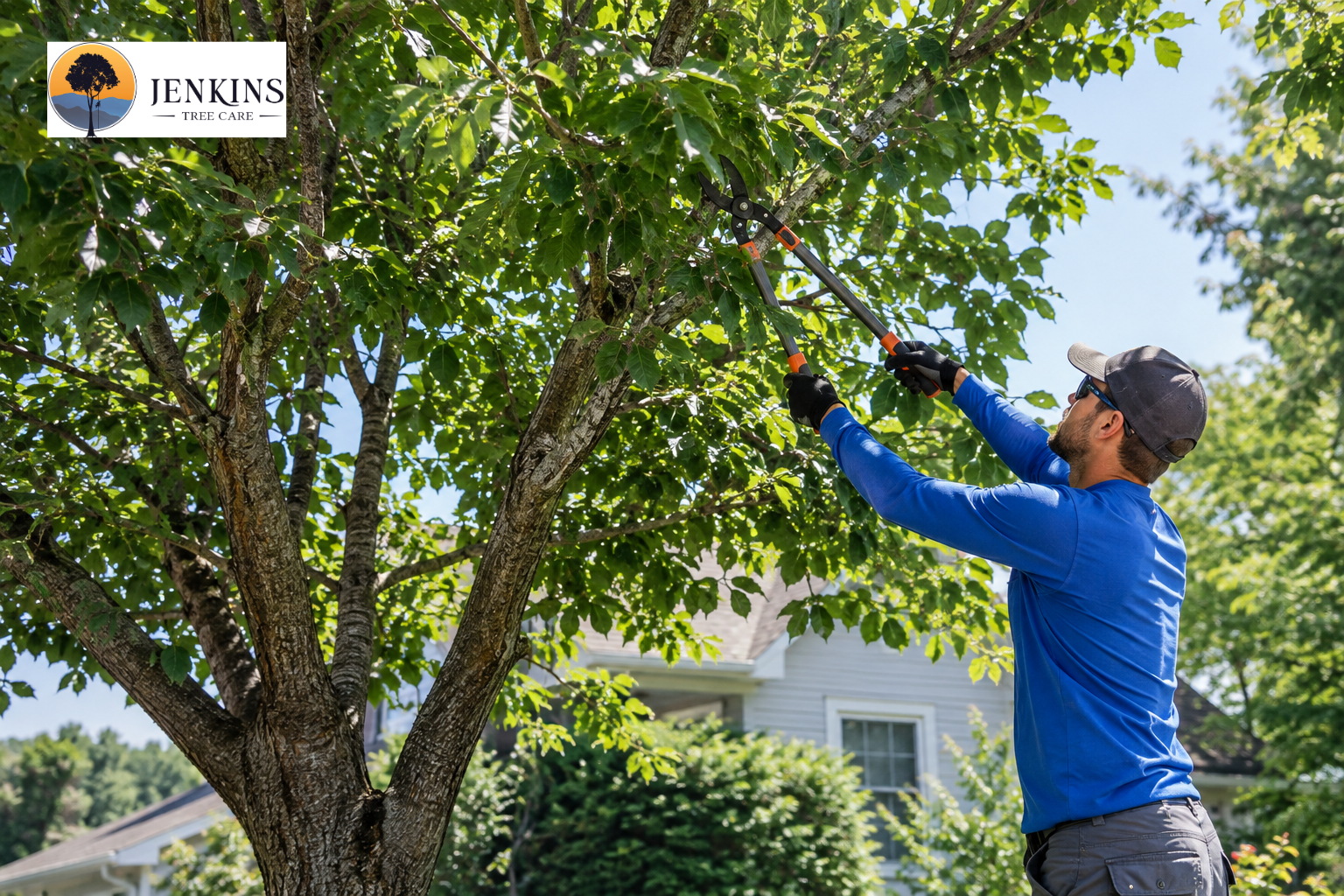
Many folks think pruning means cutting as much as possible. In reality, good pruning is about being selective. The aim is to remove dead, diseased, crossing, or poorly placed limbs while keeping enough healthy canopy to support growth. Done right, the tree looks natural afterward, not butchered.
Strategic cuts also help a tree respond better to future weather and seasonal growth. Instead of forcing the tree into a harsh shape, an arborist focuses on structure and long-term health, often making fewer cuts than expected, but each one with purpose.
It encourages stronger future growth
Pruning tells the tree where to focus its energy. By removing weak, damaged, or competing limbs, the tree can redirect resources toward healthier branches. This helps shape the canopy to support stability and improve appearance over time.
For some species, timing matters as much as the cut itself. A well-timed service can reduce stress, limit disease exposure, and prevent unnecessary regrowth. If you're curious about when to trim trees, check out our guide on the best time to trim trees in Asheville.
It can reduce storm damage risk.
North Carolina weather can change fast, and heavy rain, wind, and saturated ground put extra strain on trees. Proper pruning removes vulnerable limbs before they fail, which is especially important near homes, garages, and power lines. The Ready.gov severe weather guidance reminds us preparation matters long before a storm hits.
By reducing excess weight and improving canopy structure, pruning lowers the chance of breakage during bad weather. It won't prevent every storm-related issue, but it can make a big difference in how a tree performs under stress.
Signs Your Tree Might Be Overgrown
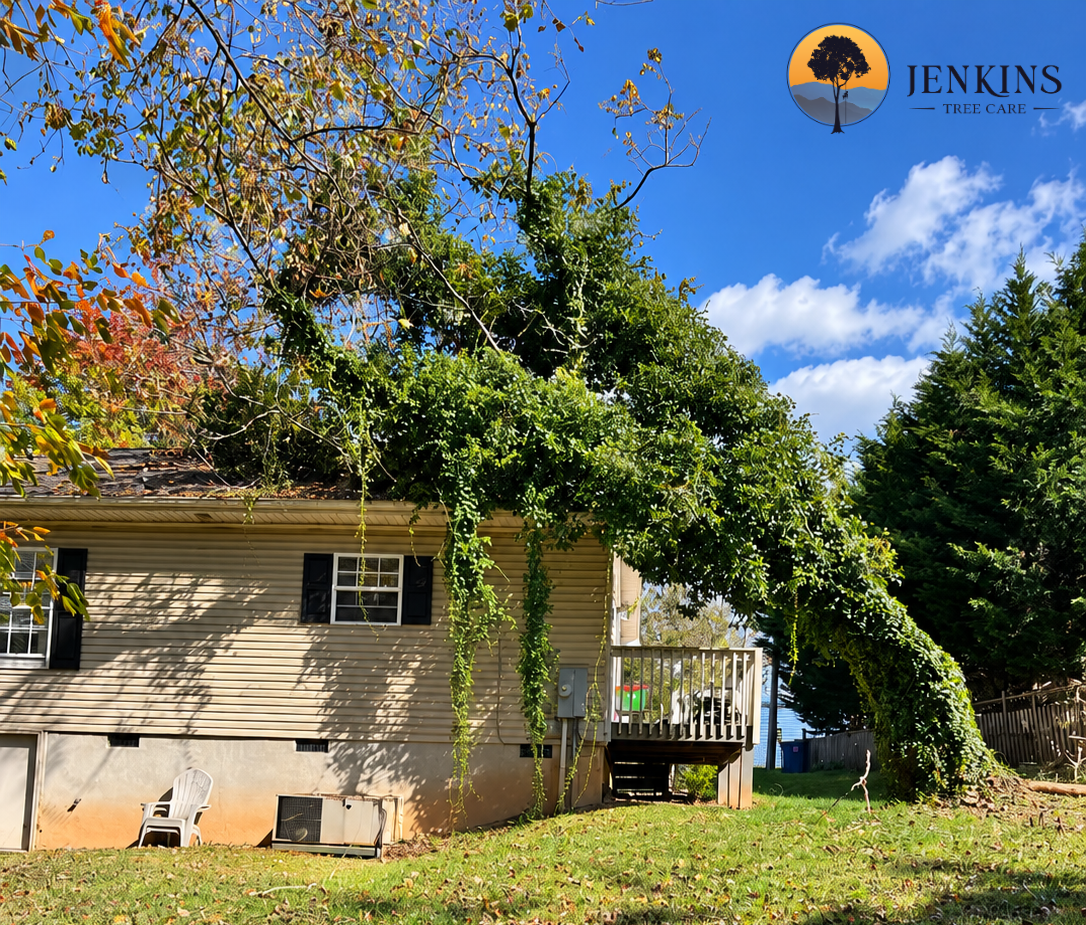
Branches are touching your roof or siding
If limbs brush against your home during wind or rain, the tree likely needs attention. Such contact can damage shingles, clog gutters, and wear down siding. Even if the tree seems healthy, its proximity to your home is reason enough to schedule an evaluation.
The canopy is too thick to see through
A healthy canopy should allow some light and airflow. If the tree looks like a solid wall of leaves and branches, there may be too much interior density. This buildup often calls for thinning cuts that improve circulation while preserving the tree's natural form.
Dead limbs or rubbing branches are visible
Deadwood is a clear sign pruning is needed. Rubbing limbs can create wounds inviting decay and pests, while dead branches can fall unexpectedly. A pro can decide whether tree trimming, corrective pruning, or more advanced solutions are the safest paths forward.
There is uneven or lopsided growth
If one side of a tree is much heavier than the other, it might be compensating for light, damage, or past improper cuts. This imbalance shouldn't be ignored. Selective pruning and support from tree cabling can restore stability without removing a mature tree that still adds value to your property.
How Professional Arborists Approach Pruning
They start with a full tree assessment
Before cutting, a professional looks at species, age, structure, defects, and site conditions. Not every tree should be pruned the same way. A mature oak, a young ornamental, and a storm-damaged pine all need different strategies.
Experienced crews also consider how the tree interacts with the rest of the yard. They check for utility conflicts, nearby structures, poor branch unions, and signs a tree might be better off removed. That's why homeowners benefit from working with a company handling both maintenance and tree removal when needed.
They make cuts with purpose, not just for looks.
Proper pruning cuts support healing and reduce future problems. That usually means cutting to the right point, avoiding stubs, and not removing too much canopy at once. A rushed or overly aggressive cut can stress the tree, invite decay, and trigger weak regrowth.
Arborist-level pruning is vital for older or high-value trees. If a tree has sentimental value or offers shade and curb appeal, the goal is to preserve structural integrity while correcting problem areas.
They know when preservation is realistic
Not every tree can or should be saved. Sometimes pruning is best; other times, the tree has advanced decay, severe structural failure, or root damage making retention unsafe. Professional judgment helps avoid wasting money on repeated fixes when a safer solution is needed.
Jenkins Tree Care often helps property owners make these decisions with practical advice and clear communication. If the issue is mostly overgrowth, pruning might be enough. If the tree's a hazard, removal and cleanup might be the smarter move.
Pruning, Trimming, or Removal: How to Decide
Use pruning for health and structure
Pruning is best when the tree is generally healthy but needs correction, shaping, or cleanup. It's great for removing deadwood, improving branch spacing, and helping young trees develop strong architecture. Homeowners often choose pruning to protect mature trees without losing shade or character.
Use trimming for clearance and looks
Tree trimming focuses on keeping branches away from roofs, walkways, views, and driveways. It's helpful when the tree is overreaching but not unhealthy. Often, trimming and pruning overlap, and a skilled crew can combine both to get the right result.
Use removal when the tree is too risky
Sometimes pruning isn't the answer. Large decay sections, major splits, root instability, or storm damage can make a tree unsafe. In those cases, it's better to remove the hazard than hope a temporary fix will last.
For more on warning signs, see our article, Signs You Need to Remove a Tree to Keep Your Property Safe. Knowing the difference can save time, money, and stress while helping you make the right decision.
The Benefits Homeowners Notice First
Better curb appeal
One of pruning's quickest benefits is visual. A once-crowded tree can suddenly look balanced and tidy. That improvement often makes the whole yard feel more cared for, even if nothing else changes.
For those thinking about resale or wanting a more attractive property, pruning is a practical upgrade. It can frame your house better, open up views, and make landscaping features stand out. Often, that improvement is noticeable from the street the same day the work is done.
Safer outdoor spaces
Pruning reduces the chance of falling limbs and can improve sightlines around driveways, paths, and play areas. That matters for families, guests, and anyone who uses the yard regularly. If your trees are creating clutter or blocking access, combining pruning with stump grinding after removals can further improve safety and usability.
Even small changes can make a big difference. A few feet of clearance around a walkway can reduce trip risk, while opening up a canopy can make a porch or patio feel much more comfortable.
Healthier trees over time
Regular maintenance often helps trees respond with stronger structure and better growth. Removing dead or competing branches lets the tree focus on vigorous limbs more likely to withstand weather and age well. Pruning should be part of long-term care, not just a one-time cleanup.
The Penn State Extension explains that proper pruning supports tree structure and health when done at the right time and way. That matches what arborists see daily: careful cuts today can prevent bigger issues later.
What Homeowners Should Avoid
Don't top trees
Topping is one of the worst practices a homeowner can try. It removes large canopy sections and often forces weak, fast-growing shoots to replace lost branches. The tree may look smaller initially, but the long-term result is worse structure, more stress, and a greater failure chance.
Don't overcut in one visit.
Taking too much off at once can shock a tree and leave it vulnerable to sunscald, pests, and excessive sprouting. A professional usually recommends a measured approach that respects the tree's species, condition, and size. This is especially important for large shade trees not maintained in years.
Don't ignore the cleanup afterward
A proper pruning job includes cleaning up branches, debris, and any leftover clutter. Leaving limbs behind can attract pests, create hazards, and make the yard harder to use. If your yard needs a full reset after the work, brush removal can be the final step to restore order.
When It's Time to Call a Professional
The tree is near your house or utility lines
Trees in tight spaces shouldn't be DIY projects unless the task is very small and simple. Working near structures or wires requires equipment, training, and a clear safety plan. A professional crew can minimize risk while protecting both the tree and your property.
The tree has large dead limbs or storm damage
Large hanging limbs, cracked trunks, or storm-split branches should be addressed quickly. These conditions can become dangerous without much warning. A professional can decide whether pruning, cabling, or removal is the safest option based on what they see on site.
You aren't sure what the tree needs.
Sometimes the hardest part is knowing whether a tree is overgrown, unhealthy, or structurally compromised. That's where a trained arborist adds real value. The right recommendation might be simple pruning or a more complete care plan with several services over time.
If you're weighing options in the Asheville area, Jenkins Tree Care can help evaluate the situation and choose the best next step. Our team offers tree pruning, trimming, cabling, and removal services tailored to your property's needs, not a one-size-fits-all solution.
Frequently Asked Questions About Overgrown Trees
How often should trees be pruned?
It depends on the tree's species, age, location, and overall condition. Some trees need attention every few years, while others benefit from annual maintenance. Trees near structures or high-traffic areas often need more regular care than those in open spaces.
Is pruning bad for trees?
No, not if done correctly. Proper pruning supports healthy structure and removes problems before they worsen. The issue isn't pruning itself, but improper cuts, overcutting, or poor timing.
Can pruning save a tree that looks rough?
Sometimes, especially if the tree is overgrown rather than seriously decayed. Pruning can improve shape, reduce stress, and remove weak growth. If unsure whether the tree can be saved, a professional inspection is the best starting point.
What if my tree needs both pruning and support?
That's common with mature trees with weak limbs or split trunks. In those situations, pruning might be combined with cabling or other structural support to preserve the tree safely. For more on this, our post on when weak branches can be fixed without removal is worth a look.
Restore Balance Before Overgrowth Becomes a Bigger Problem
Small fixes now can prevent larger issues later.
Overgrown trees don't usually become hazardous overnight. Problems build slowly as branches spread, weight shifts, and weak points develop. That's why timely pruning is a smart move: it lets you act before the tree becomes a costly or dangerous liability.
Whether your goal is better appearance, safer clearance, or improved tree health, the right pruning plan can make a dramatic difference. It's one of the most effective ways to protect both your trees and your property without removing healthy shade unnecessarily.
Choose a team that understands tree biology and property safety
Not every tree service approaches pruning the same way. The best results come from crews that understand structure, species, and local growing conditions. Jenkins Tree Care provides professional tree service in Asheville and surrounding North Carolina communities with a focus on safety, sustainability, and long-term value.
If your trees are starting to look overgrown, don't wait until the next storm or the next broken branch. Contact Jenkins Tree Care to discuss your options, ask questions, and schedule a professional evaluation. A thoughtful pruning plan today can protect your landscape for years to come.
Ready to get started? Reach out to Jenkins Tree Care at (828) 279-5756 or email devin@jenkinstreecare.com to request an expert assessment and take the first step toward a safer, healthier, better-looking property.