Why Dead or Damaged Trees Should Be Removed Quickly
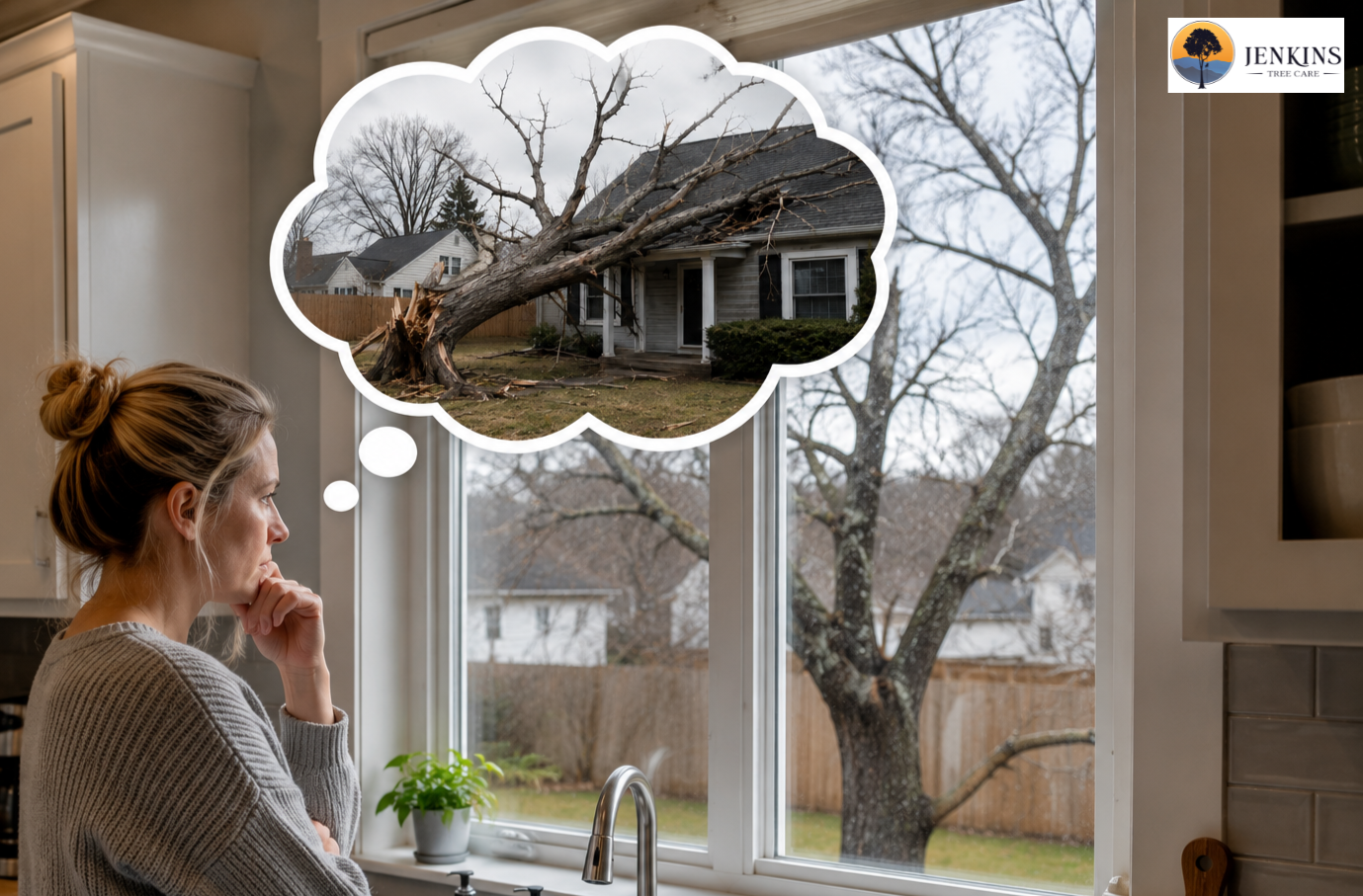
At first glance, dead or damaged trees might not seem like a big deal in your yard. But they can quickly become a real safety hazard. If a tree isn't strong anymore, every storm or heavy wind could cause it to fall or lose branches. That's why it's crucial to act fast to keep your home, business, and everyone who uses the property safe.
If you're looking to make your yard safer and cleaner, getting a professional to check things out is a smart move. Sometimes, you'll need tree removal, while other times, pruning or trimming might do the trick. The key is knowing what to do before a small issue becomes a big, costly problem.
This guide will help you understand why taking care of dead or damaged trees quickly is important. You'll learn what signs to look for and how the pros decide what to do. We'll also touch on the latest trends in tree health, the role of deadwood in nature, and what you should know after a storm. If you're on the fence about whether a tree is worth saving, you'll find some useful answers here.
Why Fast Action Matters
Safety risks increase with every delay.
A dead tree can be unpredictable because it's no longer strong. As it decays, the roots get weaker, and the limbs dry out. A tree that seemed fine last month could become dangerous after a storm.
The University of Maryland Extension suggests evaluating trees for dead or weak wood before deciding on removal. They point out that weak trees rarely get better on their own and usually just get worse.
Property damage can happen suddenly.
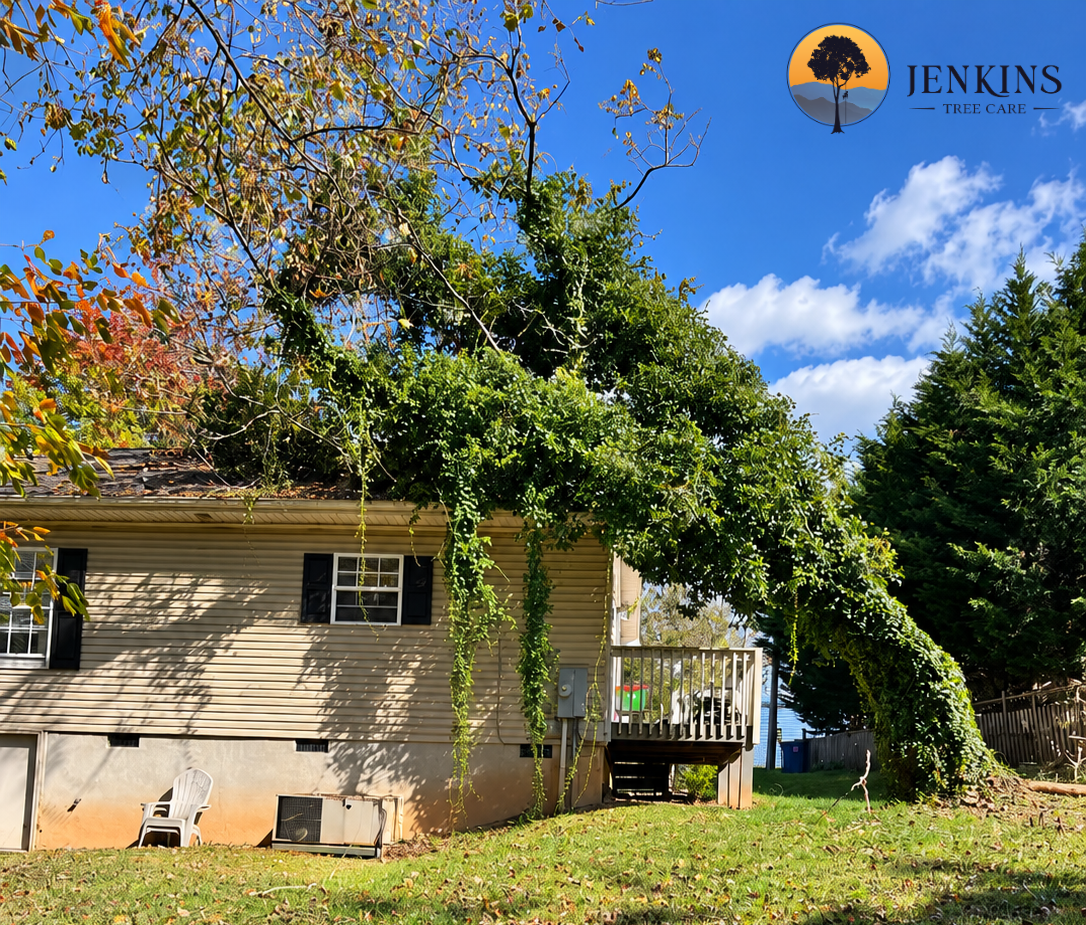
Falling branches or entire trees can damage roofs, cars, fences, and even utility lines. Even if the tree falls away from your home, you could still end up with a mess to clean up. In business areas, dead trees can pose a liability risk, too.
Waiting to deal with a dead tree often makes the job harder and more expensive. A tree that could have been removed safely might later need emergency services, more equipment, or extra help to deal with unstable parts. If the tree is already leaning or split, the risk of failure is even higher.
Delaying removal often raises costs.
Many people think waiting will save money, but dead or damaged trees usually cost more to deal with the longer they're left alone. As decay spreads, getting them out becomes harder, and nearby structures can make safe removal tricky.
Once a tree becomes an emergency, you may need faster scheduling and more complicated cleanup. But if you plan, you have more options and less disruption.
How to Tell if a Tree Is Dead or Dying
Visible warning signs you can spot from the ground
There are a few signs that a tree might be in trouble. Look for no leaf growth during the growing season, brittle limbs, missing bark, or mushrooms near the base. You might also notice dry, brittle tissue under the bark instead of healthy wood.
Arborists often use the "Three Ds"—dead, diseased, and damaged—to decide what to do. If a tree has too much dead wood, is really sick, or has structural damage, it might not be safe to keep.
Storm damage can reveal hidden weakness.
Some trees seem fine until bad weather exposes a problem. High winds can break weak limbs, and lightning can split trunks. After a storm, look for new cracks or leaning angles.
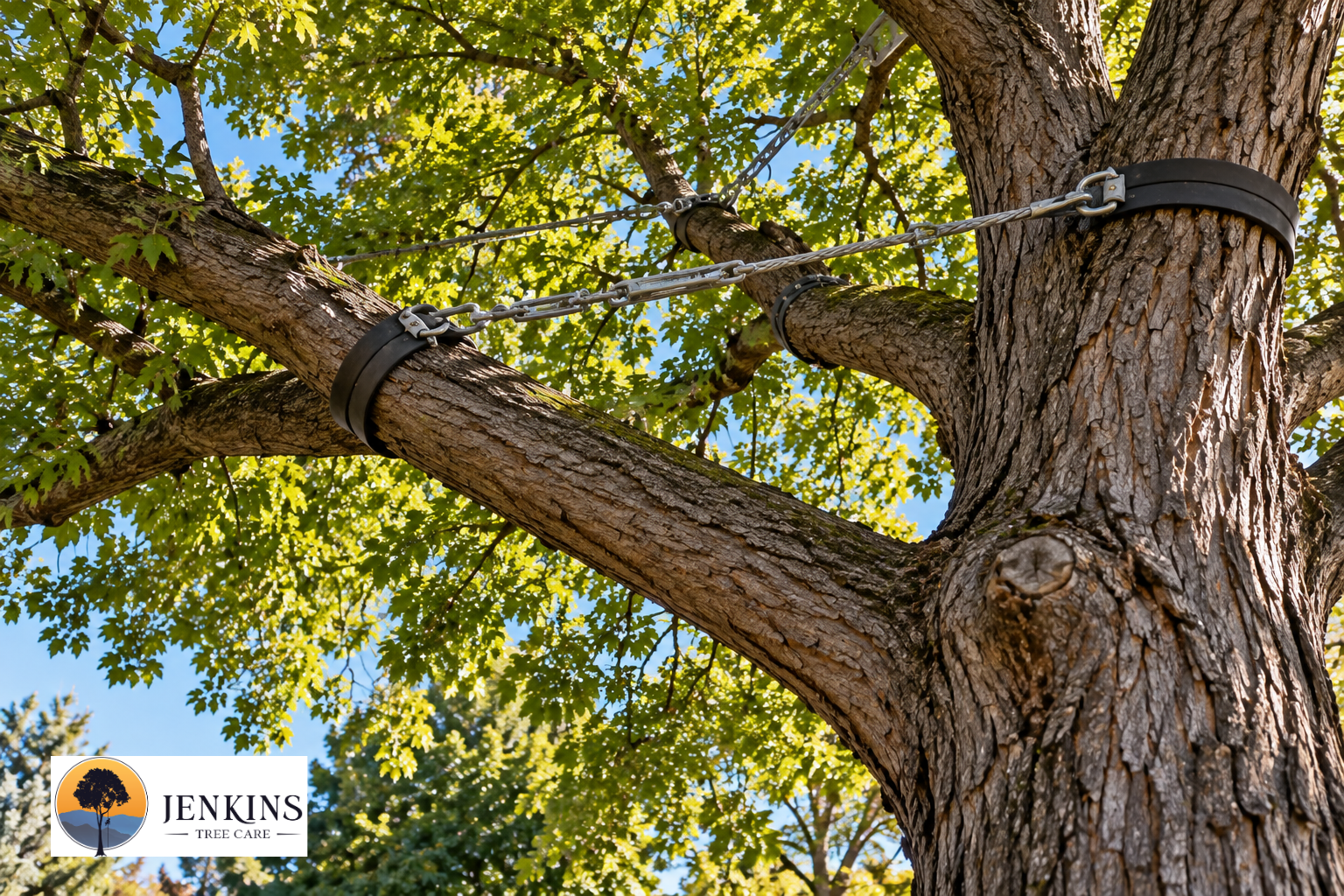
For a detailed inspection, many homeowners turn to professionals. This is especially true when the tree is near a structure or has a history of decline. Arborists might recommend options like tree cabling if a tree is worth saving.
When in doubt, call a certified arborist
Some trees can be saved with pruning or support, while others should be removed for safety. A certified arborist can explain what makes sense and help you avoid unnecessary risks. This is important because serious defects aren't always obvious.
After severe weather, any tree that's hanging, split, or uprooted should be handled carefully. If it's unsafe, emergency tree services might be the best next step to reduce risk.
What Current Trends Mean for Tree Removal Decisions
Technology is improving early detection.
In recent years, the tree service industry has gotten more proactive. Tools like drones and digital inspections help spot issues early, making it safer for crews.
Early detection can make a big difference. A tree showing signs of decline in aerial imagery can be managed before it becomes a hazard.
Dead trees still have ecological value.
Dead trees, or snags, aren't useless. They provide habitat for birds and insects. According to the Pennsylvania Game Commission, about 25% of forest wildlife in the northeastern US relies on these trees. Learn why dead trees matter to wildlife.
But not every dead tree should stay. If a tree's near a home or walkway, safety usually takes priority over habitat value.
Best practice is balanced, not automatic.
Modern tree care isn't about removing every dead tree. It's about evaluating where it is and what risk it poses. Sometimes, a dead tree can stay if it's not a threat, while other times, it needs to go.
That's why many property owners also invest in brush removal and stump grinding after a tree's gone. It keeps the area safe and tidy.
Why Asheville Properties Face Higher Tree Risk
Humid weather speeds up decay.
In humid areas, wood rot and fungi can spread fast. Moisture is what fungi need to thrive, and changing weather conditions can stress trees.
This is especially relevant in places with lots of rain and storms. Trees with cavities or root damage are more likely to fail when the weather gets severe.
Storm exposure increases emergency calls.
North Carolina weather can change quickly. High winds and lightning can lead to tree failures. This often results in a spike in emergency tree services after storms.
Routine inspections and removing hazardous trees can help reduce this risk. If you live where there are mature trees, planning is essential. For more on long-term planning, see professional tree care in Asheville.
Local properties benefit from seasonal checks.
Many of the trees that add charm also require maintenance. Oaks and maples can become hazards as they decline. Seasonal assessments help catch problems early.
Commercial properties should be especially cautious because tree failures can affect many people. Routine checks aren't just about looks; they're part of responsible property management. If you have overgrown limbs, tree trimming can help.
Best Practices Arborists Use Before Recommending Removal
Structural integrity comes first.
Arborists check the trunk, branch unions, root stability, and canopy balance. They look for hollow areas, cracks, and past failures to understand if a tree can safely stay.
Tree removal decisions shouldn't be based on appearance alone. A tree with leaves might be compromised, while a rough-looking tree could still recover.
Using the right treatment for the right tree
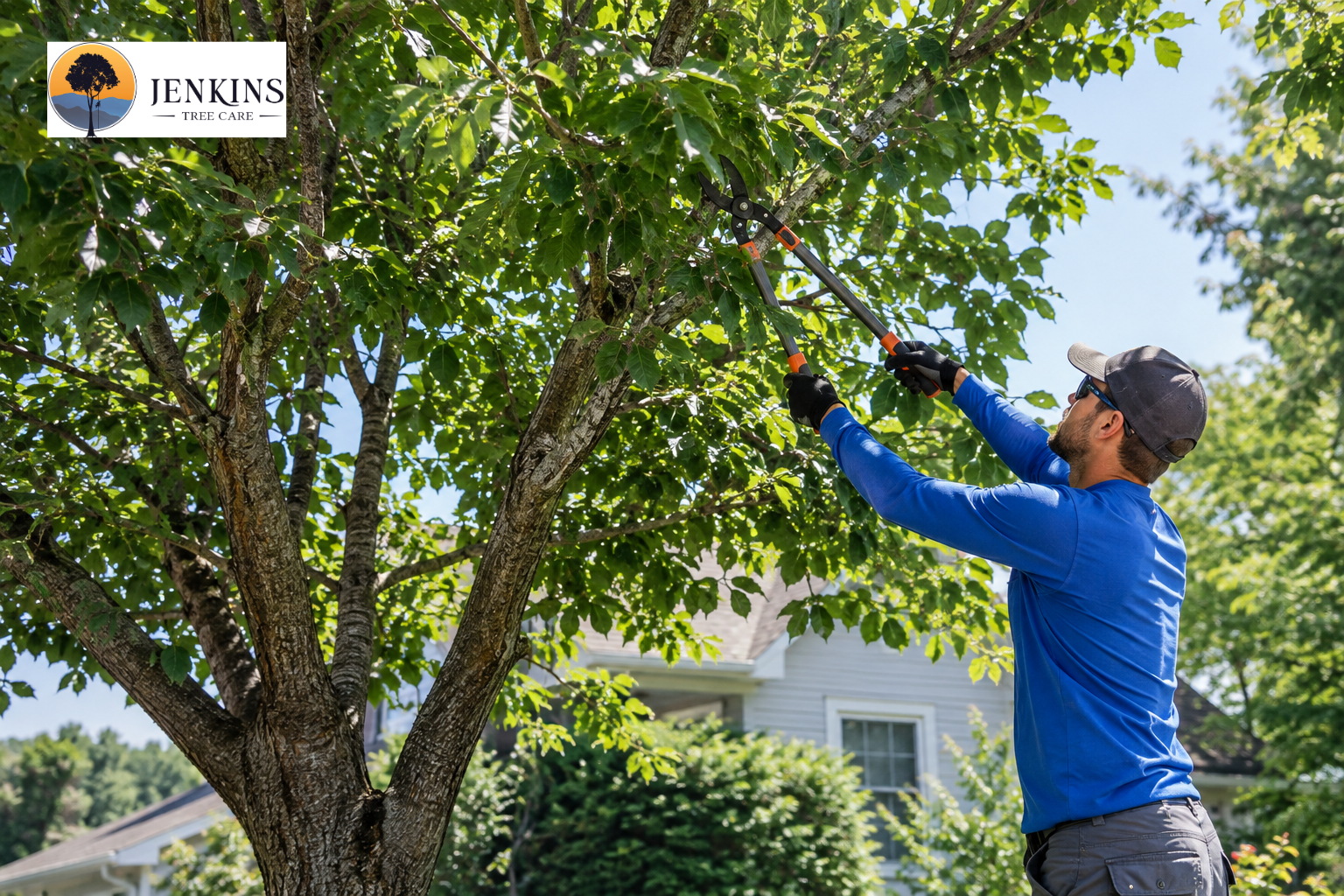
If a tree is damaged but not beyond saving, arborists might suggest pruning or cabling. In other cases, removal is the best choice.
Matching the solution to the condition is key. Professional judgment helps find the right balance.
Documentation matters for permits and planning
Some areas require permits for tree removal, especially for protected or large trees. A professional inspection helps determine if paperwork is needed.
Keep records of arborist findings and storm damage photos for future work. It helps prioritize services like pruning or tree removal on a schedule.
What a Real-World Tree Failure Can Cost
A storm-damaged oak can become a major claim.
Imagine a mature oak showing decline for years but left alone. After a storm, it falls on a roof, causing expensive repairs and headaches.
In commercial settings, a fallen tree can disrupt business and create liability concerns. Early removal would have been easier than an emergency response.
Cleanup is only part of the expense.
People often focus on removing the tree, but the real cost includes what comes after. Repairs, power line work, and debris hauling add up quickly.
Timely action usually saves money. Paying for an assessment and planned removal is cheaper than dealing with property damage.
Delay also affects neighboring property.
Tree failures don't always stay on your property. A limb can land on a neighbor's roof or damage a shared fence.
Professional tree care prevents these issues by addressing hazards early. If a tree is leaning or split, don't wait for the next storm to decide.
How to Handle Hazardous Trees the Right Way
Start with a professional inspection.
The safest step is to get an inspection with a certified arborist. They'll determine if a tree is dead or recoverable. Sometimes they'll suggest monitoring or targeted pruning.
If the tree is hazardous, plan the work carefully. This includes checking for obstacles and deciding if structures need protection. A well-planned job is safer and quicker.
Do not attempt dangerous removals yourself.
Tree removal is risky and involves climbing, rigging, and heavy materials. Even small trees can be unpredictable.
Homeowners sometimes try to save money by doing it themselves, but it's safer to let professionals handle it. They have the right equipment and skills.
Plan for cleanup and site restoration.
After removal, there's often more to do. The stump might need grinding, and debris needs clearing. Some choose follow-up trimming or brush clearing to reclaim space.
Combining removal with stump grinding and brush removal can streamline the process and keep the area tidy.
Frequently Asked Questions About Dead Tree Removal
Can a dead tree still be saved?
Sometimes, yes. If only a few limbs are dead or there's localized disease, treatment might help. But if major parts are failing, removal is safest.
Is a dead tree always a hazard?
Not always, but it becomes a concern near people or structures. A dead tree in a remote area might be okay if it's stable and not likely to fall on anything important.
How soon should I act after a storm?
Inspect the property as soon as it's safe. Look for broken limbs or leaning trees. If a tree is near power lines or unstable, call a pro. Quick action after storms prevents further damage.
What if I am unsure whether to remove it?
If you're unsure, get a professional evaluation. A certified arborist can explain whether to remove, monitor, or preserve a tree with a plan.
Why Prompt Removal Protects Your Landscape Long-Term
Healthy trees benefit from better space and resources
Removing dead or damaged trees helps the rest of your yard. Nearby trees get more light and water, and your property looks cleaner.
Tree care isn't just about removing problems. It's also about improving the overall health of your outdoor space.
Safety and aesthetics go hand in hand.
A damaged tree can make your yard look neglected. Removing it restores safety and curb appeal.
This matters for homeowners who want a welcoming outdoor space and businesses that need a clean first impression.
Professional tree care is an investment.
Working with a trusted tree service means more than just cutting down a tree. It includes informed recommendations and safe execution.
Jenkins Tree Care offers solutions to protect property and support healthier outdoor spaces. Don't wait for the next storm. Get an evaluation and act quickly for a safer landscape.
Take the Next Step Before Risk Becomes an Emergency
Dead or damaged trees should be removed quickly because delay increases the risk of injury, property damage, and higher cleanup costs. The smartest approach is to identify warning signs early, balance ecological considerations with safety, and rely on experienced professionals for the final decision. That combination protects your property and gives you peace of mind.
If you need help determining whether a tree should be removed, pruned, or supported, Jenkins Tree Care is ready to help with expert advice and dependable service. For scheduling, questions, or a professional assessment, call (828) 279-5756 or email devin@jenkinstreecare.com. You can also learn more about our services through our site and related resources, including when to trim versus remove a tree and our Asheville service area.