How Tree Care Helps Your Landscape Thrive Year After Year
Keeping your yard looking its best doesn't happen by accident. It's about taking care of your trees so they grow strong, reduce risks, and make your property beautiful all year round. When you care for your trees, they give back by providing shade, improving air quality, and adding value to your home.
Whether you're protecting mature shade trees, boosting curb appeal, or preventing storm damage, a little proactive planning can make a big difference. With some professional help from tree pruning, tree trimming, or even tree removal, you can keep your landscape healthy, safe, and resilient over time.
According to the U.S. Forest Service, trees offer lots of benefits, from cooling the neighborhood to cleaning the air. To enjoy these perks longer, keeping up with regular maintenance is key. Let's dive into how tree care helps your yard thrive and what you can do to protect your investment.
Why Tree Care Is the Foundation of a Thriving Landscape
Healthy trees support the whole yard.
Trees are usually the biggest and most influential part of your yard. They impact sunlight, soil moisture, and even the overall vibe of the place. When trees are healthy, everything else—grass, shrubs, and flower beds—tends to do better because the yard works as one big system instead of a bunch of separate parts.
Good tree care can stop small problems before they become big ones. A tree with dead branches can be a hazard, while one with crowded branches might not grow evenly. Services like tree pruning and tree cabling can fix these issues early, often preventing more costly work down the road.
Neglected trees can lead to hidden risks.
If trees are ignored too long, small problems can turn into expensive repairs. Things like weak branch unions, pests, and root stress aren't always obvious right away. By the time you notice, the tree might already be in trouble or even be a safety risk.
The National Park Service highlights that trees show stress in measurable ways, and you shouldn't overlook those signs. A careful inspection and timely maintenance can help catch trouble before a storm or seasonal change makes things worse.
How Regular Pruning Improves Long-Term Tree Health
Pruning encourages better structure.
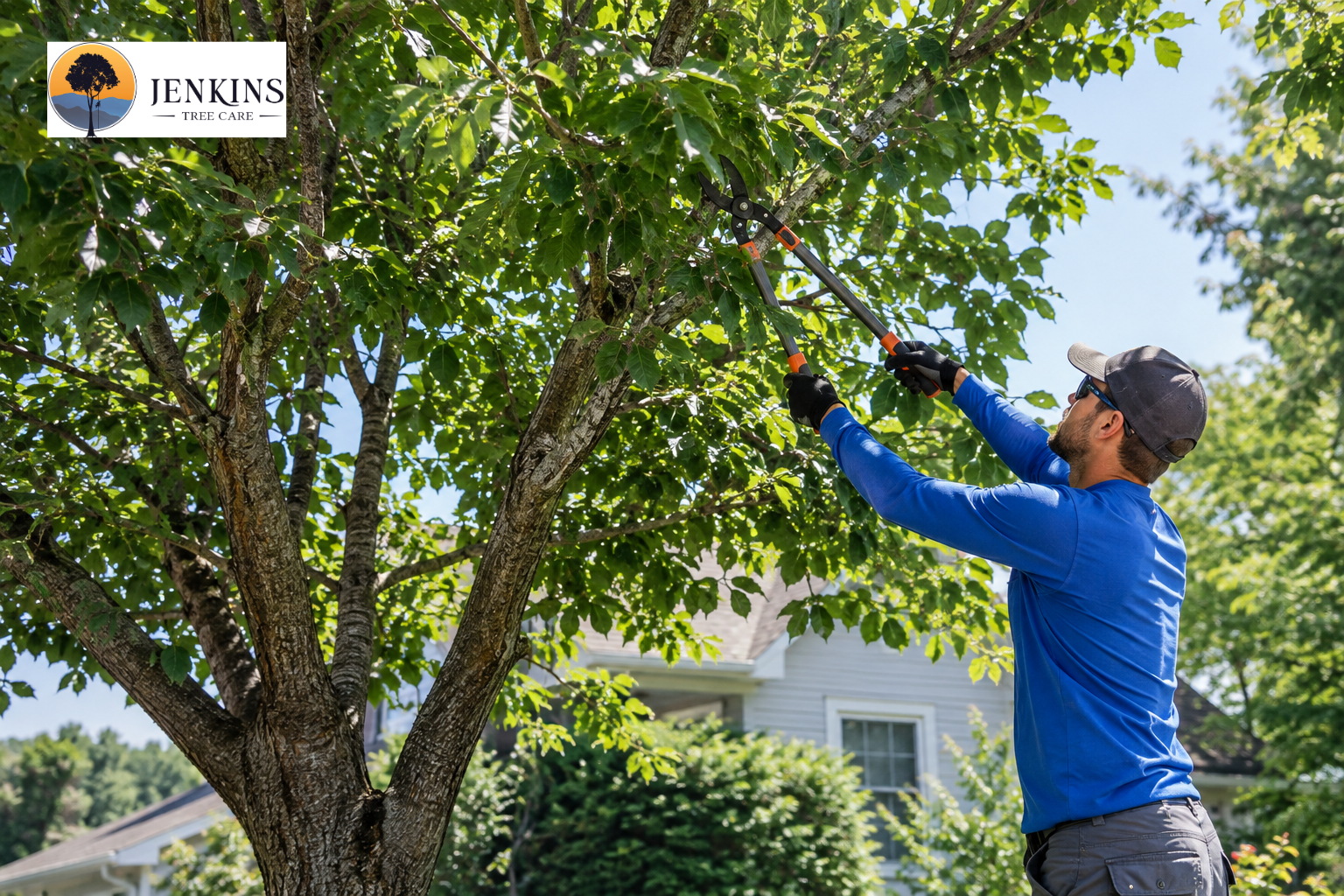
One big perk of tree care is that it helps improve structure. Proper pruning gets rid of weak or crossing branches so the tree can focus on healthy growth. This is especially crucial for young trees that are still building a framework that will support them for years.
Good timing on pruning also helps trees have a more balanced shape. A balanced canopy is less likely to break in strong winds and often looks better from the street. Homeowners who invest in tree pruning usually notice both health and appearance improvements after just one growing season.
Pruning reduces disease pressure.
Dead or damaged limbs can let in fungi, insects, and other pests. By removing bad tissue, pruning helps limit the spread of disease and gives the tree a better chance to heal. This preventive care is crucial for trees stressed by drought, poor soil, or bad planting conditions.
The Penn State Extension says the right pruning technique is essential because poor cuts can create new wounds or weaken the tree further. That's why professional care is so valuable: it combines timing, technique, and species-specific knowledge for better results.
Trimming Keeps Growth Safe, Clean, and Manageable
Tree trimming improves clearance and usability.
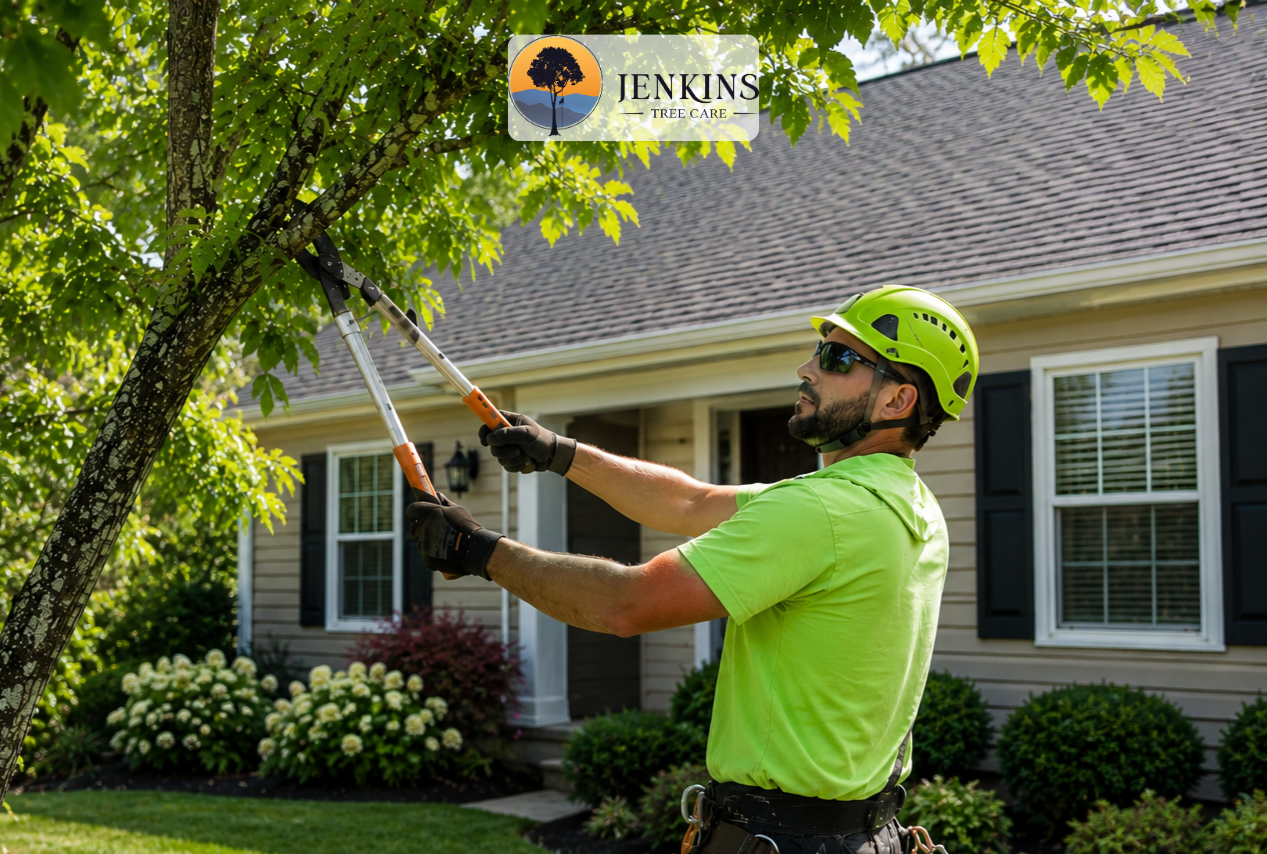
As trees grow, branches naturally extend into areas you don't want them, like roofs, walkways, driveways, fences, or utility lines. Overgrowth can create safety issues and affect how comfortable and usable your yard feels. Regular maintenance keeps trees in proportion with the rest of the yard.
If you're after a cleaner look and safer clearance, tree trimming is an easy way to improve daily use of your yard. It can make outdoor spaces easier to enjoy, reduce the chance of branch breakage, and help sunlight reach lawns and garden beds.
Trimming protects against storm damage.
In areas with heavy rain, wind, or ice, overextended limbs are more vulnerable to failing. Trimming reduces weight on weak branches and removes sections likely to snap during storms. This kind of preventive work can save you from emergency cleanup after a storm.
Keeping trees healthy isn't just a local issue; it's a bigger safety concern recognized by places like Ready.gov. Healthy trees still need care to stay strong, and routine trimming is one of the best ways to lower storm-related risks.
When Tree Removal Becomes the Best Choice
Some trees can't be saved.
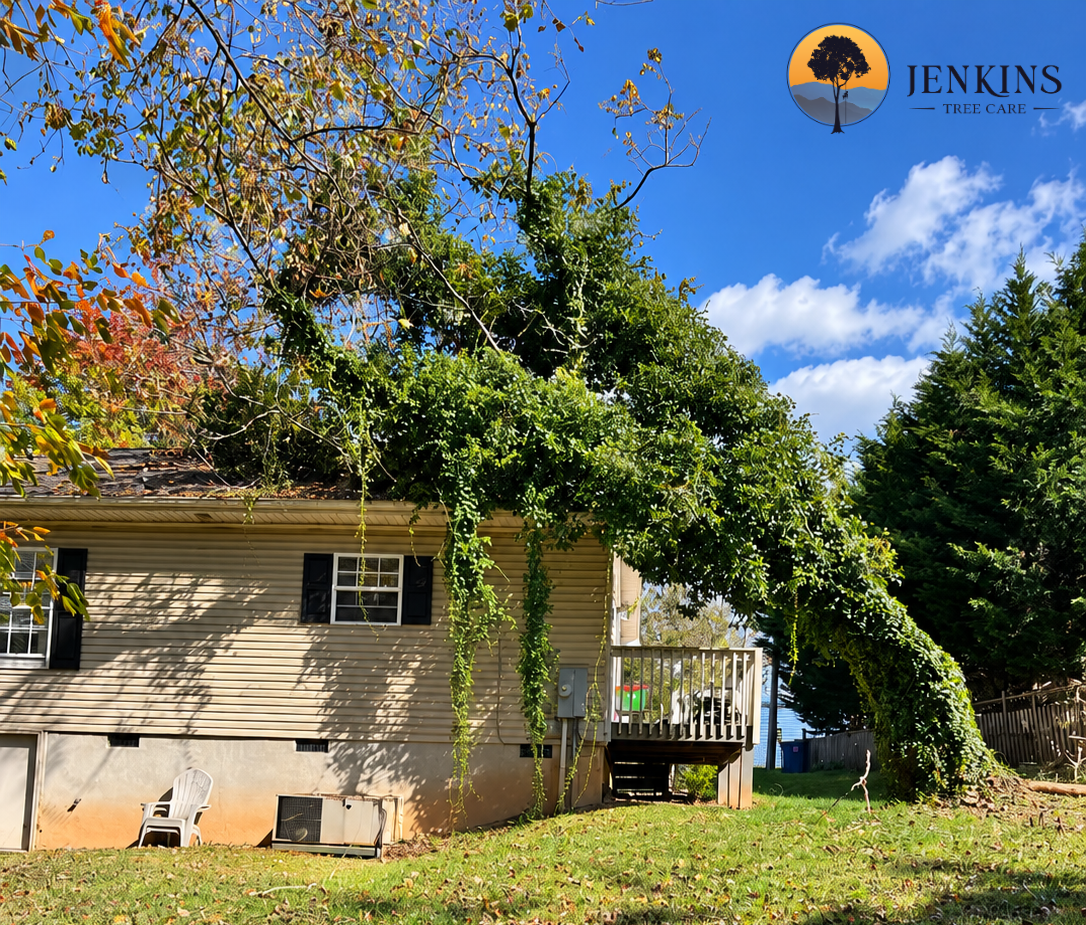
Not every tree can be rescued. If a tree is severely decayed, dangerously leaning, split at the trunk, or too sick to recover, removal might be the safest option. While it's not usually the first choice, removing a tree can protect the rest of your yard from damage or disease.
A professional assessment can tell you if a tree should be monitored, treated, pruned, cabled, or removed. If removal is the answer, tree removal should be handled carefully so nearby plants, hardscapes, and structures are protected during the process.
Removal can open the door to new growth.
Taking down a tree might feel like a loss, but it can also create new opportunities. Clearing out a failing tree can improve sunlight, reduce root competition, and make room for healthier plants. Sometimes, the best way to improve your yard's long-term health is to remove a problem tree and replace it with a better-suited species.
Homeowners who pair removal with a broader yard plan often see the best results. That might include stump grinding, soil improvement, and choosing replacement trees that match the site's drainage, sunlight, and space.
Support Systems Like Cabling and Soil Care Extend Tree Longevity
Cabling preserves valuable trees.
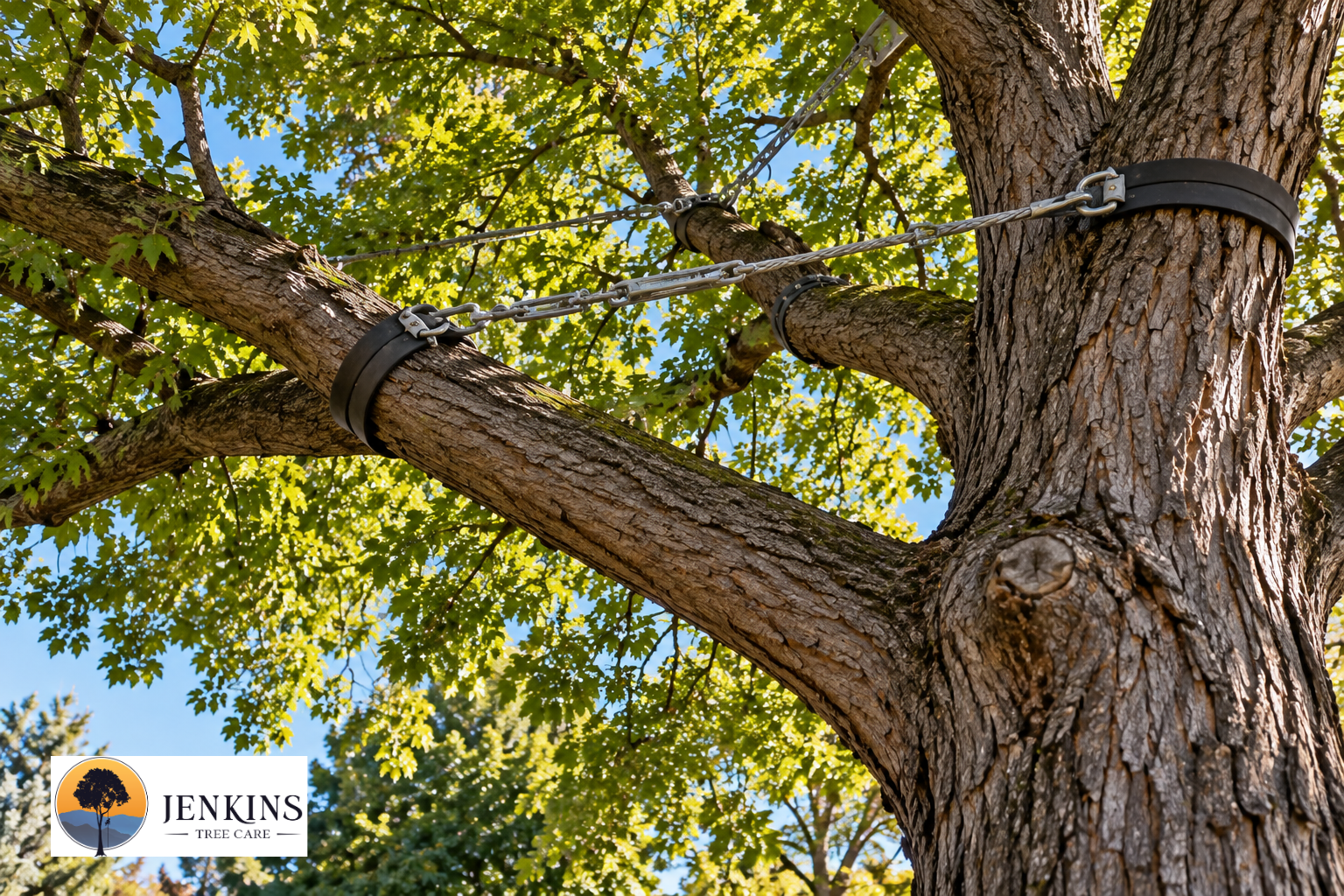
Some trees have structural weaknesses but are still valuable to your property. In those cases, cabling can support split trunks or heavy limbs that might otherwise fail. This technique can save a tree that would otherwise be lost.
When used right, tree cabling helps redistribute stress and improve stability without removing the tree. It's especially useful for older specimens, trees with historical value, or large shade trees that would be hard to replace.
Soil and root health matter as much as the canopy
A tree's health starts underground. Compacted soil, poor drainage, root damage, and construction activities can limit the tree's ability to absorb water and nutrients. Even a tree with a full canopy might struggle if its root zone is under pressure.
Healthy trees need room to breathe. Reducing heavy traffic around the root area, improving mulch practices, and avoiding unnecessary digging can support stronger growth over time. In many yards, the best results come from combining canopy care with root-zone protection.
Seasonal Tree Care Makes Maintenance More Effective
Spring is the season for assessment and recovery.
Spring is a great time to check trees for winter damage, deadwood, or signs of stress. New leaf growth makes it easier to spot branches that didn't bud, and it's often easier to identify areas where pruning could help with shape or safety. It's also a good time to plan before the summer storm season.
Homeowners who use spring for planning can make better decisions before small concerns become urgent. This is a good moment to combine tree pruning with a review of the yard as a whole, especially if trees are shading plants that need more sun.
Summer requires monitoring and water awareness.
During hot months, trees may show signs of drought stress, sunscald, or insect pressure. A yard that looks fine from a distance might still be stressed, especially if rain has been inconsistent. Regular observation helps you catch curling leaves, thinning foliage, or early color changes before damage becomes severe.
The Arbor Day Foundation highlights that tree health depends on consistent care and environmental conditions, not just occasional intervention. Mulching correctly, watering deeply during dry spells, and avoiding trunk damage are all practical steps that support long-term vitality.
Fall and winter are ideal for structural work.
Once leaves drop, it's easier to evaluate branch structure and identify weak points. Dormant-season care often makes pruning more efficient because the canopy is less crowded and the tree isn't actively growing leaves. This can make winter an excellent time for structural maintenance.
Fall is also a good time to prepare trees for winter weather by removing deadwood and addressing hazardous limbs. If a tree isn't stable enough to carry through the colder months, a timely decision about tree removal can help prevent emergencies later.
How Professional Tree Service Protects Property Value
Well-maintained trees boost curb appeal.
Healthy, evenly shaped trees make your property look well cared for. They frame your home, soften hard edges, and create a more inviting first impression. Buyers and visitors notice when a yard is neat, balanced, and well-maintained, even if they can't explain exactly why it feels more appealing.
That visual advantage can be significant when you're considering resale value or just want to enjoy a more polished yard. If branches are overgrown or a tree looks unhealthy, tree trimming and pruning can restore the yard's appearance without major redesign.
Proper tree care helps avoid expensive damage.
Fallen limbs, root upheaval, and decayed trunks can damage roofs, siding, walkways, vehicles, and nearby plants. Preventive tree service is often far less expensive than dealing with the aftermath of a failure. In many cases, a routine visit can uncover risks that would otherwise remain hidden until an emergency occurs.
For homeowners wanting a broader view of how healthy yards support value, it can be helpful to revisit related guidance like how healthy trees enhance property value and curb appeal. A thriving tree canopy does more than decorate a yard; it can influence the entire experience of the property.
What a Smart Tree Care Plan Looks Like
Start with inspection and prioritization.
A good tree care plan starts with observation. Walk around your property seasonally and look for dead limbs, cracked trunks, fungus growth, leaning stems, or roots lifting soil and hardscapes. Documenting these concerns makes it easier to prioritize which trees need immediate help and which ones can be monitored over time.
In many cases, a professional assessment can reveal that one tree needs pruning, another needs cabling, and a third needs removal. That kind of tailored approach is more efficient than treating every tree the same way.
Build maintenance into the year, not just emergencies
Tree care works best when it's scheduled instead of rushed. A yearly or seasonal plan helps you budget more effectively and prevents the yard from slipping into reactive maintenance. It also reduces the stress of waiting until something looks visibly wrong.
For properties with lots of trees, a mix of pruning, trimming, stump grinding, and brush removal can keep the outdoor space more manageable. This layered approach keeps the yard safer and easier to enjoy throughout the year.
Match service to tree condition
Not every tree needs the same solution. A healthy tree with a few weak branches may only need trimming, while a valuable older tree with a split union may benefit from cabling. A dead tree, however, often needs removal to protect the property and neighboring plants.
Choosing the right service at the right time helps avoid unnecessary work and protects the long-term health of your yard. It's also one of the clearest ways to keep maintenance costs under control while still making real progress.
Common Tree Care Mistakes Homeowners Should Avoid
Over-pruning weakens trees
One common mistake is removing too much canopy at once. Heavy pruning can stress the tree, reduce its ability to photosynthesize, and encourage weak regrowth. Proper cuts should improve structure without stripping away more foliage than necessary.
This is why informed, selective care matters. A trained crew understands how much to remove and where to make cuts, so the tree responds positively rather than defensively.
Ignoring the stump and debris leaves problems behind
After a tree comes down, some homeowners focus only on the visible trunk and forget what's left behind. Stumps can become trip hazards, interfere with mowing, and attract pests. Brush piles can also make the yard harder to maintain and reduce usable space.
Adding stump grinding and brush removal to the plan creates a cleaner finish and helps the yard recover faster. These finishing steps are often overlooked, but they make a big difference in the final result.
Waiting too long to act increases cost and risk.
The longer a damaged tree is left alone, the more likely it is to fail or spread disease to nearby plants. Homeowners sometimes delay because the tree still looks green, but internal decay can progress quietly for months or years. Acting early is usually safer, cheaper, and less disruptive.
If you're unsure whether a tree is still worth saving, reviewing signs you need to remove a tree to keep your property safe can help you think through the warning signs. When in doubt, a professional opinion is the best next step.
Frequently Asked Questions About Year-Round Tree Care
How often should trees be inspected?
Most properties benefit from at least one full inspection per year, though high-value, mature, or storm-exposed trees may need more frequent attention. Seasonal walkthroughs can help identify changes early, especially after major weather events.
Is pruning always better than removal?
Not always. Pruning is ideal when the tree is healthy enough to recover, and the problem is limited to structure, safety clearance, or deadwood. Removal becomes the better choice when the tree is dying, severely damaged, or too unstable to preserve safely.
Can tree care really improve the whole landscape?
Yes. Trees influence sunlight, airflow, moisture, and visual balance. When they are maintained properly, the surrounding lawn, garden beds, and hardscape areas usually function better too.
What should I do after a tree is removed?
After removal, the site should usually be evaluated for stump grinding, debris cleanup, and possible replanting. This helps the landscape recover visually and keeps the area safe and usable.
Build a Landscape That Lasts
Tree care is not just about keeping branches neat. It is about protecting the living structure that supports the rest of your landscape year after year. When trees are pruned well, trimmed on time, supported when needed, and removed when they become unsafe, the entire property becomes healthier and easier to manage.
Jenkins Tree Care helps homeowners take that long view with services designed to improve safety, strengthen tree health, and create better outdoor spaces. If you are ready to protect your landscape and keep it thriving season after season, explore our tree pruning, tree cabling, and tree removal options, or review our brush removal and stump grinding services to complete the job.
For expert guidance and a plan tailored to your trees, contact Jenkins Tree Care today at (828) 279-5756 or email devin@jenkinstreecare.com. A well-cared-for landscape does not just survive the seasons; it grows stronger with every year of smart maintenance.