When's the Best Time to Trim Trees in Asheville, NC? Your Go-To Guide
Ever looked at your trees and wondered if it's time to give them a trim? You're not alone. Tree trimming isn't just about looks; it's about keeping your trees healthy and safe. Timing matters as much as technique. Here, we’ll cover the best times to trim, how different trees respond, and when it's a good idea to call a pro for tree trimming or tree pruning.
For homeowners, trimming isn’t just about a neat look. The right cuts at the right time can prevent storm damage, promote healthy growth, and avoid costly property issues. In Asheville, where weather can change quickly and landscapes grow vigorously, timing your tree care is crucial. According to the Woodland Trust, the timing of pruning affects how a tree heals and grows, making planning important.
Quick Answer: When Should You Trim Trees?
Late winter is often your best bet.
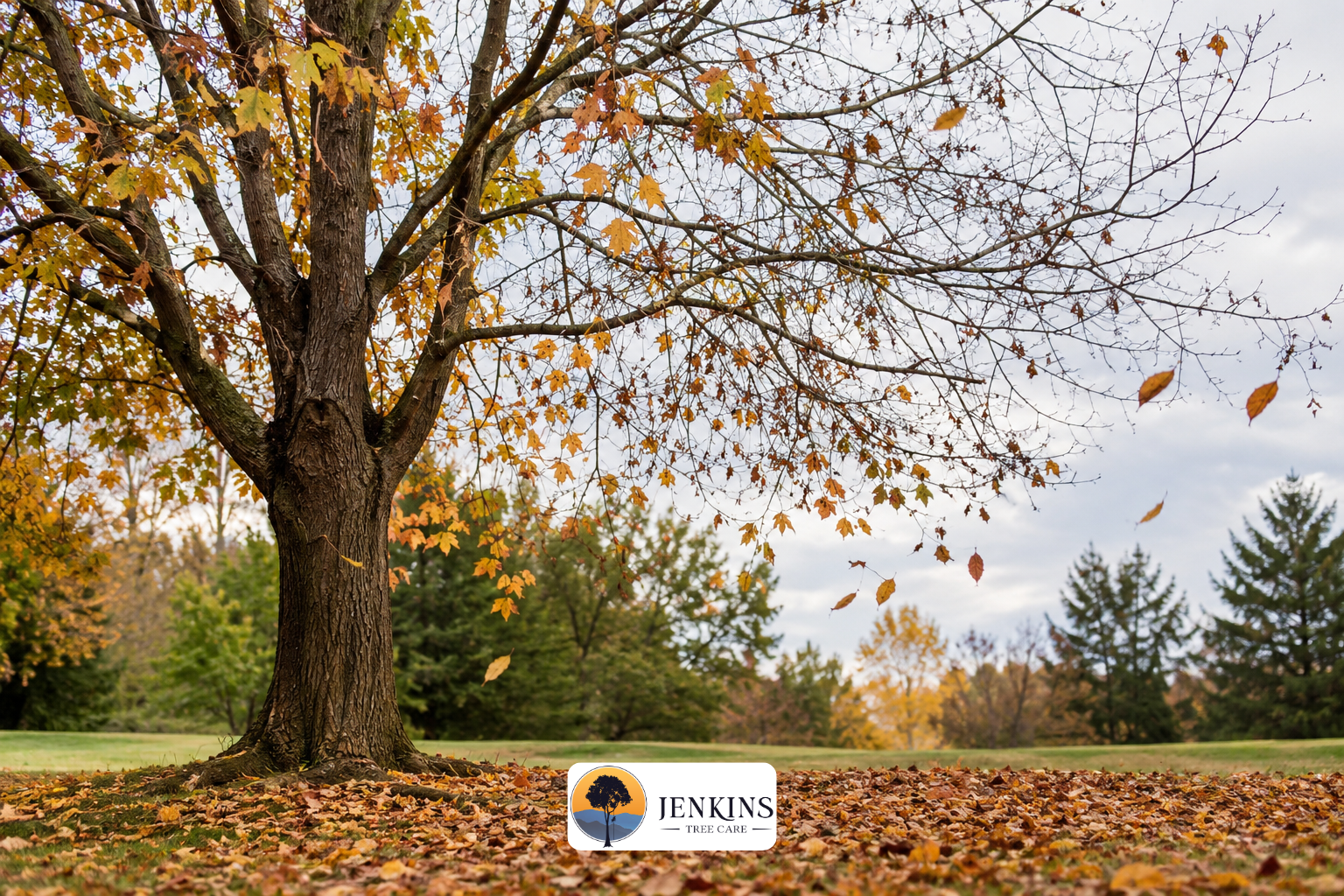
For many deciduous trees, late winter is the perfect time to trim. The trees are dormant, without leaves, making it easier to see their structure. This makes planning cuts simpler and less stressful for the tree.
Trimming in late winter also gives the tree time to heal before the growing season starts. If you’re unsure about your tree species, late winter is usually a safe choice.
But some trees have unique needs.
Not every tree follows the same schedule. Flowering trees, fruit trees, and some sensitive species might need pruning after they bloom or during a specific part of the dormant season. Some trees also have sap-flow concerns that make early spring less ideal. Basically, the best time depends on the species, the tree’s health, and why you’re trimming.
This is why getting a professional opinion can be helpful. A trained crew can look at branch structure, disease risks, and storm vulnerability to suggest the best approach. If your yard needs a cleanup after trimming, brush removal can make the whole job quicker and easier.
Why Timing Matters for Tree Health
Dormant-season pruning helps structure.
When trees are dormant, you can easily spot weak unions, crossing branches, and deadwood. Pruning now is often a good idea because the tree isn’t pushing leaves, flowers, or fruit. That means less stress and a better chance of directing growth in spring where it’s needed most.
Pruning during dormancy can also reduce future failures. Trees shaped early tend to have stronger branches, which helps during wind and ice storms. For those looking to protect their yard long-term, this is a valuable advantage.
Trimming at the wrong time can be risky.
Trimming during active growth isn’t always harmful, but poor timing can cause issues. Heavy cuts during hot, dry weather can stress bark and leaves. Some species are also vulnerable if trimmed during heavy sap flow or pest activity. The National Park Service notes that both technique and timing affect recovery and long-term shape.
In simple terms, a rushed summer trim might solve a short-term problem but create a bigger one. If a limb is dangerous, address it immediately. Non-urgent shaping work is best scheduled carefully. This balance between urgency and biology makes professional advice valuable.
Best Seasons for Trimming Different Tree Types
Deciduous shade trees
Maples, oaks, elms, and similar trees are often best trimmed in late winter. Their bare structure reveals problem limbs, and dormant pruning encourages healthy spring growth. This is usually the best time for those wanting safer branches and cleaner canopies without hindering growth.
Not all species are the same, though. Some trees may be sensitive to heavy pruning or may sprout rapidly after cuts. A careful plan should focus on removing dead or crossing limbs first, then shaping as needed. This approach helps preserve natural form while solving immediate issues.
Flowering ornamentals
Ornamentals that bloom in spring often do best when pruned after flowering. Trimming too early can cut off buds and reduce blooms for the season. Once blooms fade, you can shape the canopy, remove dead branches, and improve air movement without sacrificing flowers.
For summer-blooming ornamentals, late winter or early spring might work, depending on the species. Knowing if flowers form on old or new wood is key. If you’re unsure, an arborist can advise whether to trim now or wait.
Evergreens and conifers
Evergreens are different since they keep foliage year-round. Light shaping is usually done in late winter or early spring, but heavy cuts are avoided unless needed. Many conifers don’t regenerate from bare wood as well as deciduous trees, so trimming should be cautious.
Evergreens can also be pruned for clearance, deadwood removal, or to fix imbalance after weather damage. If you have pines or hollies pressing too close to structures, careful reduction can improve safety without changing the tree’s character. For serious concerns, tree cabling might help preserve trees with weak limbs or split trunks.
What Asheville’s Climate Means for Tree Trimming
Seasonal weather affects timing.
North Carolina’s weather brings wet springs, strong summer growth, hurricane-season storms, and winter ice. This means tree care should consider local weather patterns. A branch that seems fine in April could become a hazard after a summer storm, so proactive maintenance is often smarter.
Rain, heat, and wind affect how trees recover after cuts. During hot or dry periods, newly exposed tissue can struggle more than in mild dormant weather. Many owners prefer to plan trimming before stressful weather hits, reducing emergency calls and boosting landscape health.
Storm prep is part of smart timing.
Tree trimming isn’t just about looks or growth; it’s also about cutting storm risk. Trees with long limbs, dead branches, or crowded crowns are more likely to break in high winds. A well-timed trim before storm season can balance the canopy and cut failure chances.
If a tree shows severe weakness, trimming might not be enough. In these cases, consider whether removal is the right choice. Our tree removal service handles dead, hazardous, or unwanted trees that pose real risks to homes, driveways, and people.
How to Tell If Your Tree Needs Trimming Now
Look for safety concerns first.
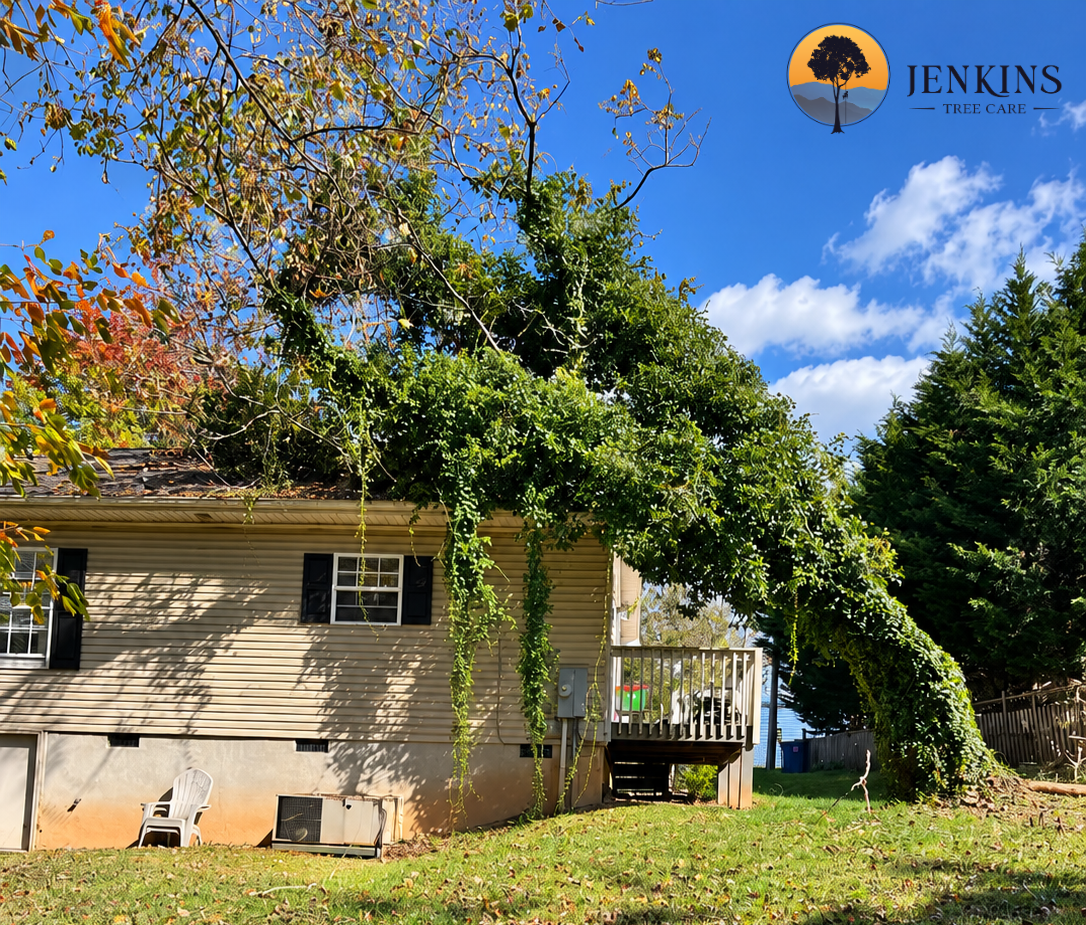
The best time of year matters, but safety comes first. If branches touch your roof, hang over walkways, or interfere with power lines, tackle the issue promptly. These aren’t just cosmetic problems; they’re hazards that can lead to damage or injury if ignored.
Dead limbs, cracked branches, and heavy leaning also need immediate attention. If the tree risks failing, waiting for the perfect season may not be wise. In these cases, the question shifts from “when is ideal?” to “what is safest right now?”
Watch for signs of poor structure.
Some trees need trimming because their structure isn’t developing well, not because they’re visibly damaged. Crossing branches, tight crotches, and dense interior growth can weaken the canopy over time. Early corrective pruning guides growth in a healthier direction and often prevents bigger problems later.
This is especially important for younger trees. Developmental pruning during the right season can establish a stronger form that pays off for decades. For more tips, check out our tree care tips guide to help build a consistent maintenance routine.
When Tree Trimming Can Wait
Cosmetic shaping is often flexible.
Not every tree needs immediate attention. If you’re just improving appearance, shaping a canopy, or thinning light growth, you can often wait for a better seasonal window. Seasonal planning lets you combine multiple tasks in one visit.
Waiting can also protect wildlife and reduce disruption during active nesting or bloom periods. A thoughtful schedule can balance property goals with environmental responsibility. For those who care about tree health, patience is often part of the best strategy.
Minor deadwood removal is often low risk.
Small, isolated dead branches can sometimes be handled during a convenient window if they aren’t an urgent hazard. But deadwood still deserves attention as it can signal stress, disease, or structural decline. The more dead material you see, the more important it is to have the tree inspected thoroughly.
If pruning reveals pest damage or disease symptoms, the plan may need to change. Sometimes pruning solves the issue; other times, a broader care strategy is needed. This is why many owners choose professional help instead of guessing based on appearance alone.
Professional Trimming vs. DIY Trimming
Why experience matters
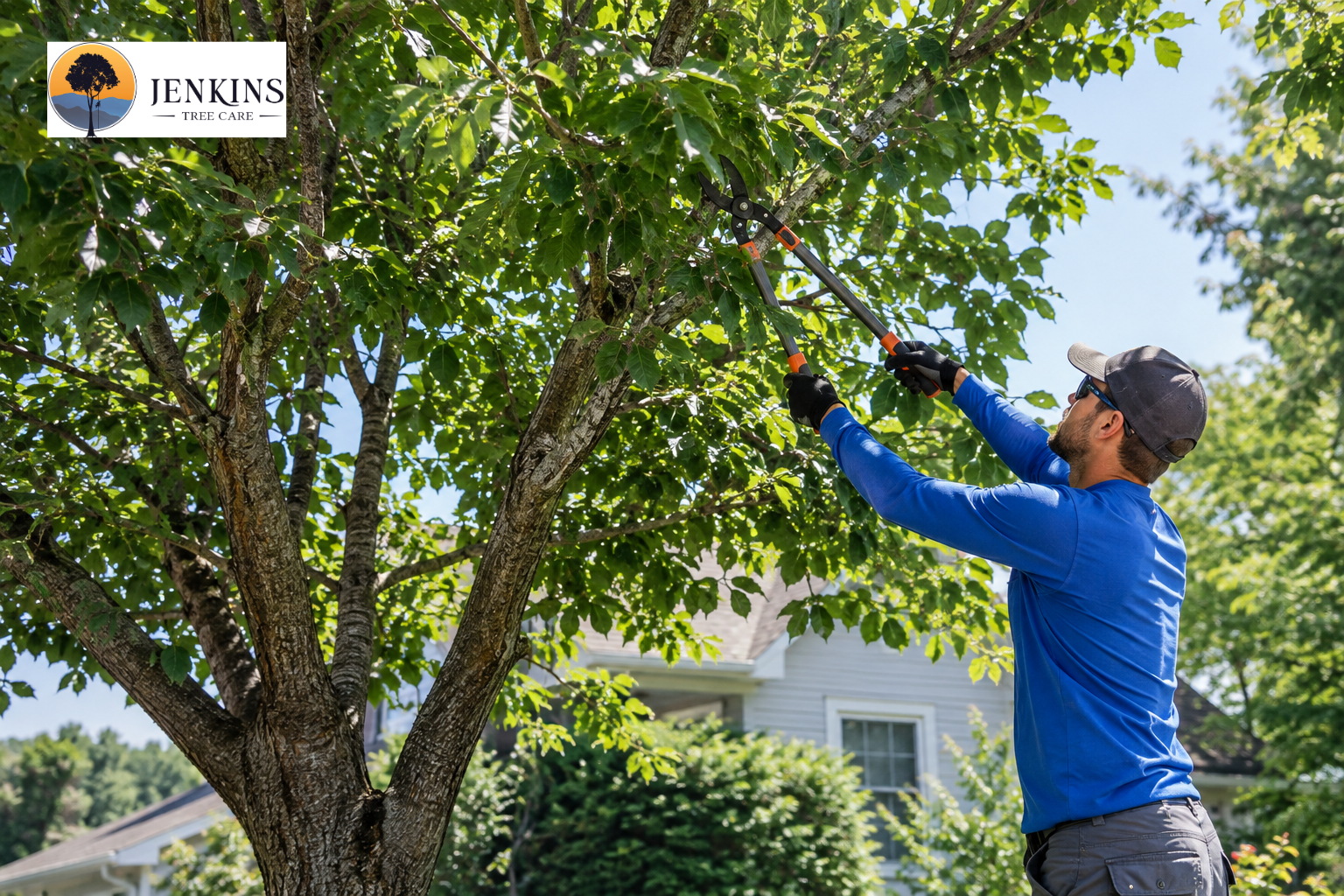
DIY trimming can be tempting for small branches, but it’s risky as height, weight, and complexity increase. A bad cut can weaken the tree, invite decay, or create awkward regrowth. It can also put the person trimming at risk, especially near ladders, tools, and uneven ground.
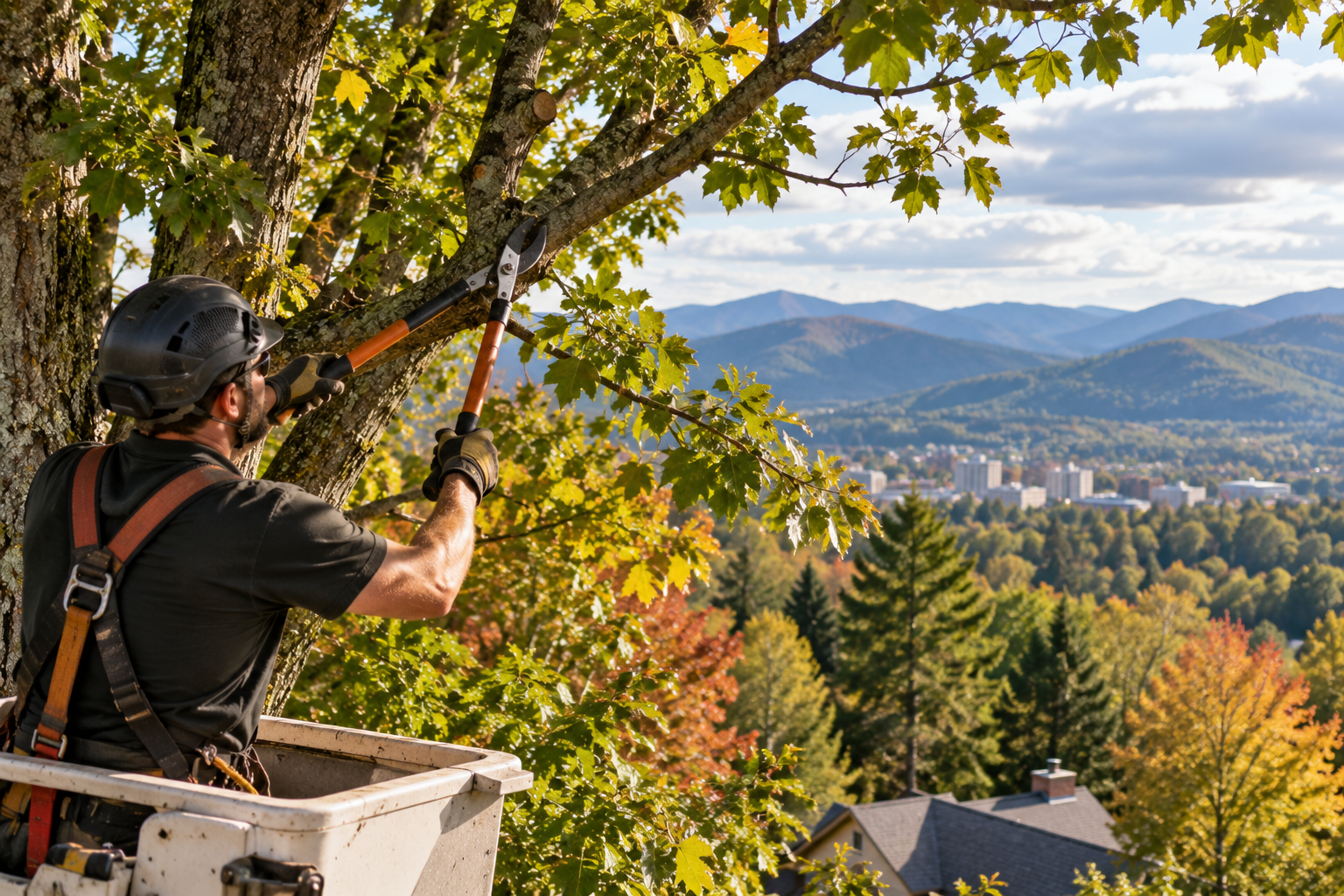
Professionals bring more than equipment. They understand branch collars, wound response, species-specific growth habits, and how to reduce stress on the tree. They also know how to trim with long-term structure in mind, not just short-term looks. This difference can save money and prevent avoidable damage later.
Equipment and cleanup make a difference.
Large pruning jobs create debris that can clutter a yard quickly. When a tree sheds limbs, brush, and smaller cuttings, cleanup becomes part of the project. A professional crew can handle the trim and the aftermath efficiently, which is especially helpful when you have multiple trees or limited time.
Cleanup is also safer when handled correctly. Stacked limbs, sawdust, and uneven debris can create hazards after the work is done. For properties that need a full refresh, pairing trimming with stump grinding or brush cleanup can leave the landscape much more usable right away.
Common Mistakes Homeowners Make
Trimming too much at once
One of the biggest mistakes is removing too much canopy in a single visit. Over-pruning can stress the tree, reduce its ability to photosynthesize, and trigger excessive regrowth. Instead of improving the tree, severe cuts can leave it weaker and more vulnerable to future problems.
A good rule is to focus on targeted cuts that solve a specific issue. Remove dead, damaged, or conflicting limbs first, then evaluate whether any shaping is still needed. This measured approach usually produces better results than aggressive, one-time cutting.
Using the wrong season for the wrong species
Another common mistake is assuming all trees should be pruned on the same calendar schedule. Species matter, and so does the reason for trimming. Flowering trees, fruit trees, and evergreens all respond differently, which is why generic advice only goes so far.
If you are not sure which category your tree falls into, it is worth asking before cutting. A quick consultation can prevent a season’s worth of lost blooms or unnecessary stress. For an overview of what to look for, see our article on when to trim vs. remove a tree.
Best Practices for Planning Tree Work
Start with an inspection.
The smartest tree care plans begin with a close look at tree health, structure, and placement. A tree that leans toward a house, has dead limbs, or crowds utility lines deserves a different response than a healthy shade tree that simply needs light shaping. Inspection helps determine whether trimming, cabling, or removal is the best option.
If you are doing regular maintenance, it helps to inspect trees at least once a year and after major storms. Look for cracks, fungus, hollow areas, exposed roots, and sudden changes in leaf density. Those clues often point to issues before a layperson would notice them from the ground.
Plan around goals, not just seasons.
The best time to trim is not only about the calendar; it is also about your goals. Do you want to improve safety, clear roof lines, restore shape, increase sunlight, or preserve a favorite mature tree? Each goal may suggest a slightly different timing and level of pruning.
For example, if your priority is storm preparation, earlier seasonal work may make sense. If your priority is flowering, you may need to wait until after bloom. If your priority is tree preservation, lighter cuts and support systems may be the best route. The Arbor Day Foundation offers helpful general guidance on pruning timing and tree response that supports this kind of planning.
Frequently Asked Questions About Tree Trimming Timing
Is winter always the best time to trim?
Winter is often the best general choice for many deciduous trees, but it is not universal. Species, age, health, and flowering schedule all matter. Some trees do best with late-winter work, while others should be trimmed right after flowering or only when safety requires it.
If you are looking for the simplest answer, winter is a strong default. If you want the best answer, the tree itself should guide the decision. That is where professional assessment becomes especially useful.
Can I trim trees in summer?
Yes, but usually for specific reasons. Summer trimming is often used for light cleanup, hazard reduction, or correcting urgent issues. It is not always the ideal season for major structural pruning, especially if the tree is already stressed by heat or drought.
If summer work is necessary, keep cuts strategic and limited. Avoid heavy canopy reduction unless there is a real safety concern. In many cases, a focused summer touch-up can be followed by more complete dormant-season work later.
What if my tree is damaged by a storm?
Storm damage should be addressed as soon as it is safe to do so. Broken branches, split trunks, and hanging limbs can worsen quickly and should not be left in place. The right response may be trimming, cabling, or removal depending on the extent of the damage.
After a storm, it is smart to have a professional evaluate the tree before deciding what happens next. Some trees recover well, while others are compromised beyond repair. If the damage is severe, our tree pruning and removal options can help you choose the safest path forward.
Why Homeowners Choose Professional Help
Better results and fewer surprises
Professional tree trimming is about more than making a yard look tidy. It is about preserving tree health, reducing risk, and making informed decisions that fit the season. A trained crew can see things a homeowner may miss, such as hidden cracks, poor branching angles, or signs of decay inside the canopy.
That added perspective often leads to better long-term results. Instead of reacting to problems one by one, homeowners can build a maintenance plan that protects both their trees and their property. For many people, that peace of mind is worth just as much as the improved appearance.
A local company understands regional conditions.
Local knowledge matters because tree care is shaped by weather, soil, species, and property layout. A team that works in this region regularly understands when weather patterns tend to shift, which trees are most common, and how to plan trimming around seasonal growth. That experience can help avoid unnecessary stress on your landscape.
Jenkins Tree Care provides professional help for homeowners who want a safer, cleaner, and healthier yard without guesswork. Whether you need preventive maintenance, a seasonal trim, or help with a more complicated tree issue, scheduling the work at the right time can make a big difference in the outcome.
Conclusion: The Best Time to Trim Trees Is the Time That Fits the Tree
For many trees, late winter is the best time of year to trim because the tree is dormant, the structure is visible, and the risk of stress is often lower. But the ideal schedule depends on species, growth stage, storm risk, and your specific goals. That is why the best approach is not simply following a calendar; it is matching the timing to the tree’s needs.
If you are unsure whether to trim now or wait, start with safety, then think about long-term health and structure. For hazardous limbs, act quickly. For routine maintenance, plan and choose the season that supports the best outcome. If you need expert help, Jenkins Tree Care can help you decide whether tree trimming, cabling, pruning, or removal is the right next step.
Ready to schedule a professional assessment? Contact Jenkins Tree Care at (828) 279-5756 or email devin@jenkinstreecare.com to discuss the best timing for your trees and your property.