Is Overgrown Brush Taking Over Your Property? Here’s Why It’s Worth Clearing It Out
Overgrown brush can sneakily transform your property’s look and feel. What starts as a small patch of fast-growing weeds and tangled undergrowth can quickly become a nuisance, blocking access, hiding hazards, and complicating routine upkeep. If you’ve been putting off this task, now’s a good time to see why clearing brush is more than just a cosmetic fix. It boosts safety, encourages healthier landscapes, and saves you time and money later on.
Many homeowners think brush is only an issue if it grows near the house, but that’s not true. Dense growth can pose a fire risk, attract pests, hide drainage problems, and make it tough to spot damage to trees or structures. That’s why services like brush removal and preventive care make sense before the problem gets out of hand. In North Carolina, especially in wooded or sloped areas, keeping an eye on overgrowth can protect both your property and the folks who use it.
According to the U.S. government’s wildfire preparedness guide, cutting back flammable vegetation around homes is a practical step to lower fire danger. Even if you’re not in a high-risk wildfire zone, the same goes for thick brush near fences, outbuildings, and tree lines. Removing it improves visibility, airflow, and control over your land.
Why Overgrown Brush Becomes a Bigger Problem Than It Looks
It spreads faster than you’d expect
Brush tends to grow in layers. Once the first patch is established, it creates a sheltered space where more weeds, vines, and debris gather. Before you know it, what looked manageable can become thick enough to hide limbs, roots, and unsafe ground conditions. If you wait too long, cleanup might shift from a simple task to a more involved restoration project.
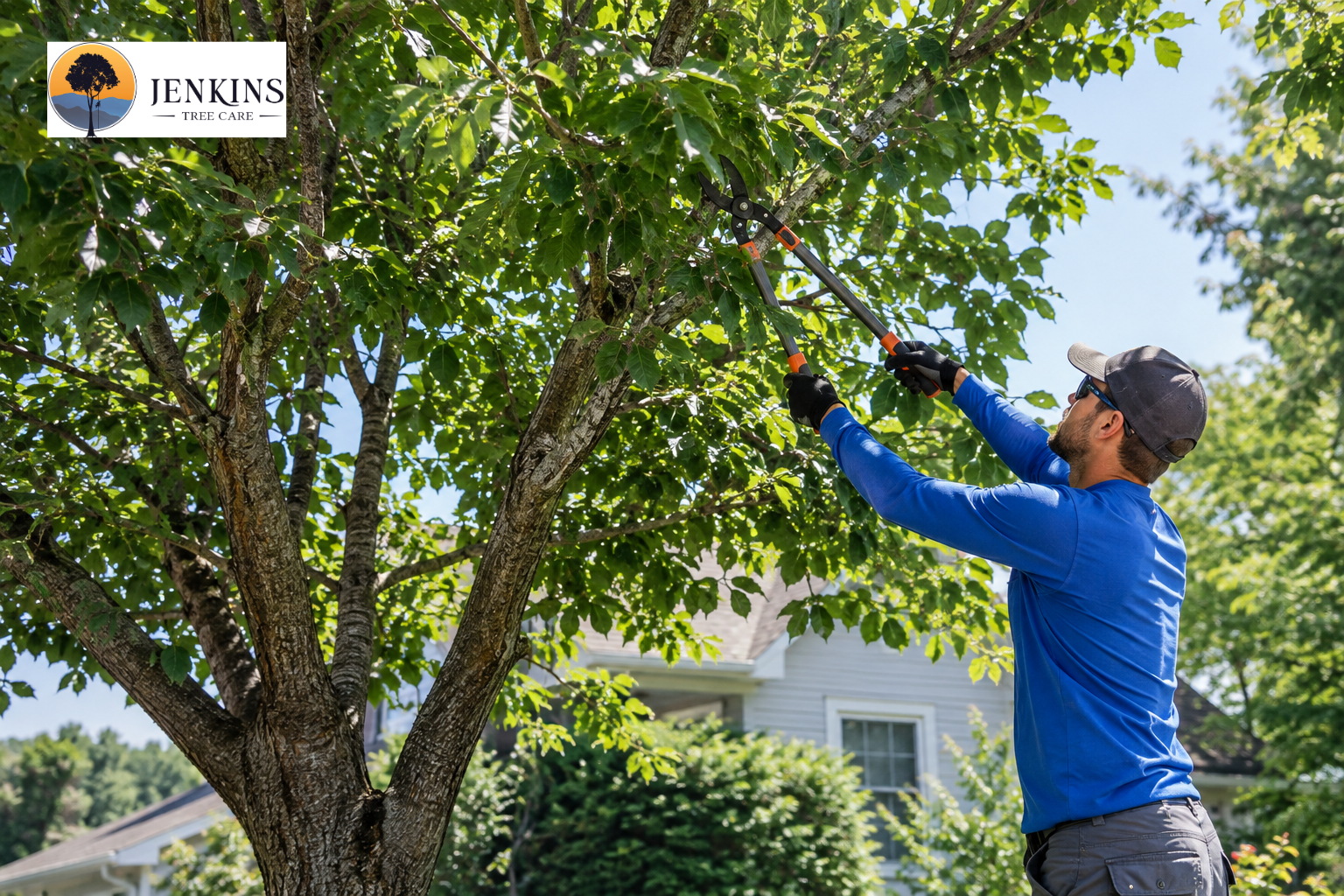
Consistent care is key. When brush expands unchecked, it can creep toward patios, driveways, and tree trunks, making future maintenance harder. This growth can also interfere with services like tree trimming or tree pruning, as workers need clear access to safely assess the health and structure of nearby trees.
Brush can hide structural and landscape issues.
Dense overgrowth often masks problems until they become costly. Cracked walkways, standing water, damaged fences, or unhealthy tree roots can all stay hidden beneath brush. Delayed visibility matters because many issues worsen when left unattended. What you can’t see may still be causing damage underneath.
Brush also makes it harder to spot animal nests, insect activity, or dead wood that could fall during storms. Professional arborists often recommend clearing areas before serious pruning or removal work begins, as visibility is crucial for safe planning. If a tree is already struggling, combining brush clearing with tree removal might be the best way to reduce risk and restore usable space.
The Safety Benefits of Brush Clearing
Better footing, fewer trip hazards, and clearer access
Uneven ground becomes harder to manage when covered by brush. Small dips, exposed roots, hidden branches, and loose stones can cause slips and trips, especially around side yards, back paths, and utility areas. Clearing brush improves visibility, making it easier to walk, mow, and maintain the property without guessing where it’s safe to step.
This is especially important if children, older adults, or guests regularly use the yard. A clean, open space reduces the chance of accidents and makes it easier for service crews to move equipment safely. If your property is already crowded with debris and overgrowth, pairing cleanup with stump grinding can remove hard obstacles and make the yard more usable right away.
Lower fire risk through reduced fuel load
Dry brush is fuel. When branches, weeds, leaves, and dead material pile up, they create a path that can carry fire quickly. While many focus on the trees, the fuel between structures is just as important. Clearing brush is practical prevention, not just a maintenance preference.
Fire authorities advise reducing combustible material around buildings and access points. Check out the National Fire Protection Association for more on defensible space and vegetation management. Even if your property isn’t in a wildfire-prone area, keeping brush in check helps reduce ignition risk around sheds, garages, fences, and wood piles.
How Brush Affects the Health of Trees and Plants
Competition for water, light, and nutrients
Overgrown brush doesn’t just look messy; it competes with desirable plants for resources. Thick growth can shade young trees, crowd root zones, and soak up moisture before it reaches the plants you want to protect. In dry spells, this competition is significant, especially for new plantings that need time to establish.
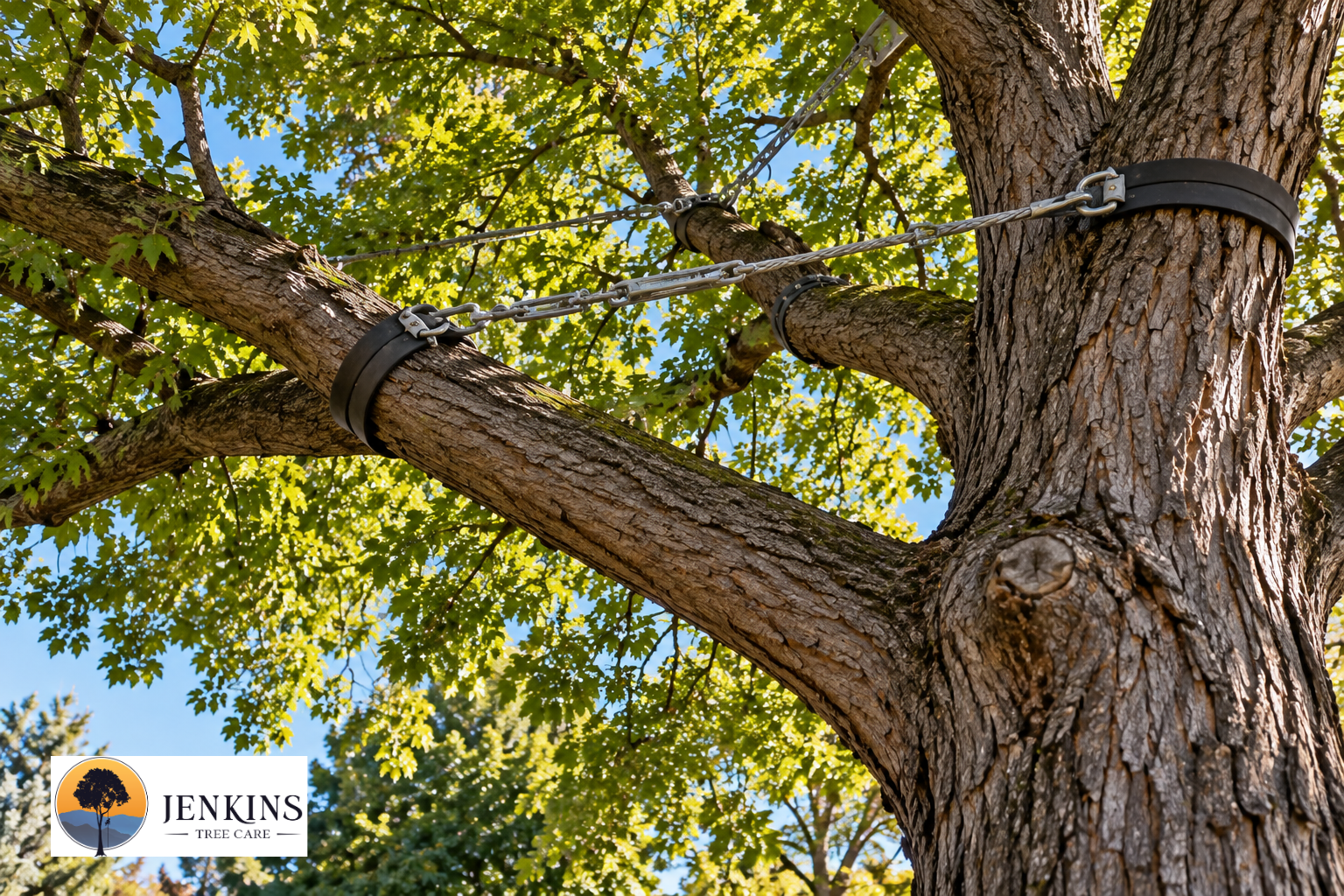
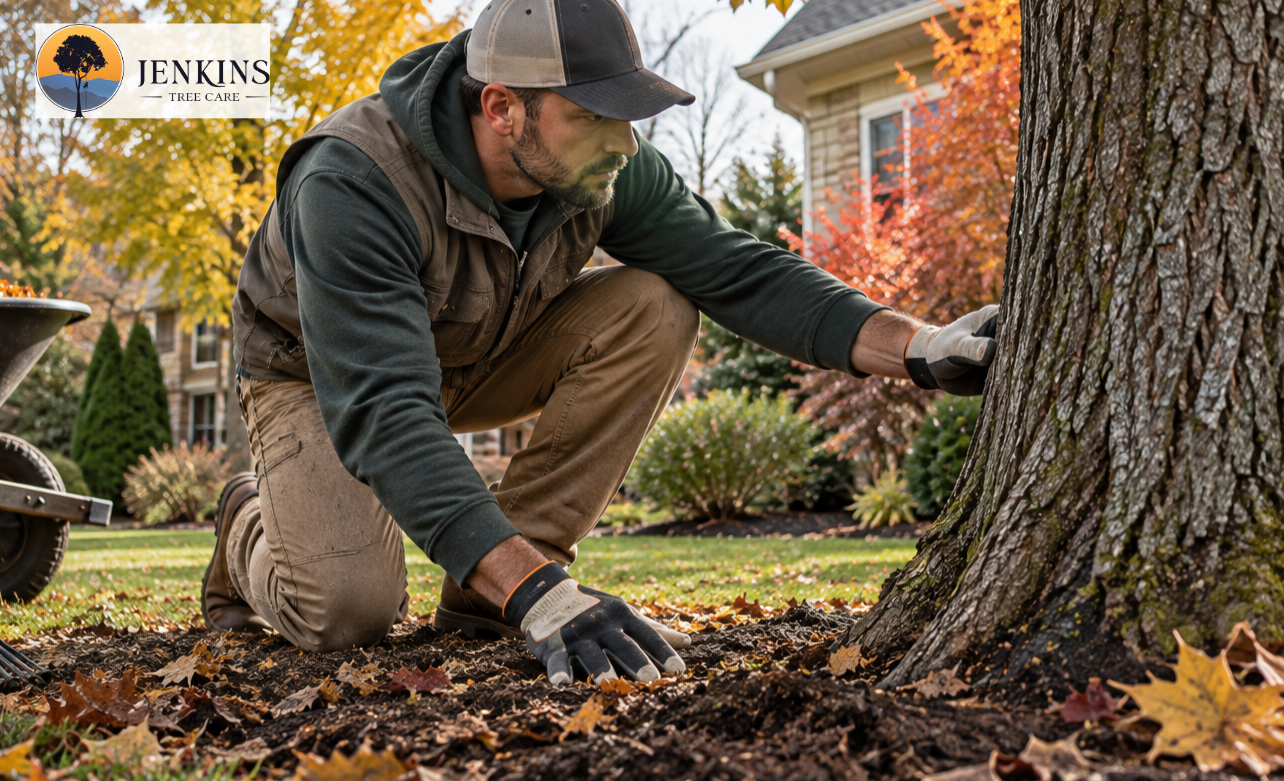
Healthy tree care depends on room to breathe. Clearing brush around a tree’s base helps prevent moisture retention against the trunk, allows better airflow, and makes it easier to spot disease or decay. When trees show stress, a coordinated approach including tree cabling or pruning might help preserve valuable trees instead of losing them to neglect or crowding.
Pest and disease pressure increase in dense growth
Brush creates shade, humidity, and shelter, attracting pests that thrive in hidden environments. Ticks, rodents, termites, and some invasive insects prefer dense cover for protection and access to food. The longer the brush remains, the more likely it is to su unwanted activity near your home.
The Centers for Disease Control and Prevention suggests reducing overgrown vegetation to lower tick exposure around homes and yards. This matters for families who spend time outside, garden, or let pets roam. Brush clearing can be part of a broader strategy for healthier and more comfortable outdoor spaces.
When Brush Clearing Improves Property Value and Curb Appeal
First impressions matter to buyers and neighbors
A property covered in thick brush can look neglected, even if the home is in good shape. Buyers and appraisers notice exterior condition quickly, and a chaotic yard can suggest other maintenance tasks are delayed. Clearing brush helps the property feel intentional, cared for, and ready to use.
This visual improvement matters whether you plan to sell soon or just want to enjoy your outdoor space more. Clean lines, open edges, and visible landscaping features make a yard feel larger and more welcoming. If your goal is to boost curb appeal, pairing brush cleanup with tree trimming can create a balanced and polished look.
Open space creates usable outdoor areas.
One of the biggest perks of brush clearing is reclaiming space you forgot you had. Areas that seemed unusable can become spots for fire pits, play areas, garden beds, walking paths, or storage access. Instead of working around overgrowth, you can use the land to support your lifestyle.
This reclaimed space is especially valuable on larger properties or wooded lots, where brush tends to spread. Clearing it also makes routine tasks easier, from property inspections to fence repairs. If brush has left behind debris or downed limbs, professional brush removal can turn a tangled section into a workable outdoor area faster than manual clearing alone.
What Professional Brush Clearing Usually Includes
Assessment, cutting, hauling, and cleanup
A quality brush-clearing job is more than just cutting what you see. It usually starts with a property assessment to spot safety concerns, hidden obstacles, drainage issues, and nearby trees that need protection. Then, a crew decides if the area needs light clearing, aggressive cutting, or a mix of brush removal and tree work.
The work may include cutting back overgrowth, removing fallen material, hauling away debris, and leaving the area cleaner for future maintenance. Depending on the site, a service provider might also recommend pruning nearby limbs, grinding stumps, or improving access paths. This holistic approach often saves time compared to piecemeal cleanup because it addresses the root of the problem, not just the visible symptoms.
Why equipment and technique matter
Brush clearing can be tricky. Thick stems, hidden roots, tangled vines, and uneven terrain make the job more complicated than it looks from the yard’s edge. Using the wrong equipment can damage desirable trees, disturb soil stability, or leave dangerous debris behind. That’s why experienced crews use tools and methods suited to the property.
Professional work is safer because it considers slope, footing, and nearby structures. If brush has grown around mature trees, the crew may recommend selective tree pruning to open the canopy and make ground-level cleanup more effective. This coordination helps protect your landscape investment and long-term property health.
Signs It Is Time to Clear the Brush
You can no longer see the ground in key areas
If you can’t clearly see the ground in parts of your yard, it’s a strong sign brush has gone too far. Hidden ground conditions can create tripping hazards, conceal pests, and make routine maintenance frustrating. You should also pay attention if brush is blocking access to fences, utility boxes, drainage areas, or tree bases.
Another warning sign is when yard work becomes tougher due to tangled growth. If you avoid certain areas because they’re too thick to manage safely, the problem isn’t just cosmetic anymore. At that stage, professional help can restore order before brush affects surrounding features.
Branches, vines, and debris keep returning
Some properties seem to attract brush buildup due to shade, moisture, or neglected edges near woods. If you clear one area only to see it return quickly, the site may need a more thorough reset. This often happens where vines, saplings, or old stumps encourage regrowth from below the surface.
In such cases, a one-time cleanup may not be enough. A broader plan that includes stump handling, targeted trimming, and long-term maintenance can reduce the chance of the problem returning. For ongoing care, check out tree care tips for year-round maintenance, explaining how small, steady upkeep helps prevent larger problems later.
DIY Brush Clearing vs. Hiring a Professional
When DIY makes sense
Small patches of light brush can sometimes be handled by a homeowner with basic tools, protective gear, and enough time. If the area is flat, accessible, and free of hidden hazards, a hands-on cleanup may suffice for minor maintenance. For some, periodic trimming and debris pickup are manageable between professional visits.
Even so, DIY work should stay within your comfort zone. The moment you face thick roots, unstable slopes, thorny vines, or brush near trees and structures, the risk grows quickly. It’s important to know when a job isn’t just yard work anymore and needs expert attention.
When it’s smarter to call a crew
Hiring a professional is the better choice when the brush is dense, widespread, or linked to other landscape problems. Large-scale clearing typically requires efficient equipment, better debris handling, and an understanding of what to cut and what to preserve. Professionals can also spot signs of disease, decay, or structural weakness that may not be obvious to an untrained eye.
This is where a full-service company can be helpful. Jenkins Tree Care offers tree and brush services designed to improve safety, appearance, and long-term health. For properties where overgrowth ties into larger tree concerns, combining brush clearing with tree removal or cabling may provide a more complete solution than a simple cleanup alone.
How Brush Clearing Supports Long-Term Property Maintenance
It makes seasonal upkeep easier
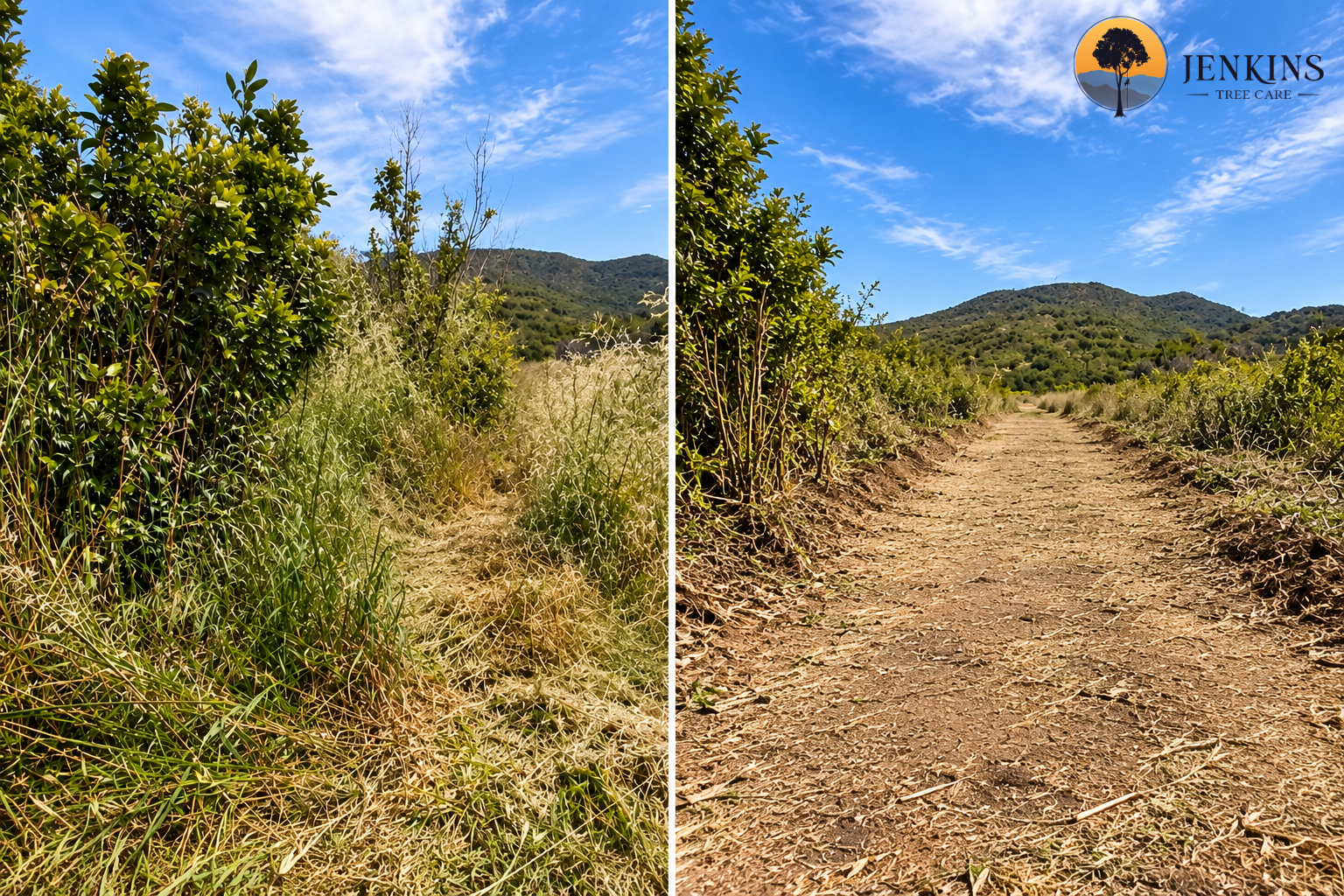
Once the brush is gone, every other outdoor task becomes easier. You can inspect gutters, fencing, tree trunks, and drainage areas without fighting through clutter. Seasonal yard work becomes quicker, and it’s easier to notice changes in plant health or storm damage early enough to respond effectively.
That increased visibility is especially helpful in areas with frequent storms or heavy leaf drop. If you already have a plan for trimming, pruning, and cleanup, brush removal becomes part of a larger maintenance rhythm rather than a stressful emergency. Homeowners who stay ahead of overgrowth often spend less over time because they avoid more serious repairs and property restoration later.
It helps create a healthier landscape system
Landscape health depends on balance. Trees, shrubs, grass, soil, and drainage all affect one another. When brush starts dominating an area, that balance shifts, and the property becomes harder to manage. Clearing brush restores space for better airflow, more even light distribution, and more predictable growth patterns.
For many properties, brush clearing works best when paired with selective pruning, stump grinding, and ongoing tree care. If you’re trying to build a more manageable outdoor space, it may help to read about long-term tree maintenance strategies that support both safety and curb appeal. A coordinated approach creates better results than isolated fixes.
Frequently Asked Questions About Brush Clearing
How often should brush be cleared?
There’s no single schedule for every property because growth rate depends on shade, moisture, soil conditions, and nearby vegetation. Many properties benefit from an annual or seasonal review, especially if they border woods or slopes. If you notice fast regrowth, the site may need more frequent attention to stay under control.
The best time to address brush is before it becomes tangled with tree limbs or buried beneath leaves and debris. Early action keeps costs and labor lower. If you’re unsure how often your property needs attention, a professional inspection can help you set a realistic maintenance schedule.
Does brush clearing damage the environment?
Not when done thoughtfully. In fact, selective clearing can improve the health of desirable plants by removing competition, reducing pest shelter, and improving access for rain and airflow. Responsible clearing focuses on removing problem growth while protecting stable trees, soil structure, and natural drainage patterns.
Eco-friendly work often includes proper debris hauling, avoiding unnecessary soil disturbance, and preserving trees that can be saved through pruning or support measures. If you want a cleaner property without sacrificing sustainability, working with a team that values careful methods makes a big difference.
Conclusion: Why Clearing Overgrown Brush Is Worth It
Overgrown brush is easy to ignore at first, but it rarely stays a small issue. It can create safety hazards, increase fire risk, hide property damage, and make your landscape harder to manage. Clearing it out restores visibility, improves access, and helps protect the trees, structures, and outdoor spaces you already own. Often, it’s one of the simplest ways to make a property safer and more enjoyable.
If your yard is overrun with brush, the smart move is to address it before it spreads further. Whether you need basic cleanup or a bigger plan that includes pruning, removal, or stump work, Jenkins Tree Care can help you make the property manageable again. To learn more about your options, explore our brush removal and stump grinding services, then contact our team for a clear, practical plan that fits your property goals. You can also review our terms of service and privacy policy if you’re ready to move forward with confidence.